Telling a ‘human story’ at the Mütter | Morning Newsletter
🥕 And SNAP recipients face ongoing uncertainty.
The Morning Newsletter
Start your day with the Philly news you need and the stories you want all in one easy-to-read newsletter
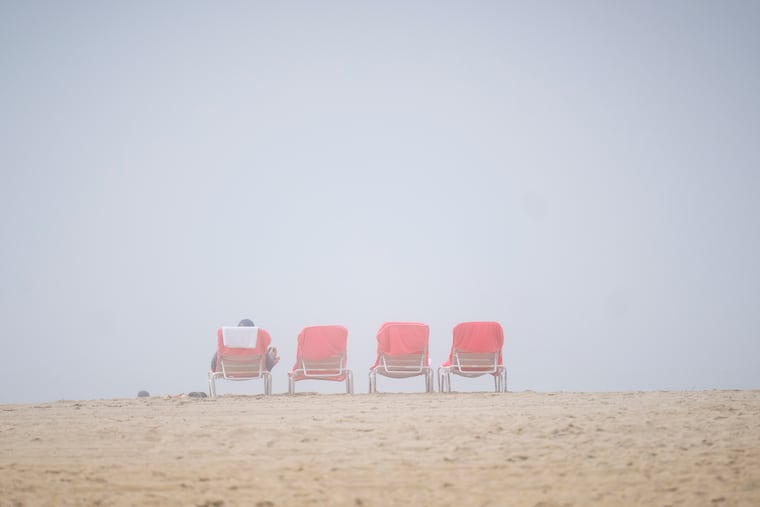
It’s Friday, Philly, and one that will likely see clouds as the day progresses.
The Mütter Museum holds nearly 6,500 anatomical specimens. Amid ongoing ethical debates, it’s seeking to tell the stories of the people whose remains are on display.
And even as the government shutdown ends, Supplemental Nutrition Assistance Program recipients across the city wonder if a longtime safety net can still be relied on. We spoke with six Philadelphians about how they’re navigating ongoing uncertainty after the freeze.
— Julie Zeglen (morningnewsletter@inquirer.com)
P.S. Friday means trivia. Our latest news quiz includes questions on Hip Hop’s return, a Revolutionary-era auction item, and more.
If someone forwarded you this email, sign up for free here.
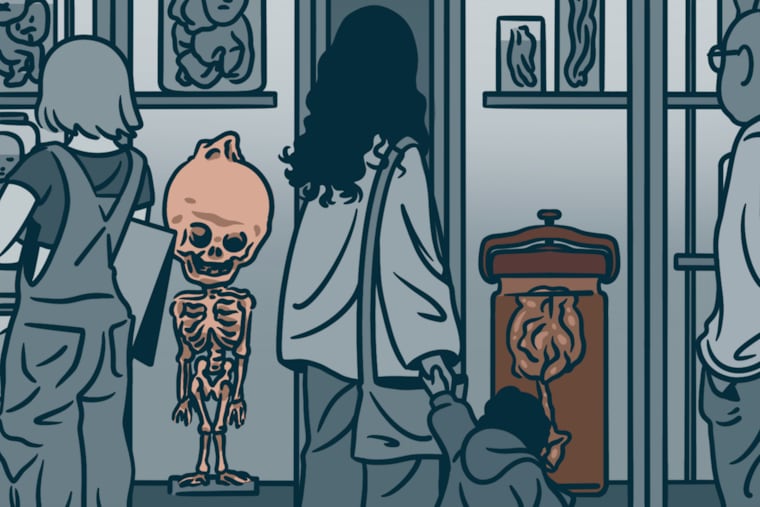
The Mütter Museum, Center City’s 162-year-old medical history museum, is known for its vast collection of skeletons, organs, and other human remains. In recent years, it has also been scrutinized for how it acquired many of those remains, and how they are presented to the public.
The museum this year adopted a new display policy, with an aim to acknowledge the individual whose remains are on view, instead of focusing only on the specimen and the medical condition it represents.
For this visual explainer of the museum’s work, The Inquirer followed the very different paths of how two 19th-century Philadelphians’ remains came to be held by the Mütter:
Thomas Jeff Jr. was a Black child who had hydrocephalus, a condition that causes the head to swell due to a buildup of excess fluid in the brain.
Mary L. Caley was a white Quaker minister who after her death was found to have an exceptionally enlarged kidney.
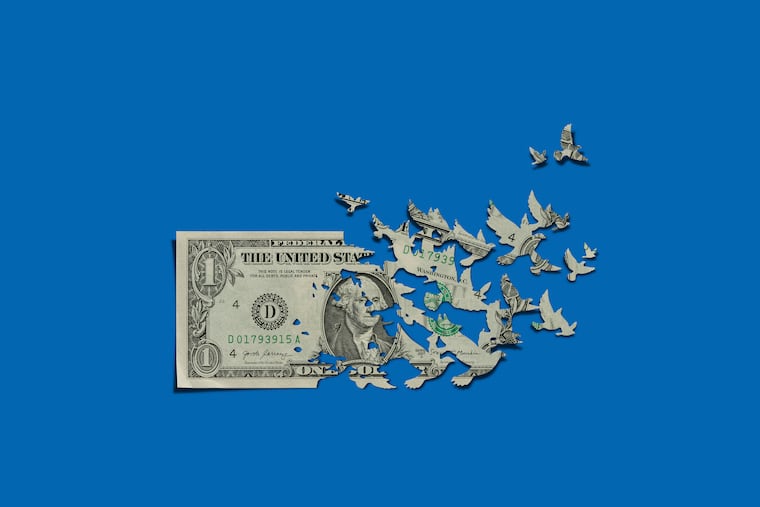
The federal government shutdown hit Philadelphians hard — especially the nearly half a million who rely on SNAP. Amid increased demand, food pantries found themselves serving many more people than usual, in some cases running out of food to give away.
🥕 While SNAP benefits have been restored, recipients are left feeling fearful about the apparent precarity of the food assistance program they rely on.
🥕 One of them is Anfisa Blyumina. For the 22-year-old Temple University student, the roughly $300 in SNAP benefits she receives each month is a lifeline as she juggles schoolwork and multiple jobs: “I’ve never seen it as a handout,” she said. “It’s a means of survival.”
🥕 The Inquirer spoke with people across the city, including mothers with children, people with disabilities, and operators of a grocery store where half of its customers use SNAP, about how the freeze affected them.
Read their stories in their own words.
More on the shutdown’s impact: Federal workers in Philly are returning to work and will soon receive back pay, but it’s unclear when laid-off employees will be reinstated. And Pennsylvania’s scientific researchers are urging Congress to increase funding to the National Institutes of Health instead of cutting it by 40%, as President Donald Trump had proposed.
What you should know today
A police officer beat up and used a stun gun on a grieving Northeast Philadelphia man, then lied about the incident, a new lawsuit says.
Sen. John Fetterman was hospitalized after a fall near his home in Braddock. His staff said Thursday that the incident was related to ventricular fibrillation, which is the most severe form of arrhythmia and a common cause of sudden cardiac death.
Pennsylvania public schools will save $175 million thanks to sweeping changes coming to cyber charters in the state budget deal reached this week.
Philly’s collar counties are preparing for tight budgets and potential tax increases as state dollars are settled months late.
Philadelphia shoppers will soon have to pay 10 cents per paper bag after Mayor Cherelle L. Parker on Thursday allowed a bill imposing the fee to become law. Plus, City Council President Kenyatta Johnson defended Parker’s shift on contracting diversity goals, and Councilmember Cindy Bass introduced a bill to “impose a temporary moratorium” on puppy breeding.
Philly District Attorney Larry Krasner on Thursday denounced Trump’s refusal to cooperate with a United Nations review of the country’s human rights record.
The University of Pennsylvania and Children’s Hospital of Philadelphia will test gene therapy for rare diseases under a new federal trial protocol.
Independence Hall will remain closed to visitors through late January due to preservation work ahead of the city’s Semiquincentennial celebrations.
Welcome back to Curious Philly Friday. We’ll feature both new and timeless stories from our forum for readers to ask about the city’s quirks.
This week, we’re resurfacing an explainer from 2019 on how Rittenhouse Square’s famous fountain came to be, and how it’s used today as a gathering place in all seasons.
The square began as an open field in the 17th century. The reflecting pool was added in 1913, aiming to transform “one of the commonplace city parks into a thing of beauty.” Here’s the full story.
Have your own burning question about Philadelphia, its local oddities, or how the region works? Submit it here and you might find the answer featured in this space.
🧠 Trivia time
Which Old City landmark is working on a restoration plan for its 300-year-old Great Bell after it was vandalized on Mischief Night?
A) Betsy Ross House
B) Christ Church
C) Benjamin Franklin Museum
D) Cherry Street Pier
Think you know? Check your answer.
What we’re...
🎤 Remembering: That time former mayor Frank Rizzo called a KYW-TV News reporter a “crumb bum.”
⭐ Watching: The Kimmel Center’s livestreamed Michelin ceremony on Tuesday.
💥 Learning: The forgotten story of the Revolutionary War’s “swashbuckling, patriot Jewish pirates.”
🏠 Fantasizing about: This $2.7 million Wildwood Crest home, complete with 127 years of Shore history.
📚 Considering: This Library Company of Philadelphia shareholder celebration of its Temple merger — and this former trustee’s reasons for resigning.
🧩 Unscramble the anagram
Hint: Mushroom capital
SEQUENT TANKER
Email us if you know the answer. We’ll select a reader at random to shout out here.
Cheers to Mable Welborn, who solved Thursday’s anagram: North Wildwood. The Shore city has sued New Jersey over the collapse of its planned $54 million federal beach-replenishment project.
Photo of the day
🥤 One last caffeinated thing: Unionized Starbucks baristas announced a strike on Thursday, including five locations in Philadelphia, amid stalled negotiations between the workers’ union and the company.
Thanks for ending your week with The Inquirer.
By submitting your written, visual, and/or audio contributions, you agree to The Inquirer’s Terms of Use, including the grant of rights in Section 10.