Emma Glass’ ‘Rest and Be Thankful’ powerfully describes what it means to be a health-care worker
Rest and Be Thankful
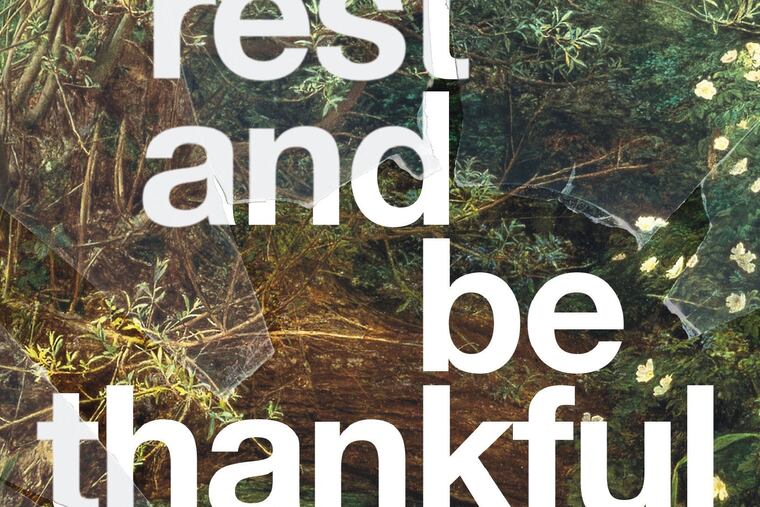
Rest and Be Thankful
By Emma Glass
Bloomsbury Circus. 160 pp. $18
Reviewed by Pete Tosiello
“We share this space where we are always on hold and are always on call,” affirms Laura, the narrator of Emma Glass’ new novel Rest and Be Thankful, describing her fellow health-care workers. “We absorb pain, too thick with mess to notice that everything around us is drying up and growing over. We will wake up one day in a wasteland, surrounded by the crumbling bones of those who loved us and waited for us to love them back.”
A nurse in a pediatric hospital, Laura veers between the emotional highs and enervating lows of emergency medicine, subsisting on caffeine and a hardwired sense of duty. With lives in the balance, she and her colleagues avail themselves at the expense of their own well-being. “We are cotton buds sucking up the sadness of others,” Laura professes, surveying another 12-hour shift of literal blood, sweat, and tears. “We are saturated, we are saviours.”
So arrives the first wave of the COVID-19 novels — even if Rest and Be Thankful, which was first published in the United Kingdom in March, is an inadvertent one. In a brief autofictional account, Glass, herself a children’s nurse in London, conveys the burdens borne by first responders and an ever-sickening populace.
Tasked with suppressing their emotions while on the clock, the nurses and doctors struggle to express them in their own homes; when a child dies, they must feign resolve before grieving in private. They must slow the creep of mortality until the last possible moment, at which point they abruptly pivot from healers to consolers. They are potent caregivers one minute and futile witnesses the next, scrubbing their hands until their knuckles crack and ooze.
In Laura's account, health care is intuitive and mechanical, a process of precise movements and calculations performed day after day and year after year. When a patient enters cardiac arrest, Laura describes her attempts at resuscitation: "Pain rages up my arms and across my shoulders. I keep going. Each compression means everything. And this could all mean nothing."
If the rote and rigor of the work dulls its life-or-death pressure, it contributes to a relentless, bones-deep exhaustion which seeps into the practitioners’ personal lives. The physical strain of caring for sick children is so immediate that Laura and her colleagues tend to disregard the emotional wear, to catastrophic effects. Glass achieves a holistic view not only of the work, but also the life of a health-care professional, her prosaic descriptions and muffled dialogue effecting an aesthetic quietude — like a hospital, or a morgue. Anyone who’s ever wondered how doctors arrive at their dry senses of humor would do well to read Rest and Be Thankful.
From the Washington Post.