Calder Gardens’ programs will cultivate community and plant artistic seeds
Marsha Perelman senior director of programs, Juana Berrío, will invite artists Raven Chacon and Cecilia Vicuña to bring the city to the gardens.
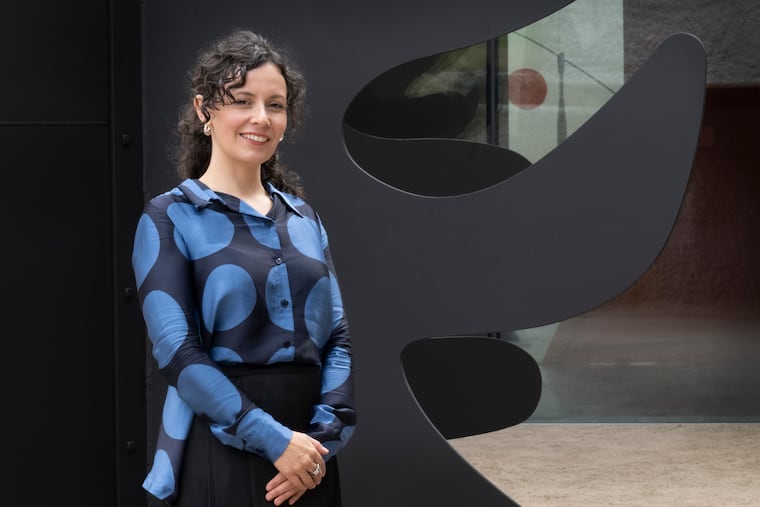
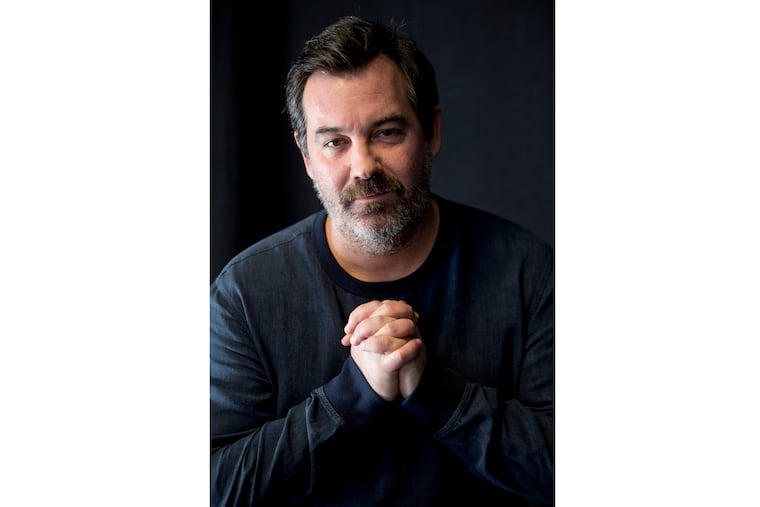
Juana Berrío grew up in Colombia and has worked, for years, as a curator, arts administrator, and programmer. In January, she was appointed the Marsha Perelman senior director of programs at Calder Gardens. Shortly before the gardens opened to the public, Berrío spoke to The Inquirer about her plans for the cultural institution.
You’ve had a career as a curator, educator, programmer. What’s the core of your artistic vision?
My practice is artist-centric and I am interested in and concerned about what’s happening with the environment. Anything that has to do with nature is intertwined with every aspect of life, and is affected by what we’re doing with what’s around us. It’s very important for me to be able to not only mentor younger generations, but also collaborate with peers to enrich the perspective that we have about the world. That is a really important aspect of my role in the arts. I like to call myself a cultural instigator.
How do you bring that to Calder Gardens?
I am concerned and committed to artists’ legacies and how people get to be remembered. Also, who gets to be remembered, and how we tell the stories about them. That and my interest in the environment. I’m very interested in how these can cross pollinate. And I love being able to use the word cross pollination working at Calder Gardens. This living organism is a living legacy, a living garden, a living building that changes all the time. So this notion of impermanence and things completely changing as we also recognize the interconnectedness of things, is something that was really important for me to embrace when I took this job.
Does the specter of Alexander Calder loom large over your programming?
We’re talking about an artist who left us with an incredible legacy of artworks. But I’m not just looking at the artwork, but the whole practice and how he worked. It has been very inspiring to see how he was very intuitive. He was present in the moment of touching the materials, looking around, what was happening, and in the context of where he was working. He was constantly taking risks and collaborating. Not only did he create the mobiles, but he also invited us to look around what was around the sculptures, the negative space. We are part of that space. That’s why the notion of introspection and contemplation are important to us. Because it’s really an invitation to be in the present moment with all of our senses, noticing our thoughts, without trying to jump immediately into trying to find the meaning of things.

- The Parkway’s luminous, magical spirit cave
- After two decades, Calder Gardens has finally arrived
- Take a virtual 360° tour of Calder Gardens
- When looking at a sculpture in the Calder Gardens, there is ‘no wrong answer’
- Calder Gardens architect on why it is a uniquely Philadelphia institution
- There are 37,000 individual plants at Calder Gardens. Here are five not to miss.
- The building may be done but the gardens are just getting to work at Calder Gardens
- 5 of our favorite sculptures at Calder Gardens and the stories behind them
- Calder Gardens’ programs will cultivate community and plant artistic seeds
How will your programming reflect that?
During the first year, we are going to be accompanied by two multidisciplinary artists. Raven Chacon, who is a musician, composer, artist. And Cecilia Vicuña, poet, sound artist, performance artist, painter, and environmental activist. The invitation I offered to them was to spend four seasons with us, starting in the fall and ending in the summer. The notion of seasons is fundamental for us, not only because we’re a garden but because this is a new institution. I want to highlight the fact that we are in this growing process.
Tell me more about Raven Chacon.
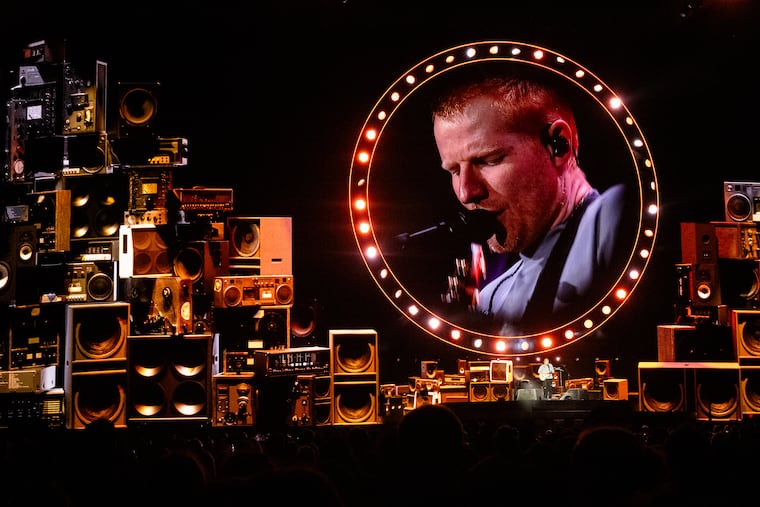
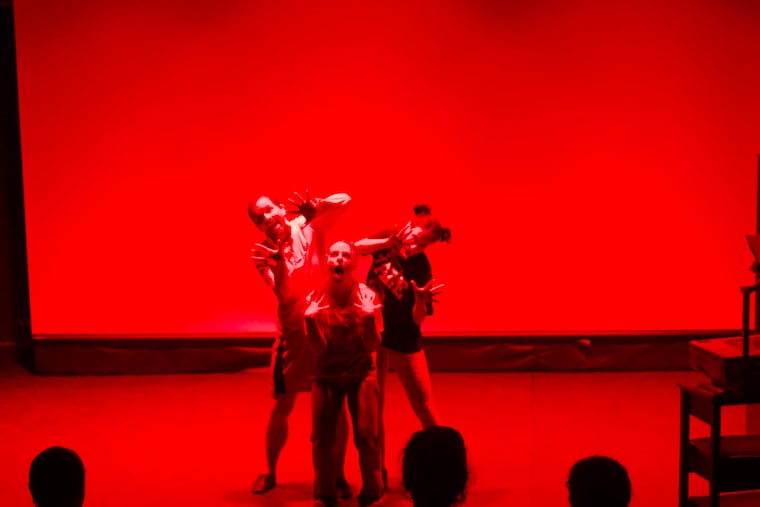
Raven will create from a musical perspective, see how he could be in dialogue with this space. He’ll create a series of performances and bring in different people. There’s going to be musical and sonic experiences here, in different areas of the building. I want to make sure that every single space is activated.
And Cecilia Vicuña?
The idea is to activate this space from a place that feels very holistic, and Cecilia is a magician who is able to activate that with spoken word, with movement, with storytelling. She’s someone who gathers communities together. There are going to be two major commissions. And we’ll launch some recurring series.
We love our gardens here in Philadelphia. How does the city inspire your programming?
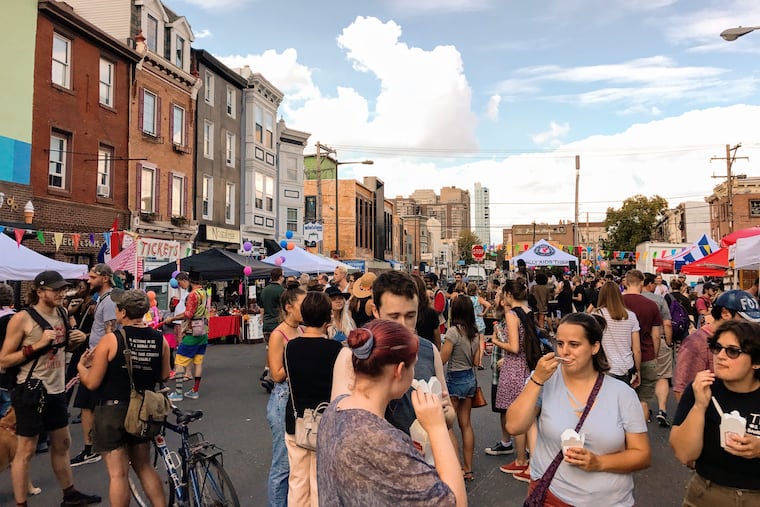
Philadelphia already speaks the garden language. It’s interested in this close contemplation of how things are constantly changing. My invitation is, “If you like gardens, come see the gardens,” but also see how we’re borrowing from the behavior of a garden to engage with communities. We’re going to be creating a lot of different sonic experiences. Philadelphia is a city that really thrives in its music … classical music, the opera, and the underground scene, and jazz. I’m really interested in how the city resonates with the notion of sound. Philadelphia is made of different communities. During this time, it’s so important to have this space that is safe for everyone to be together with different perspectives, with different backgrounds. It has incredible universities and I’m very inspired to be able to collaborate with professors, researchers, and students. I’m dying to see students from different backgrounds come spend time here.
What kind of place will this be with your programming?
I hope to be able to provide this space for people to get more curious, to find a place for themselves in the world, even if it’s just for a 30-minute-long visit. We’re going to be doing a lot of programs with the garden, not just about nature here in Philadelphia or the U.S., but I hope to bring people who will tell us more about what they know about, say, the Amazon, and how this garden is connected to the Amazon. I hope that idea of interconnectedness can be embraced.
“The Magic of Calder Gardens” is produced with support from Lisa D. Kabnick and John H. McFadden. Editorial content is created independently of the project’s donors.
To support The Inquirer’s High-Impact Journalism Fund, visit Inquirer.com/giving