An artist started befriending strangers in Pa. prisons. Now she is turning them into artwork.
Carolyn Harper wants to use her portraits of incarcerated people to end Pennsylvania's "death by incarceration" sentences.
Over the course of three years, Carolyn Harper and Donna Martorano became fast friends.
The two women, on different sides of Pennsylvania, lived very different lives and shared few similarities. But they bonded over emails, handwritten letters, and virtual visits.
Martorano shared tales of her family, her health issues, her hopes of reconnecting with her two sons, and her growing sense of detachment from the outside world.
They spoke daily, but before they could meet, Martorano died in July 2024 at age 74 at the State Correctional Institution in Cambridge Springs. She was serving a life sentence without parole for first-degree murder for contracting two men to kill her husband in 1992.
The official cause of her death was a heart attack.
Harper said Martorano’s past and conviction weren’t the end of her story. In the 32 years she was incarcerated, Harper said, Martorano became a certified braille transcriber and took violence prevention and mentoring programs.
But in her later years, she grew increasingly “bitter,” Harper said. Martorano was confined to her bed and wheelchair and was often bullied as her health worsened.
“Her spirits were crushed,” Harper said. “I really feel she died of a broken heart because she was not given institutional support. A lot of prison administrators just don’t care. She told me she had nothing left to live for.”
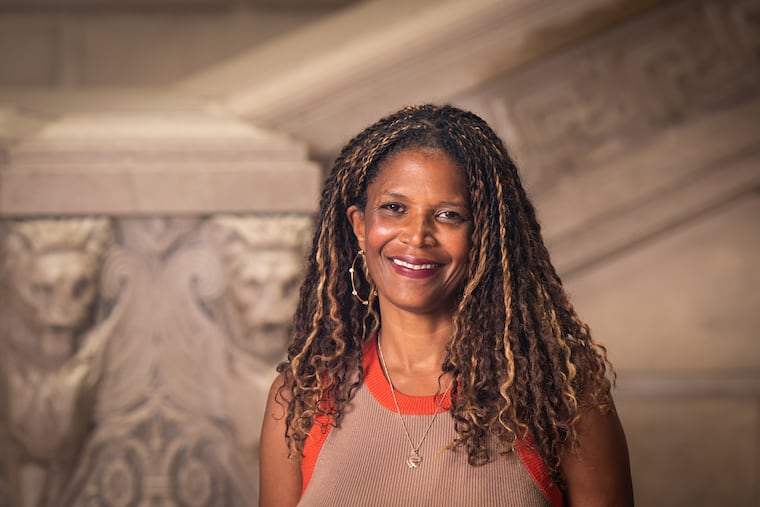
For the past five years, Harper, 60, has connected with dozens of other incarcerated people, some with stories similar to Martorano’s and others with far different lives.
These stories, Harper said, opened her eyes to the emptiness, detachment, and inhumanity people experience in prisons.
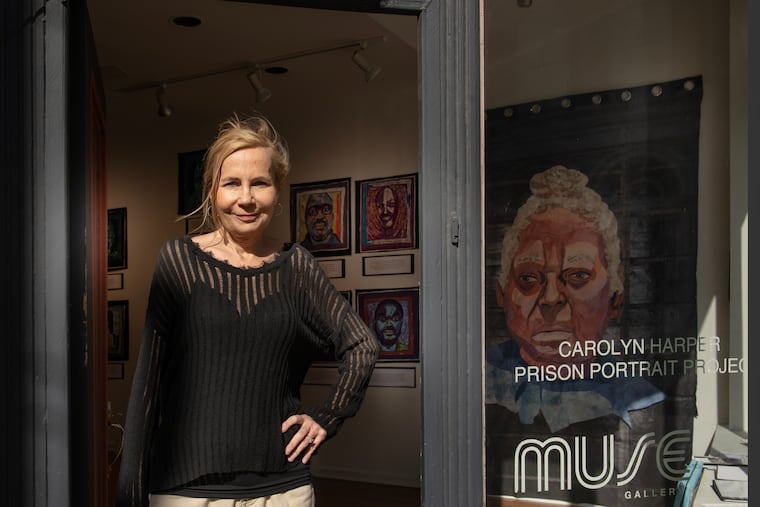
Their names, faces, and stories are now at the center of her latest portrait series, “Prison Portrait Project: Faces of Despair, Hope and Transformation," on display at Old City’s Muse Gallery.
Harper has placed their portraits on hand-sewn quilts and vibrant batiks, transforming the faces of those suffering from the country’s carceral system into artwork.
Like Martorano, several of Harper’s subjects are serving death sentences, with little to no path for early release or commutation. Harper has never asked specific questions about their pasts, and everything she knows about them is what she has been told voluntarily. But she’s certain about one thing: None of the people she has befriended is the same person they were when they were first incarcerated.
Pennsylvania, she found out, is one of two states in the country that has a mandatory life without parole sentence, known as “death by incarceration,” for both first-degree and second-degree felony murder.
“I have come to see that guilt or innocence, while important, is not the critical thing here,” Harper said. ”It’s the idea of redemption and rehabilitation. This, to me, is the real story — the story of transformation.”
For decades, people suffering from abuse, discrimination, and disenfranchisement have made their way onto Harper’s quilts.
In the mid-1990s, she created panels for the AIDS Memorial Quilt, a visual project that memorializes the hundreds of thousands of Americans who died from AIDS-related causes at the height of the epidemic.
She also developed a series of textile portraits championing queer love stories, and another shedding light on the systemic issues faced by those wrestling with dispossession and homelessness.
“People often come out of prison and don’t have a pathway to find a real job or housing,” Harper said. “I started to see that connection, and I became interested in the issue of incarceration.
“We pay lip service to this idea that prison is reformative, but really it’s punitive.”
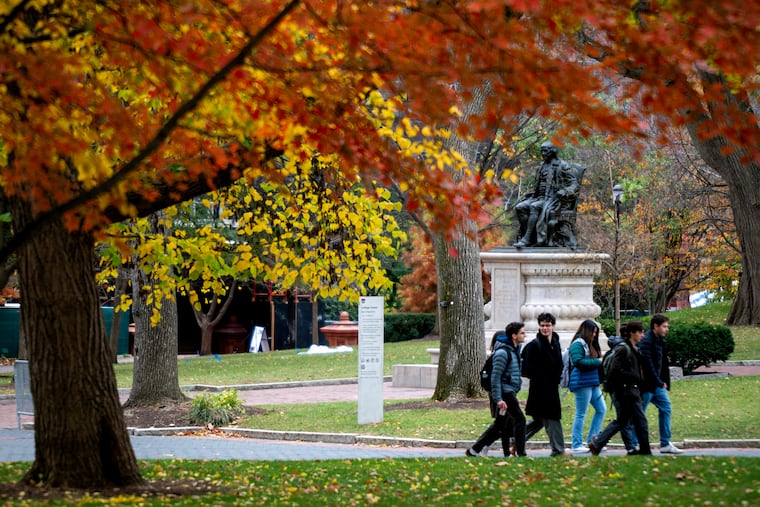
Born in Rochester, N.Y., Harper moved to Philadelphia in 1989 to study art at the University of Pennsylvania. Her days volunteering as an art teacher at local homeless shelters from 2013 to 2020 are what first drew her to the links between homelessness, dispossession, and incarceration. She was driven to learn more about the state’s prison system.
After her best friend was arrested in 2020 for abusing his husband, Harper’s interest became a lived reality. The health of her friend, who struggled with addiction and mental health issues, worsened due to his incarceration. Shortly after his release in 2021, he took his own life.
That pushed Harper to join organizations such as the Coalition to Abolish Death by Incarceration, We The People Coalition, and others. She wrote postcards, letters, and emails to incarcerated people throughout the state.
Before this, a self-described “snowflake,” Harper would veer away from conversations about incarceration. She started out fearing that she wouldn’t be able to emotionally cope with the struggles incarcerated people endure and write to her about in their letters. But she grew to become a listening ear, resource, and friend to people seeking human connection.
Through her hand-sewn and fabric-dyed portraits, she encourages her audience to step outside their worlds and enter the worlds of her subjects. Through her art, she highlights the forgotten humanity of incarcerated people and uses their testimonies to draw attention to Pennsylvania’s “harsh sentencing laws,” and correct the misconceptions people hold of those who are incarcerated.
The “Prison Portrait Project” started off with Harper writing to the people whose names, faces, and stories make up her art. Would they send her a photograph, she asked, and consent to be a part of her exhibition?
Most replied with a photo or told Harper where she could find one. Others had family members send photos to her. After she sewed them or transferred them onto quilts, Harper shared images of the final pieces with the subjects of the expressive portraits.
“I think seeing their self-portrait, and knowing it’s going in an exhibition, helps them see themselves in a different light. And that can be empowering,” Harper said.
Each quilt and batik-style image features a written statement from the person who inspired the portrait, ensuring their stories (along with their faces) are integral parts of the exhibit.
A binder containing more stories, statements, and poems written by people Harper connected with through the years, sits at the front of the gallery. Three self-portraits of incarcerated artists are also on display.
Harper is hopeful the show will inspire audiences to view those who are incarcerated as people, rather than lifeless serial numbers and charge sheets.
“Most of us don’t think about people in prison. If we do, it’s sort of with the feeling, ‘Well, they probably did something and deserve to be there.’”
She wants people to recognize the lack of redemptive pathways for people upon release, and the need for advocates to protect, defend, and humanize Pennsylvania’s incarcerated population.
“Prison Portrait Project: Faces of Despair, Hope and Transformation,” through Nov. 30, Muse Gallery, 52 N. Second St., Wednesday to Sunday, noon to 5 p.m. musegalleryphiladelphia.com