Philly girls love horror and a film club is enabling their quest for the thrills and chills
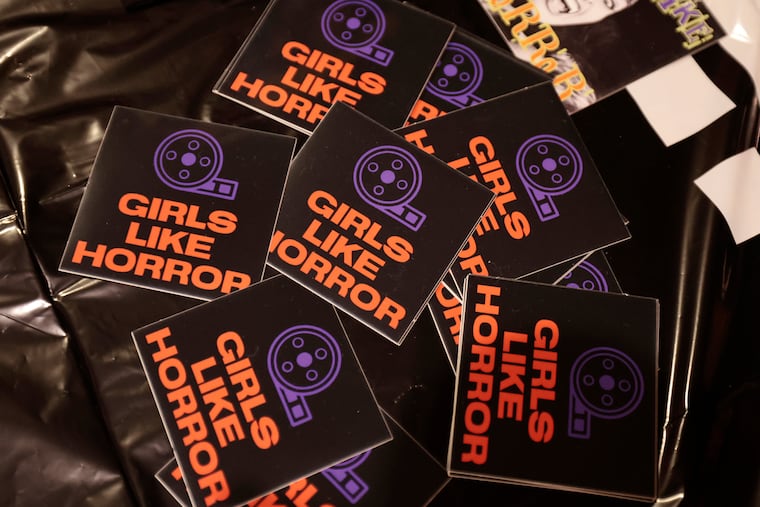
Since it was founded in 2024, Girls Like Horror has been hosting screenings and other events in a bid to shatter the myth that horror is a male-dominated space.
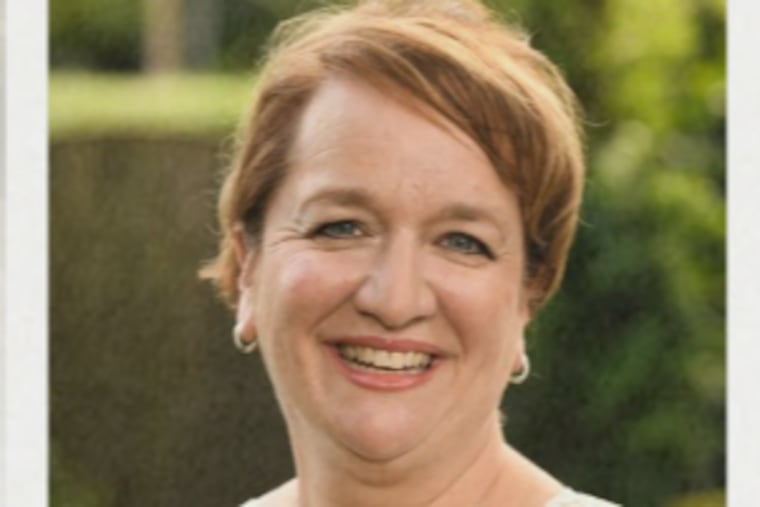
When Christina Acevedo moved to Philadelphia from Los Angeles in 2022, she hoped to find community in horror movies and the city’s many cinemas. But whenever she went to a film screening, she found herself surrounded mostly by men.
“It was actually a very isolating experience. But I knew there had to be other women who loved horror films as much as I did,” she said.
So Acevedo, a filmmaker who has adored horror since childhood and even directed her own body-horror short, The Pointy Slippers (a surreal meditation on uncomfortable shoes), launched Girls Like Horror in October 2024 in a bid to shatter the myth that horror is a male-dominated space.
Why launch the club? “I wanted to see movies with my people — the people who are of the same energy, who like the same films as me, and especially women,” the Center City resident said.
The club’s ethos is simple: Watch films directed by women or with compelling female protagonists, then gather afterward to process them together. “The only requirement for membership is a passion or curiosity for horror through the eyes of girls. All genders are welcome — just bring your love, and that quest for the thrills and chills!” said Acevedo.
The group’s first outing was intimate. About 15 friends gathered to see The Substance at the Philadelphia Film Society. From there, Girls Like Horror tapped into Philadelphia’s rich horror film programming by microcinema pop-ups like Space Melt and Heavy Cycle.
Its Valentine’s Day screening of Andrzej Żuławski’s Possession filled 450 seats at PFS. The accompanying mixer featured disposable cameras from PhotoLounge, a DIY “Final Girls Valentine’s” card-making station from the local zine MovieJawn, and a photo backdrop for fans to capture the night.
Last December, a Nosferatu screening packed 250 people into a theater, followed by an after-party so crowded that “the entire upstairs of Glory Bar was full, with a line for drinks out the door,” Acevedo said.
The club has been “received so well beyond what I could have ever imagined,” she said. “I’ve made so many new friends because of this club, and I’ve seen others make friends, too. It’s really just happening organically because of our shared love for horror.”
Though movies are at its core, Girls Like Horror has branched out into themed mixers, cemetery tours, ballet outings, and more.
Acevedo collaborates with partners like MovieJawn editor-in-chief Rosalie Kicks, who helps design crafts and activities, and local vendors like Soft Belly Cookies and Tapes From the Crypt, which sells VHS tapes. Mixers often include raffles, tarot readings, or coloring stations tied to a horror film.
“It is so rare to find a true partnership like this,” says Kicks. “We are not in competition or rivals — we are two cinephiles that not only want to share their love of film but to do so in a welcoming and safe space.”
For members, these collaborations can be transformative.
“The first Girls Like Horror event I went to was their screening of Blood Rage at the Film Society last year,” says Tory Talaga, 28, of Lower Moyamensing. “It was awesome to join a community of people who are as passionate about horror as me!”
Talaga works at a local nonprofit cat adoption café called Get a Gato, which collaborated with Girls Like Horror on a horror-themed trivia event. The event, she said, sold out faster than any event they had had before — in less than an hour.
But why horror? Acevedo believes it is uniquely suited to reflect the anxieties of its time. “Any great filmmaker, whether they know it or not, is making films that reflect the era they’re in,” she said, citing George Romero’s Night of the Living Dead, a 1968 classic where strangers barricade in a farmhouse as zombies close in.
“That film was a commentary on race and the media, even if Romero didn’t intend it that way. That’s what horror does — it becomes a mirror of our deepest fears and concerns,” said Acevedo.
“Horror is a way for me to process my deepest fears around issues that exist in our world today,” she explained. “Psychological thrillers feel too real. Horror gives you just enough distance to engage with those fears.”
Horror has also long served as a mirror for gendered fears. Body horror channels anxieties about autonomy and reproductive rights (from Rosemary’s Baby to Birth/Rebirth), while possession films dramatize the silencing of women through metaphors of madness or rage (Possession, Jennifer’s Body).
Slashers give rise to the “final girl,” a symbol of resilience and survival, and more recent films like Revenge, The Invisible Man, and The Babadook reframe trauma and rage through surreal menace.
For Acevedo, the monsters, demons, and haunted spaces often feel like metaphors for gaslighting, domestic expectations, and the double bind of femininity. Watching them on screen offers not only recognition but catharsis — and she notes with excitement that many of the films she gravitates toward are directed by women.
Last month, Girls Like Horror showed Pet Sematary at the Hiway Theater in Jenkintown. The choice was deliberate: Not only is it based on one of Stephen King’s most personal stories,it was directed by trailblazer Mary Lambert.
“She was one of the first women in major Hollywood to direct a horror film, which shattered the myth that horror was a man’s territory,” Acevedo noted. “Plus, having a young girl as one of the leads was groundbreaking at the time. Producers didn’t think a film could sell with a female child protagonist.”
She dreams of a permanent home for Girls Like Horror: “I’d love a retro space in Philly where people can hang, grab snacks, and watch films together — a kind of community-run video store and screening house.”
Ultimately, Girls Like Horror is more than a film club — it’s a refuge.
“It’s just amazing to watch people come together and find each other through horror,” Acevedo said. “At the end of the day, that’s what it’s all about.”