American Airlines raises bag fees amid higher fuel costs and the war in Iran
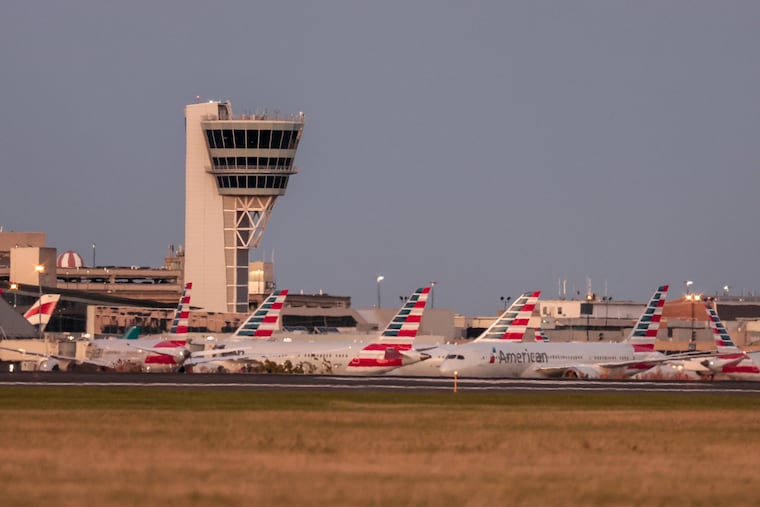
American, the largest carrier at Philadelphia International Airport, became the latest airline to increase prices amid rising fuel costs.
Get ready to pay more for air travel.
American Airlines this week raised fees on checked bags, becoming the latest carrier to increase prices amid rising jet fuel costs associated with the war in Iran.
“These changes are the result of the airline’s continuing evaluation of pricing and in light of the current operating environment,” the Fort Worth, Texas-based company said in announcing the changes Thursday. The new fees took effect the same day.
American is by far the largest carrier at Philadelphia International Airport, accounting for about 70% of passengers in 2024.
The new fee for the first checked bag on domestic flights and trips to Canada is $45 for main cabin customers who pay online ahead of time, up from $35. Those who pay at the airport face an additional $5 charge.
Prepaid bags for passengers flying domestic on a basic economy ticket — the airline’s lowest fare — now cost $50. Starting May 18, basic economy customers will have to pay a fee to select a seat, the company said.
American also raised prices for additional bags.
AAdvantage status members — those who’ve accrued sufficient “loyalty points” in American’s rewards program — and customers who buy premium cabin tickets will continue to receive complimentary bags, the company said.
Other major carriers including JetBlue, Southwest Airlines, United Airlines, and Delta Air Lines have also increased bag fees since the war began, according to USA Today.
President Donald Trump announced a temporary ceasefire this week, though analysts say it appears fragile.
Inflation rose 3.3% in March over the previous year, driven by a surge in energy costs, the U.S. Bureau of Labor Statistics reported Friday.
Reached by email Friday, an American spokesperson declined to elaborate on the reasons behind the increase in bag fees.
American CEO Robert Isom said in March that the company would take a $400 million hit in expenses in the first quarter as a result of increased fuel costs, Dallas Business Journal reported.