Five ways job seekers can improve their AI literacy
Employers and job experts offer tips that can help you showcase your AI skills, which are increasingly expected in the workplace.
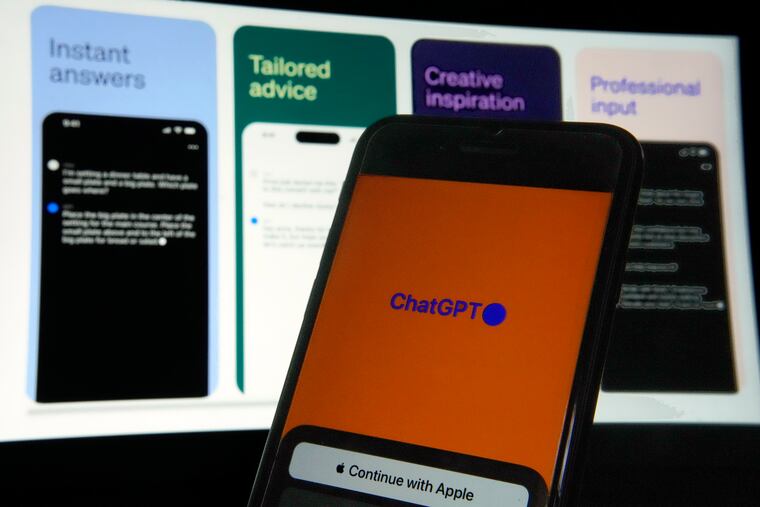
Employers are increasingly seeking candidates who have skills in artificial intelligence, whether it’s for a technical job like engineering or not.
Some companies include phrases like “AI fluency,” “AI literate” or “proficient” or “proactive” in using AI in job descriptions. Skills can range from being a requirement for a specific job, a measure of success, or just a bonus. And the growing expectation is spanning across job functions to include roles like content creation, marketing, and customer service.
“We’re seeing AI across the board,” Alicia Pittman, global people chair at Boston Consulting Group, said referring to the various clients the company advises. They “want their functions to be AI fluent, and they want their people to be able to use AI.”
But for job seekers, the sometimes vague reference to AI skills can be confusing. Here are a few things you can do to make yourself more marketable.
Familiarize with the tools
Candidates should familiarize themselves with what exists in the market, employers say. That means getting up to speed with some of the biggest applications like Open AI’s ChatGPT, Anthopic’s Claude, Google’s Gemini, and Microsoft’s Copilot. It could also mean learning how AI agents work — many companies including Salesforce have incorporated agents to help with customer service or sales. There are also image generators like Midjourney, Adobe Firefly, and Google’s Veo 3 for more creative roles like design or marketing or video.
“There will be a different set of tools for different people,” said Wade Foster, CEO of workflow automation platform Zapier.
Experiment with AI
Employers want to know that you’ve tested the tools and have some general knowledge of how they work and when they can provide value vs. when they struggle. So play around with the tools. You can start by using it for personal tasks like planning a vacation, optimizing your grocery list, or making meals for low-stakes experimentation, said Julia Cheek, founder and CEO of Austin-based digital health company Everlywell.
Then try to find use cases that you can apply to your work. Check with your boss before using it for real work, though, as companies might have rules around usage of AI in the workplace. If you don’t get the green light, you can always create hypothetical assignments to test it out. Research how people in your industry are using it, said Kory Kantenga, LinkedIn’s head of economics for the Americas. Social media or industry forums may offer suggestions.
Take advantage of free online courses
There are several free ways to educate yourself if you want to learn even more. OpenAI and Anthropic both offer AI literacy courses to help you. (The Washington Post has a content partnership with OpenAI.)
Google and Microsoft offer free courses on Coursera. Online learning platform Udemy and job site LinkedIn also offer some free and paid courses on AI. There’s also a multitude of tutorials on specific uses on YouTube.
Alternatively, yes, AI can teach you how to use AI.
“You can say, ‘I’d like to learn about X. I don’t know where to start. Can you give me some ideas?’” Foster said. “That’s an amazing opening volley to go down your own curiosity rabbit hole.”
Make a portfolio
Some employers find it helpful to see exactly what you’ve done with AI. So as you experiment, keep a journal of what you’ve tried and how it worked out, said Margaret Vo, education lead at Anthropic. Over time, you should end up with a portfolio of experiments that not only allow you to speak intelligibly about AI and what it can and can’t do, but also show how.
Be “totally open and transparent about your AI learning journey,” Vo said. “If done well, [the journal] is an amazing portfolio of the way you know how to leverage AI.”
You should also be able to speak to the judgment you used during the process, as AI doesn’t always get things right. Think of AI as an intern that needs your guidance and judgment rather than trusting everything it serves you, said Helen Russell, chief people officer at customer relationship management platform HubSpot.
Add AI to your resumé
If you’ve completed projects with AI, it doesn’t hurt to add some reference to that on your resumé, several job experts and employers said. You can add AI to your skills section, include certifications in your education or discuss successful uses in previous job descriptions. Over time, AI literacy skills will probably become the norm, much like Microsoft Word, said Ginnie Carlier, EY Americas vice chair of talent. But for now, it might catch the eye of an employer or an AI system screening resumés, she said.
“Employers are looking for people embracing the change,” said Hannah Calhoon, vice president of AI at Indeed. “It’s worth calling out if it’s a skill you have developed or are actively developing.”