Philadelphia has strong job growth – but not in industries that help fill office vacancies
Healthcare, arts and entertainment, food, and hospitality have seen employment growth in recent years.

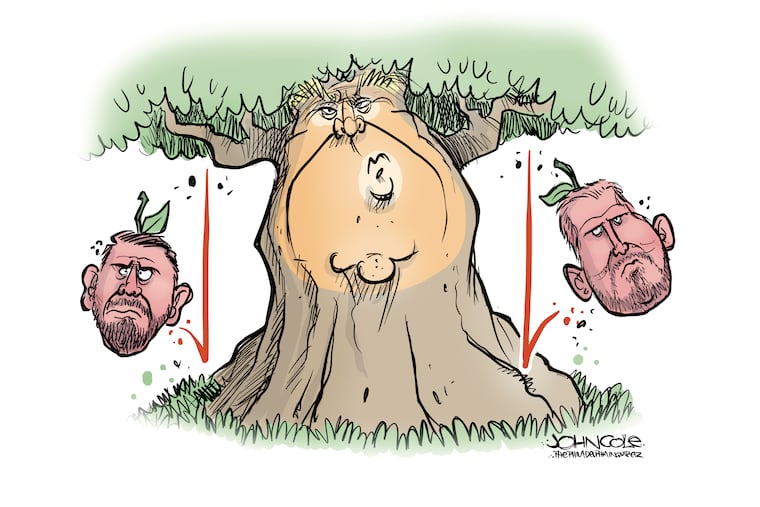
Philadelphia has seen significant job growth in recent years, outperforming other major cities — but it’s not helping fill empty offices in the area.
A new report by Center City District, Philadelphia’s business improvement district, evaluated 15 years of data on office leasing and vacancy, job growth, and the talent pipeline in the city and its surrounding suburbs.
They found that much of the region’s job growth has been concentrated in healthcare and other sectors where most employees do not work in offices.
Industry sectors that typically drive office occupancy, such as finance, insurance, and real estate, have stayed mostly static in Philadelphia over the past few years.
CCD vice president of economic development Clint Randall said that looking back at that time span provided the opportunity to understand the region’s progress since the Great Recession.
“So much of the discussion around the economy post-pandemic has been focused very specifically on who’s coming back to the office — recovery vs. some sort of pre-pandemic normal,” Randall said. “We just felt like it was time to zoom out a little bit and try to gain some perspective.”
A strong healthcare industry
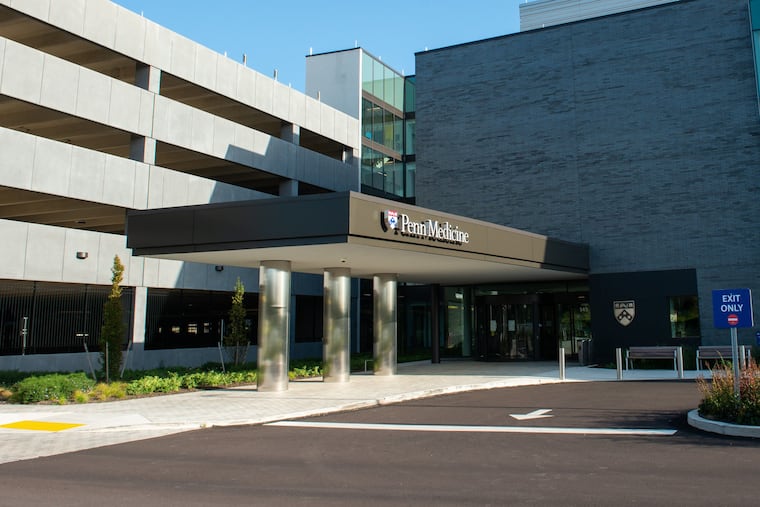
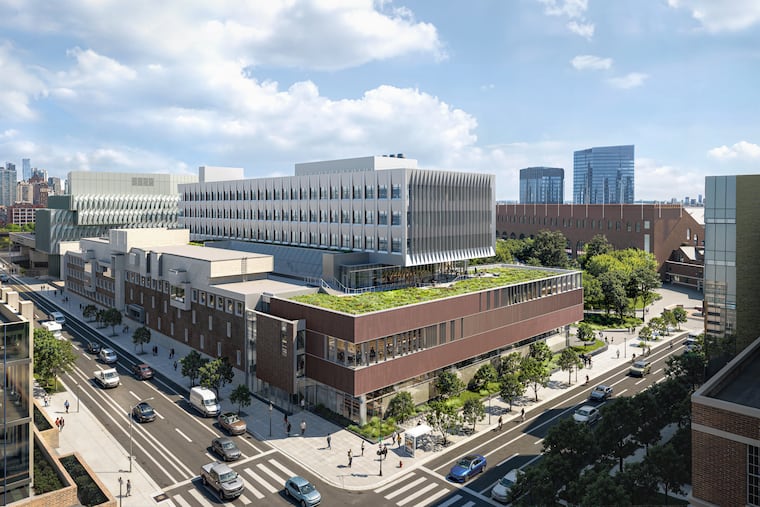
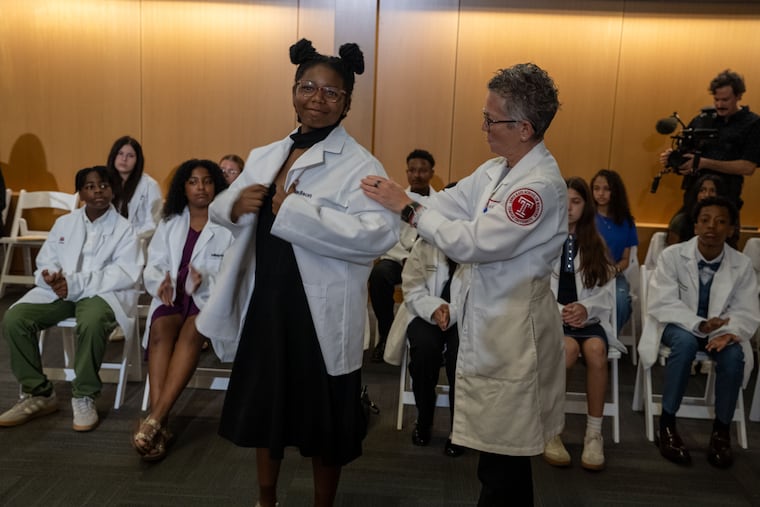
Philadelphia’s job growth has been the most consistent in healthcare and related jobs.
These jobs saw 44% employment growth between 2009 and 2024. They composed nearly a third of all jobs in the region in 2024.
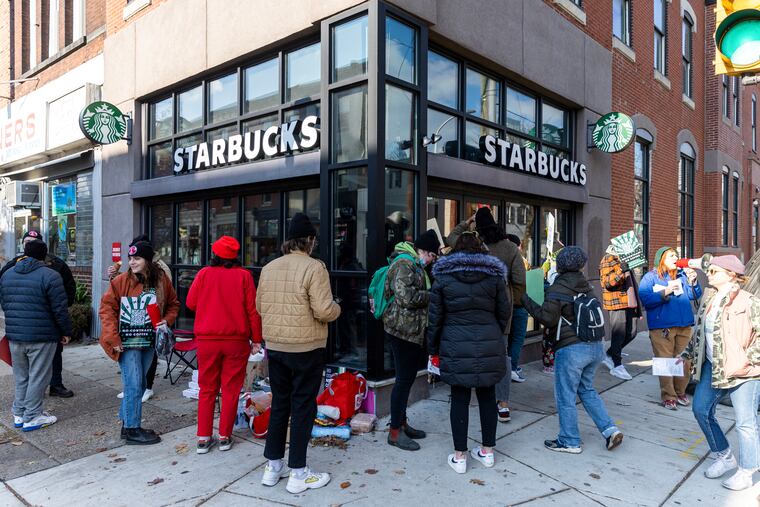
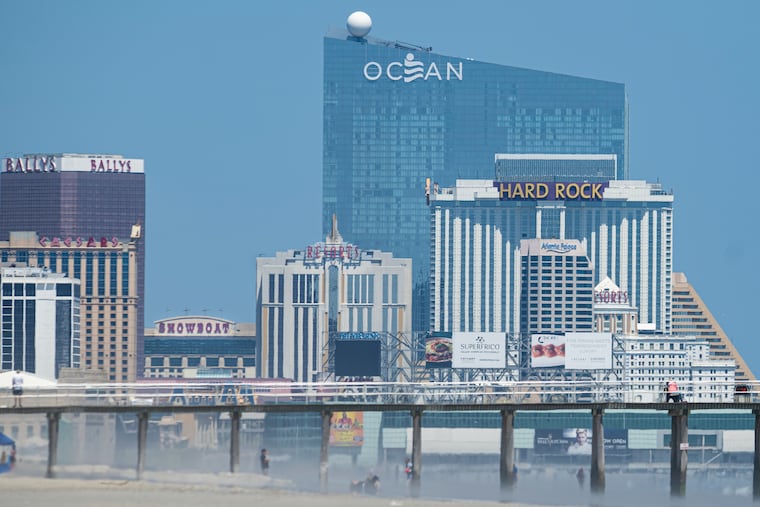
Other sectors driving recent job growth in the region include arts and entertainment, food, and hospitality.
The city saw total job growth of 13.6% between 2020 and 2024.
That’s an increase from 2014 to 2019, when employment increased by 10.4%. And it’s much higher than the 4.1% job growth rate coming out of the Great Recession from 2009 to 2014.
Philadelphia saw more employment growth than San Diego, Boston, and Los Angeles in the last four years. The city’s job growth was above the national average for the 25 largest counties.
“When you look at just the most recent five years, you see this really remarkable turnaround where Philadelphia, for the first time, is actually above-average for job growth,” said Randall.
“There’s so much focus on ‘is anyone coming back to the office?’ et cetera, but at the citywide level, our job recovery in the past five years is meaningfully better than it was the last time there was a financial crisis,” Randall added.
In the sectors associated with office occupancy, employment has grown by roughly 1% since 2020.
While it’s not a decrease, that 1% isn’t enough to “produce a huge windfall in terms of office space getting leased or creating demand for new office space,” said Randall.
Philadelphia vs. suburbs
The report also zoomed in on how leasing activity and jobs are spread out between Philadelphia and Montgomery County, which Randall described as the “strongest suburban county economically,” and “the most direct competitor to Philadelphia.”
The majority of the region’s office space is not in the city, and office leasing continues to be stronger in the suburbs than in Philadelphia. But the city now has a larger share of the region’s office-sector jobs than Montgomery County.
When looking at where the region’s office jobs are located, Montgomery County has held a larger share than Philadelphia since at least 2010.
But that changed in 2022. And in 2024, Philadelphia held 32.7% of the region’s office jobs compared to Montgomery County’s 31.4% share. Randall said that’s a “pretty marginal increase,” but noted that it “does say something meaningful around the balance of jobs in the region.”
Some firms are still in a “phase of experimentation,” trying to figure out how much office space they need, or what balance of city and suburban space they should have, said Randall.
Both Philadelphia and the suburbs are currently seeing high office vacancy rates — 20.4% and 20.8%, respectively — compared to previous years.
“Tenants post-pandemic continue to be indecisive, frankly, in terms of what they want, in terms of what their workplace strategy should be, in terms of what their hybrid or remote policy should be,” said Randall. “Most firms have drastically reduced the amount of space that they want to lease.”
In the legal industry, a useful indicator for the region, “You see law firms contracting by as much as 40% or 50% every time they renew a lease,” Randall said.
And while Philadelphia saw a “steady stream” of newcomer companies moving into office space downtown between 2014 and 2019, Randall said, that “largely dried up post-pandemic,” he said.
What comes next?
To increase office demand — and the number of office jobs in turn — CCD’s report suggested incentives for economic development along Market Street.
Randall pointed to the Keystone Opportunity Zones designated in University City and the Navy Yard that have spurred growth. CCD’s report also noted that state and federal incentives could also serve as models locally.
In order to continue attracting talent to the region, Randall said, “We need to keep making Center City and Philadelphia more broadly, a place that’s easy to live, that’s pleasant to live, that’s affordable to live, and that has clear advantages over any other place you might want to consider locating.”