$12 billion trust fund is about to crack open for U.K. teens
The cash is a welcome dose of good news in an otherwise terrible year for British teens.
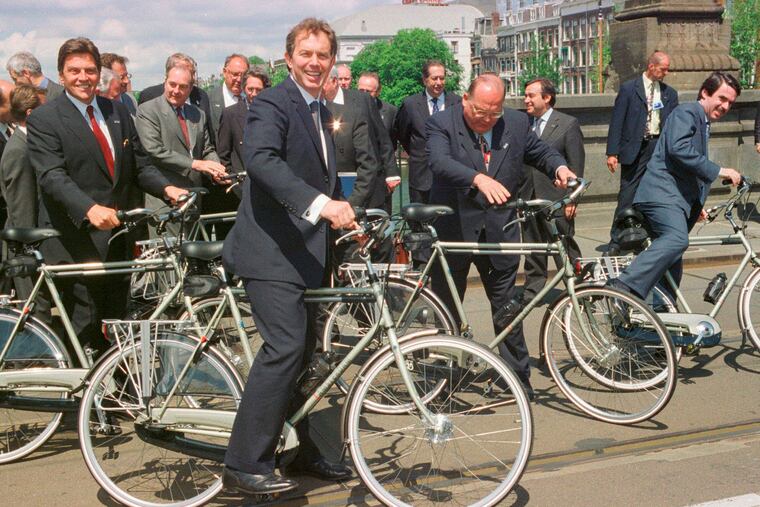
After 15 years, a $12 billion piggy bank is finally ready to be raided.
British teens turning 18 on Tuesday will begin receiving payouts from an experimental savings program enacted when Tony Blair was prime minister and Harry Potter and the Goblet of Fire was the world’s No. 1 movie.
Called Child Trust Funds, the accounts were set up by the state with initial grants ranging from 250 pounds for children in well-off families to 500 pounds for those in low-income households. They provide every person born in the U.K. between Sept. 1, 2002, and Jan. 1, 2011, with a tax-free windfall to start their adult lives.
The 18-year-olds will have access to account balances that range from about 1,000 pounds ($1,330) to 70,000 pounds each, depending on how they were managed, according to estimates by Moore Kingston Smith, a London-based accounting firm.
With about 55,000 people redeeming their Child Trust Funds every month until 2029, the program is poised to affect the financial lives of a generation of young Britons. Officials in other countries are eyeing similar initiatives as the economic turmoil sparked by the coronavirus crisis prompts a fresh look at universal basic income and other forms of direct-cash payments as social welfare.
Last week, New Jersey Gov. Phil Murphy, a Democrat, proposed granting children born in the state a $1,000 state-funded nest egg. Part of Murphy’s budget for the fiscal year starting Oct. 1, it would cost an estimated $80 million a year and apply to children born in families earning less than about $131,000 a year, the New York Times reported. Such a move also has been discussed at the federal level.
For British teens, the cash is a welcomed dose of good news in an otherwise terrible year. Many high school students in the U.K. have had to cope with canceled school terms and anxiety about their future, after a government plan to set final grades for graduates went haywire in the pandemic.
While 529 accounts in the U.S. earmark funds for college, Child Trust Fund holders can spend their money however they like.
“It’s quite exciting, isn’t it?” said Sasha Brealey, a London high school student who will turn 18 on Sept. 19. “I’ll keep it in my savings account to help pay for university and keep it as cash. I don’t know enough about the stock market, so I would probably do something quite stupid if I invested it.”
If left alone, a Child Trust Fund will automatically morph into an Individual Savings Account, which is tax-free and currently yields a 3.5% return, according to Hargreaves Lansdown. Sarah Coles, a personal finance analyst with the London-based investment firm, says the majority of younger savers tend to maintain such accounts well after they mature. Still, she urges parents to chat with their teens about their savings long before it's time to make such a decision.
“If young people understand how it’s invested, it will give them a good idea of the long-term growth potential,” Coles said. “It can help build a sense that their money has been working hard for them, so they need to treat it with respect.”
Launched in 2005, the Child Trust Fund program grew out of an effort to provide young people with a material stake in society and address inequality. Many conservatives argued that the "baby bonds" initiative amounted to a universal state handout that would be a waste of money. Leftists disliked the role played by the securities markets in the program and favored cash benefits.
The funds were set up like 401(k) accounts, and parents were encouraged to make regular contributions, which are now capped at about 9,000 pounds a year. The money could be invested in the stock market or more conservative cash savings accounts. Teens got to manage their funds when they turned 16.
The British tax authority opened accounts on behalf of children whose parents didn’t act. Over the years, officials have lost track of more than one million account holders as they moved residences or changed addresses, stranding 2 billion pounds in funds, according to the Share Foundation, a charity that is working to help sort out the mess.
The insights gained from the Child Trust Fund program “should help us shape new policies to promote opportunity and resilience among those coming of age in the 2030s,” said Gavin Kelly, the chair of the Resolution Foundation, a London think tank, and one of the architects of the program. “After all, they’re going to need all the help they can get.”