Lawyers take on shuttered Philly law firm over unpaid bonuses
A group of attorneys got a settlement in their lawsuit over allegedly mismanaged retirement funds, but another case over unpaid 2023 compensation is set for trial next year.
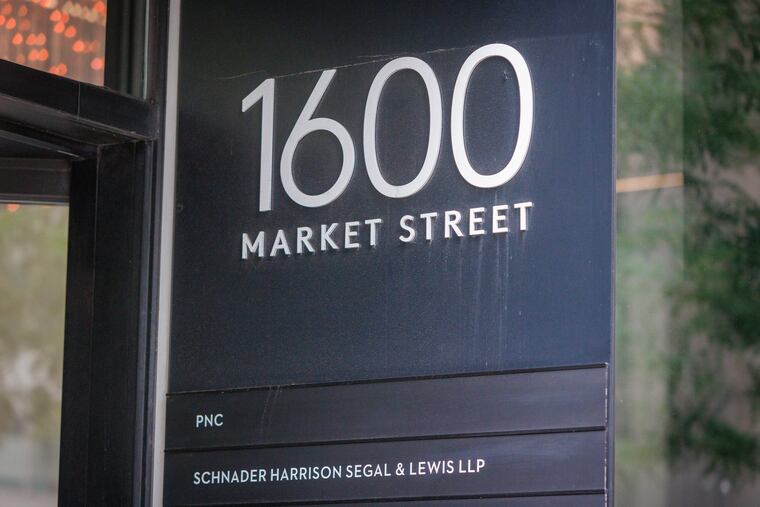
The management of shuttered Philadelphia law firm Schnader Harrison Segal & Lewis has just settled with a group of partners who sued over unpaid retirement funds but continues to face separate allegations that the firm failed to properly pay some lawyers in its last year open.
In a class action over allegedly mismanaged retirement funds, the former firm’s top leaders agreed to a settlement last year of $675,000, which was approved Thursday in federal court in Philadelphia. Lawyer Jo Bennett, who left Schnader Harrison in early 2023, filed the suit on behalf of several dozen former colleagues.
It’s hard for anyone to sue their former employer, said R. Joseph Barton, one of Bennett’s lawyers. “It’s also hard for an active, practicing attorney to sue her former colleagues.”
U.S. District Judge John Milton Younge said Thursday that he had expected the case might be held up because the law firm, as a business, had closed. He asked the lawyers, “Where did the fund come from?” in reference to the settlement money. Barton said some likely came from insurance, and some may have come from individual shareholders of the former firm.
During Thursday’s hearing, lawyers for Schnader Harrison said they would not oppose any of the conditions Bennett’s lawyers asked for.
Before that settlement’s final approval, several former partners of the firm asked the judge to ensure the agreement wouldn’t stop their other lawsuit against the shuttered firm, filed in the Philadelphia Court of Common Pleas in April. That suit alleges that the firm withheld their bonuses during its final year in business, violating their employment contracts. The six lawyers suing the firm each allege that they missed out on between $40,000 and $200,000 of compensation.
Leslie Corwin of law firm Duane Morris, who is handling Schnader Harrison’s dissolution, said “Schnader disputes the claims” in the Philadelphia suit. “It’s part of the windup process, which is still ongoing.”
Corwin declined to comment on Bennett’s settlement and did not represent Schnader Harrison in that case. He noted that the shuttered firm is currently in the process of paying its secured creditor, WSFS Bank.
The six former Schnader Harrison lawyers suing in Philadelphia court were based in other cities — four in New York, one in Pittsburgh, and one in San Francisco. As in the retirement funds case, these lawyers did not have an ownership stake in the firm.
Each of the lawyers was entitled to additional compensation each year beyond their base salary, the lawsuit says, but the year Schnader Harrison closed, the firm failed to pay those bonuses. The six lawyers allege that was a violation of their employment contracts.
Suing former colleagues
The retirement funds settlement is expected to be split among 76 people after the class’ lawyers are paid one-third of the settlement as their fee. The amount paid to each class member is based on how much their retirement fund should have grown during the time in question, Bennett’s lawyers said, with a minimum payout of $25.
Bennett is also set to receive a $10,000 service award from the settlement fund for bringing the case on behalf of her colleagues.
“It takes quite a bit of nerve to sue your former colleagues,” Adam Garner, one of Bennett’s lawyers, said during Thursday’s hearing. “It takes chutzpah to do what Ms. Bennett did.”
Bennett had alleged that Schnader’s equity partners — the lawyers who shared ownership of the firm — did not put employees’ retirement contributions into its 401(k) plan as promptly as it should have. Instead, Bennett alleged, the firm “commingled the employee contributions” with the firm’s other assets and used them “for their own purposes, including funding Schnader’s operations and funding the distributions made to the firm’s equity partners.”
The firm’s equity partners did not put in their own money to help the firm pay its bills, she alleged, as it faced lawsuits over missed rent on its offices in Philadelphia and San Francisco. The firm announced its plans to dissolve in August 2023.