Carpenters union buys $52.5 million Navy Yard building and plans move
The Eastern Atlantic States Regional Council of Carpenters plans to relocate its Spring Garden-based headquarters and two local training centers.
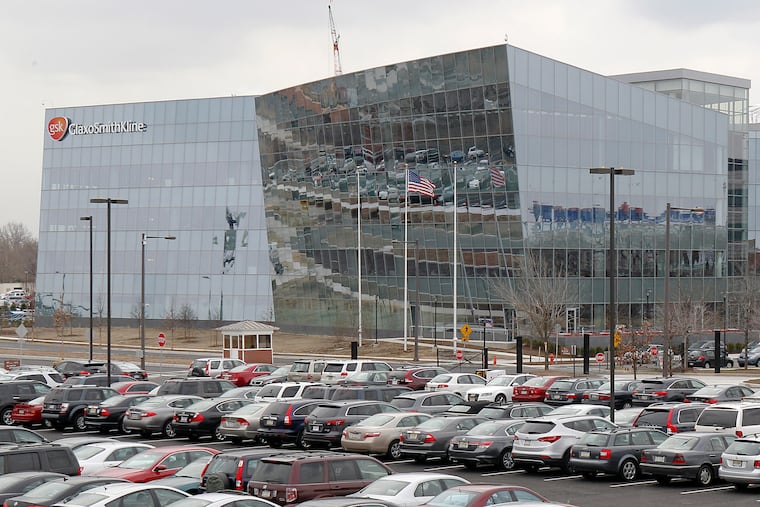
The Eastern Atlantic States Regional Council of Carpenters plans to relocate its headquarters and two local training centers to the Philadelphia Navy Yard.
“We’re extremely excited about the prospects and what this facility is going to transform into over the next few years,” William Sproule, executive secretary-treasurer for the Carpenters, said on Tuesday. “It’s really only the beginning of the story, and we’re going to be doing a lot of neat things down there.”
The council had outgrown its Spring Garden Street facility, Sproule said, and started seeking a new property 2½ years ago. Philadelphia buildings continue to have vacancies as a result of the pandemic, he said, and the current state of the real estate industry represented an opportunity.
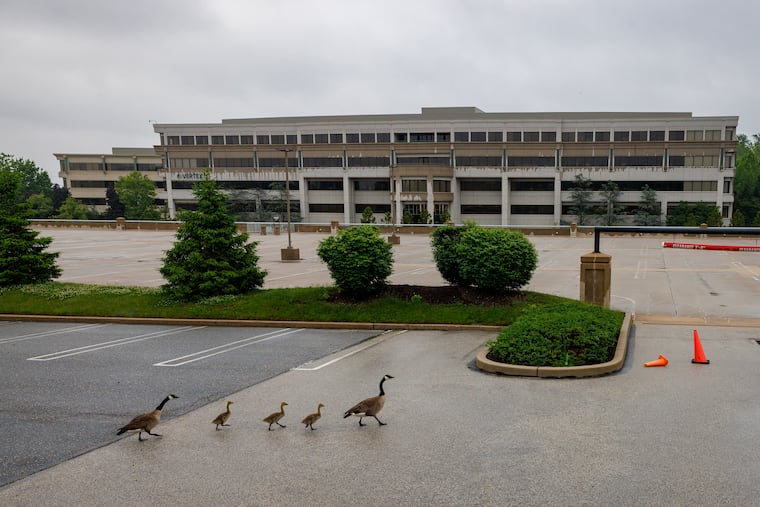
The council purchased the Navy Yard building for $52.5 million, said Sproule, and the deal closed on Dec. 19. The building at 5 Crescent Dr. previously sold for $130.5 million in 2018.
The four-story, 208,000-square-foot building was designed for drugmaker GSK by the architectural firm of Robert A.M. Stern, which is also responsible for the first Comcast tower.
The pharmaceutical company moved its operations to the Navy Yard from Center City in 2013.
Although GSK was a remote-friendly company since before the COVID-19 pandemic, the building remained well used until 2020.
Then, in 2022, GSK moved its operations out of the then-lightly used Navy Yard office to a 50,000-square-foot office in University City’s FMC Tower. In an unusual move the company continued to pay rent at the former location, and did not seek to sublease the space.
That left the building at 5 Crescent Dr. in a tricky position: it is difficult to get new financing on a vacant building, even if rent is still being paid, because it is clear that when the lease is up the tenant will not renew. As a result, the building owner, Korea Investment Management Co., ran into financial problems on the property which went into foreclosure.
Special servicer Rialto Capital Management has been handling the day-to-day care of the building in recent years. Neither Rialto nor GSK immediately replied to requests for comment.
Office space in the Navy Yard is in high demand, with no official vacancy thanks to GSK’s continued rental of their former space. According to the official website, it hosts over 16,500 workers from 150 companies.
Carpenters union’s plans for the Navy Yard
Plans for the Navy Yard site include constructing a training facility adjacent to the purchased building that would eventually replace the council’s Northeast Philly and New Castle training centers, said Sproule. He estimated that it could cost $30 million to build out “on the low end,” and take at least 24 months to complete.
The move to the Navy Yard will also improve accessibility for some, said Sproule. When apprentices who live in the city are first starting out, they might not have access to a car, he said, adding that the new site is conveniently located near the NRG SEPTA stop.
“I think it’s going to be extremely convenient for members doing journeyman upgrade classes that live within the city limits as well as apprentices that live within the city limits that may not drive as much as folks that live out in the suburbs,” he said.
Sproule said employees of the union could be working out of the Navy Yard site as soon as the end of April, with initially up to 125 people based out of the building’s fourth floor.
The council has also already identified some potential tenants to lease out parts of the Navy Yard building.
Sproule said the council is considering selling the Spring Garden facility, or getting it “zoned for a mid-rise, multifamily structure.”
“We may try to build something similar to what’s across the street, or we may sell it to an interested party. We haven’t made those decisions yet,” he said. “I guess it’s just going to be a matter of what’s more practical and feasible.”
Sproule said the purchase of the Navy Yard site seemed from the start like “a really good deal.” Then when he learned from an article in the Philadelphia Business Journal that the building at one time had sold for roughly $130 million, he said, “knowing that somebody actually invested that kind of capital for that building back then — which wasn’t that long ago, when you think about it — makes me really feel good about our endeavors that we’re about to embark on.”
“Aside from our pension funds and all the investments that we do on that end to make sure that they are strong and secure for generations to come, we do have general fund assets that our Regional Council uses for operational purposes. We just hit a spot in time where we had an opportunity to possibly look at an investment of this size and magnitude, and it was just a matter of being at the right time, at the right place,” he said.
Navy Yard neighbors
The Carpenters are not the first building trades union to move to the Navy Yard from Spring Garden.
In 2023, International Brotherhood of Electrical Workers Local 98 announced that it would be relocating its headquarters from 1719 Spring Garden St. The union purchased two properties for $18.5 million.
“We’re excited to be their neighbors,” said Sproule.
The Regional Council of Carpenters and Local 98 are among the most powerful building trades unions in Philadelphia, and they have strong membership bases in South Jersey and South Philadelphia, making the Navy Yard location at the edge of the city ideal for many members.
The spacious property at the Navy Yard also allows room for training facilities, which could be difficult to co-locate with a headquarters office in other parts of the city.
On the other side of Philadelphia is another concentration of building trades infrastructure in the Far Northeast. Near the Bucks County line, this hub provides similar advantages for union locals that include the Steamfitters, Ironworkers, and Bricklayers.