Gov. Mikie Sherrill gives NJ Transit 45 days to submit plan to improve services
The New Jersey governor signed an executive order this week requiring the transportation agency to craft a plan for improving four key priority areas.
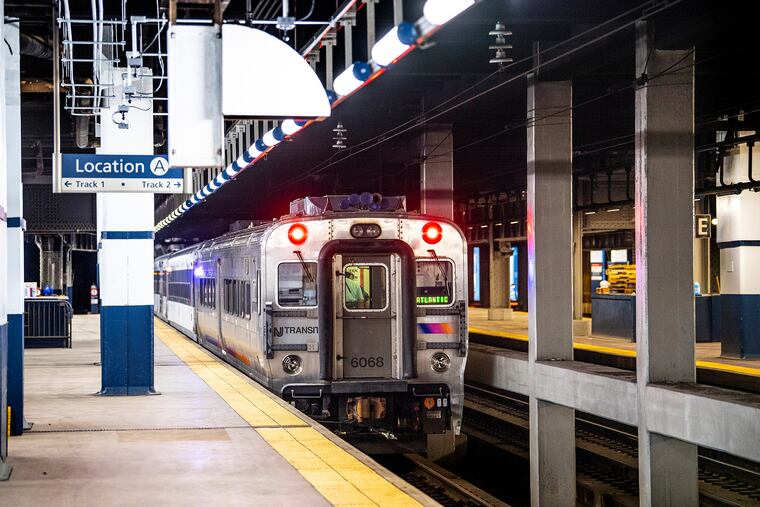
NJ Transit needs improvements, says Gov. Mikie Sherrill.
The New Jersey governor, who stepped into her role earlier this year, signed an executive order this week requiring the transit agency to put together a plan to improve services. NJ Transit provides several bus routes between Philadelphia and South Jersey, and a train from Philadelphia to Atlantic City.
“A priority focus on short-term, quickly implementable actions to improve rider experience is necessary, even while a renewed long-term examination of NJ Transit’s vision and operations gets underway,” the executive order reads.
Sherrill acknowledges in the order that the transportation agency has “faced systemic challenges,” citing in part aging infrastructure and financial budget deficits that have impacted service.
In recent years, NJ Transit has faced financial strain and riders have complained about unreliable service.
In 2024, the transit agency said that it would face a budget gap of $118 million in 2025, and that the financial deficit would grow to $917 million in 2026. Ridership was still below pre-pandemic levels and emergency financial support had run out, The Inquirer reported at the time. In an effort to avoid service cuts, NJ Transit’s board approved rate hikes in 2024.
Sherrill‘s executive order tasked the state’s commissioner of the Department of Transportation, who chairs the NJ Transit board, with submitting a plan to improve “rider experience and customer service delivery” within 45 days. The transit agency must first gather insight from the public through an online survey and three virtual sessions.
» READ MORE: NJ Transit riders from Philadelphia should expect service disruptions for the next four weeks
The plan for improvement should address four identified priority areas: cleanliness aboard NJ Transit and at station stops, accessibility, safety, and “usability and reliability” of the transit agency’s website and app.
The changes must be implemented within 45 days of submitting the plan.