PUC rejects pipeline’s proposal to cut Philadelphia refiners off from Pittsburgh
But Buckeye Partners still wants to give Midwestern fuel producers more access to western Pa. markets, at the expense of Delaware River refiners.
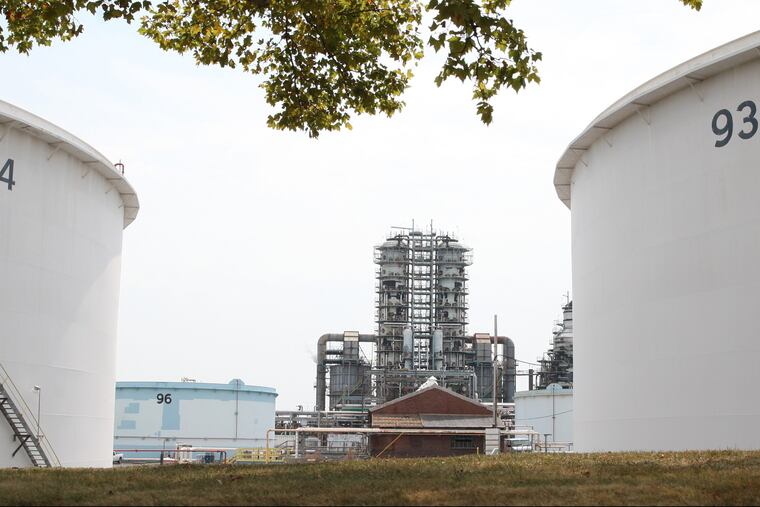
The Pennsylvania Public Utility Commission on Thursday rejected a proposal to abandon east-to-west service on a pipeline that now carries fuel from Philadelphia refineries to Pittsburgh, a critical issue for local refiners who say they want to preserve their access to Western Pennsylvania markets.
The PUC, by a 5-0 vote, rejected a proposal by Buckeye Partners LP to abandon service on part of the Laurel pipeline between Altoona and Pittsburgh. Buckeye asked the commission for permission to reverse flow on the pipeline to give Midwestern refineries access to central Pennsylvania, creating a dead end for Philadelphia refiners at Altoona.
The PUC's decision is unlikely to be the last word on the matter.
Buckeye seems intent on allowing Midwestern refiners, which produce fuel from domestic and Canadian shale-oil reserves, to have more access to Western Pennsylvania.
Buckeye announced in April that it plans to convert the pipeline to bidirectional flow, allowing it to move fuels either from the east or from the west at different times, depending upon market conditions. Under such a scenario, it would not abandon east-to-west service, but would not make access from the East Coast available year-round.
The company, in a statement Thursday, said it will continue to move forward with plans to provide two-way service on the Laurel pipeline, while abiding by the PUC decision.
"Bidirectional service will enhance competition and provide shippers and suppliers with more options while still increasing access to lower-cost North American-produced fuels for Pennsylvania consumers," it said.