Philly business owners could save thousands with this little-known resource
PIDC provides financing to businesses to create jobs and revitalize neighborhoods.
If you own a business in Philadelphia and you’re looking for financing, one little known resource is the Philadelphia Industrial Development Corp. or PIDC. Don’t be put off by the word industrial. The public-private organization was formed as a nonprofit by the City of Philadelphia and the Greater Philadelphia Chamber of Commerce to provide financing to all sorts of businesses to create jobs and revitalize neighborhoods.
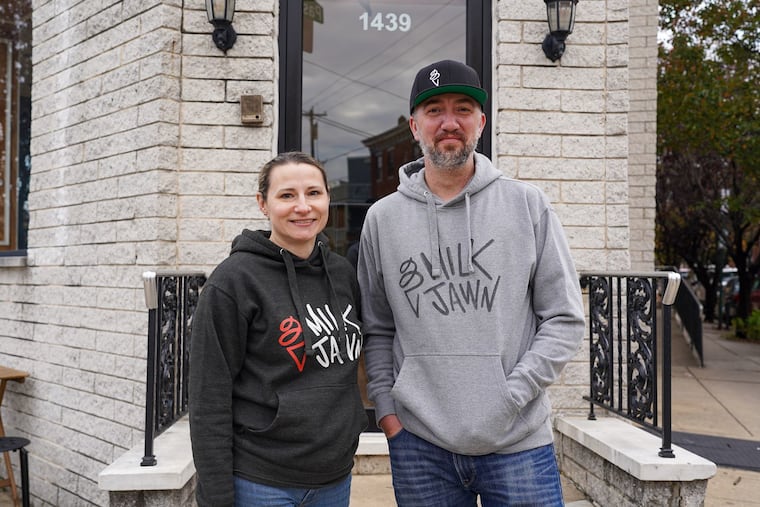
For example, Milk Jawn, an ice cream shop in East Passyunk used PIDC financing to help with its expansion.
“PIDC was our first type of institutional financing,” said Amy Wilson, Milk Jawn’s founder. “Our early growth was friends and family and some crowdfunding. PIDC then helped fund our build out and kitchen construction.”
The organization says it’s focused on helping companies expand, and many different types of businesses would qualify for financing.
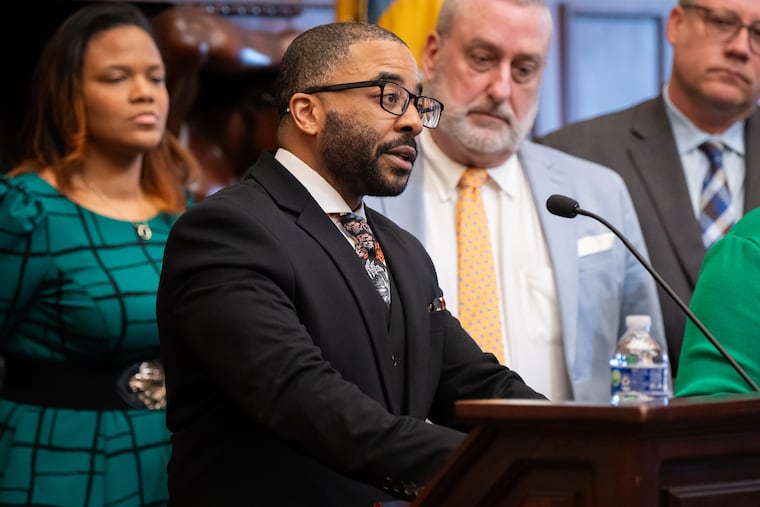
“PIDC is Philadelphia’s partner for business growth,” said Kevin Lessard, a senior vice president at the organization. “We help businesses, nonprofits, and developers overcome barriers to expansion by providing financing and real estate solutions that make starting, staying, and scaling in the city possible.”
To qualify for a loan through PIDC, your business must be located within the city, have operated for at least two years, and earn at least $100,000 in annual revenues. Special considerations may be made based on what the funds will be used for (i.e. building in a low-income area) or whether you’re a “disadvantaged” business owner. Personal guarantees and collateral are also normally required.
Loans can be used for equipment and property as well as working capital needs and “soft” costs like legal, accounting, permits, and appraisals. One of the more popular uses of the loans is for commercial real estate financing, where financing can be used to acquire and renovate property or to fund new construction.
Philly success stories
For Alexander Sherack, a co-owner of Korea Taqueria, an eatery with several locations in Philadelphia, PIDC financing fit the kind of deal he was looking for.
“We needed a property that was zoned commercial and mixed-use plus working capital so it wasn’t a typical path for a traditional bank loan,” he said. “We went with PIDC because it helped us replace rent with ownership — and our property turned out to be a hidden gem.”
Businesses can apply online and will then go through an underwriting and due diligence process which usually includes submitting financial reports, bank statements, and tax returns, along with a business plan and forecast. Corporate documents such as bylaws and articles of incorporation are also required. Once the loan is received, there’s ongoing reporting and other compliance requirements, which include regular submission of financial information and updating any major changes in the business.
Kia Jones owns Past Your Bedtime childcare in West Philadelphia and used PIDC financing for both working capital and renovations.
“The staff there made it very easy,” she said. “Any questions that I had, they were right on it.”
Pros of PIDC loans
PIDC funding can be a great bridge to a traditional bank loan. Some applicants who may find themselves turned down for a bank loan may still be able to receive funding from the PIDC.
PIDC takes more of a holistic, mission-driven approach. If a traditional bank turns you down, PIDC may still structure a deal — particularly if your project creates jobs or revitalizes neighborhoods. Getting PIDC involved may also encourage traditional banks to offer additional funding both now and in the future.
PIDC loans generally have much lower interest rates than a traditional bank loan. Milk Jawn’s Wilson, for example, accessed a special 0% interest program in early 2022 through PIDC, a major cost savings in a time of rising interest rates. (This was part of a one-time pandemic relief program.)
Finally, the PIDC provides education, support, and networking programs to help their community of borrowers manage and grow their businesses. And the connections can pay off.
“We were able to meet partners of the PIDC,” Jones said. “One partner program called Boost Your Business got us a $50,000 forgivable loan. The organization is also very familiar with city grants and other local funding options."
Real talk
As helpful as the organization can be, business owners shouldn’t expect to get immediate funding.
Sherack recommends starting early and “building a transaction timeline” into any agreement where property is being purchased.
“Don’t assume quick money,” he said. “Submit your documents fast and press for clarity on timing so you don’t lose the deal.”
Wilson agrees and said she had to get a loan from a family member while she waited for the application process to complete.
“We’re a mission-driven lender using public and public-private capital, so every deal requires careful underwriting and a clear path to economic impact,” Lessard said. “Unlike conventional lenders, we tailor each financing package to the business.”