How Philadelphia merchants can get help paying for improvements, equipment, and security| Expert Opinion
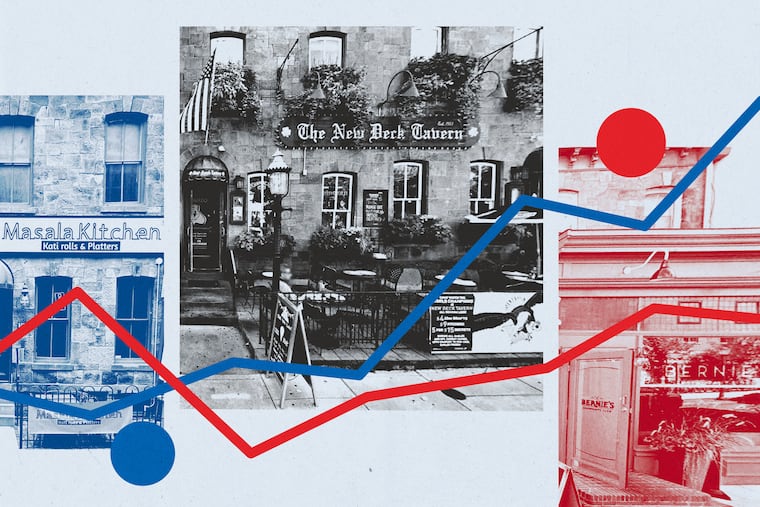
Between Philadelphia Department of Commerce and the Merchants Fund, several programs can help your business get money for improvements.
Running a retail or restaurant business in Philadelphia isn’t easy.
But some local programs can provide much-needed cash for specific purposes like equipment purchases, store improvements, and security.
Here are four to consider.
The Storefront Development Program
Operated by the Philadelphia Department of Commerce, the Storefront Development Program provides as much as $15,000 in matching funds to upgrade and beautify your storefront, including masonry and brick pointing, exterior painting, new windows or doors, facade lighting, signage and awnings, see-through security grills, cornices, and similar enhancements. Only businesses in certain commercial corridors are eligible and projects must be planned and approved in advance.
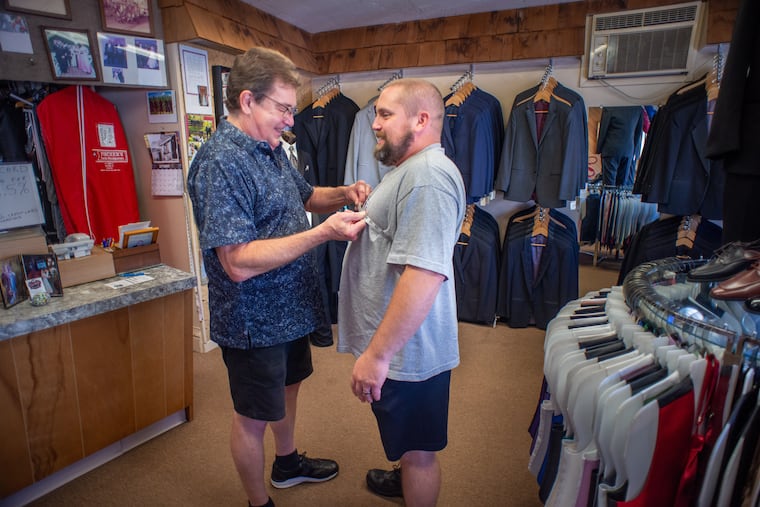
Justin Coleman, owner of Bake’n Bacon in South Philadelphia, used the program to replace deteriorating windows, update doors, and repaint his storefront’s exterior.
“The program helped us cover half the expenses for our 11-foot windows, which was a tremendous assistance,” he said. ”The new paint made a significant difference, and the upgrades to the exterior of my business improved visibility and curb appeal.”
InStore Forgivable Loan Program
Also administered by the city’s Department of Commerce, the InStore Forgivable Loan Program offers forgivable loans of up to $100,000, which are interest-free for the first five years. They can be used for interior build-outs, equipment purchases, and other improvements.
Forgiveness is given if the business is open and operating at the same location for the full five-year term. Like the Storefront Development Program, only businesses located in certain areas of the city are eligible.
Business Security Camera Program
The city’s Department of Commerce also provides up to $3,000 in matching funds for businesses and property owners that install exterior security cameras through the Business Security Camera Program.
Companies that participate must register their cameras with the Philadelphia Police Department’s SafeCam system, so police can request access to footage when needed. Participants must either own the property or have permission from the landlord and can only use contractors approved by the city. The application process also requires photos and cost estimates.
“I wanted to have as many exterior security cameras around my storefront, as there can be a lot going on out there,” said James Singleton, owner of men’s clothing store Smooth Like That in Olney. “These cameras are good for the commercial area, making everyone feel safer.”
Stabilization grants
The Merchants Fund was founded in 1854 in Philadelphia to initially support retired merchants with pensions. But today the fund aids active small businesses with financial needs.
The fund offers stabilization grants, which are intended to help stabilize a business when it can identify a specific issue or challenge that it doesn’t have the financial means to address, said Jill Fink, the fund’s executive director.
“Often these are capital expenses — equipment, repairs, or improvements — that have a real shelf life, and small businesses simply don’t have the thousands of dollars needed to replace them,” she said. “Our goal is to make an investment that actually fixes something so that the business can keep operating, serve its neighborhood, and in some cases create a new revenue stream.”
The fund provides one-time grants of up to $10,000 to eligible Philadelphia-based small businesses. They must be independently owned; have a physical storefront, food truck, or kiosk; have been in business for at least two years; and demonstrate financial need, with annual revenue between $50,000 and $750,000. Professional services firms, nonprofits, and real estate, childcare, and eldercare businesses are not eligible.
At the Link Studios in Old City, which sells hair and beauty products and services, the fund helped owner Carla Clarkson turn an unused space into something functional. She used the grant to buy shelving, storage, air purifiers, heating and air, and paint. She was also able to access coaching and mentorship from other business owners.
“The networking alone was incredibly valuable,” Clarkson said. “I met other entrepreneurs and nonprofit leaders, and that directly led to new opportunities for my business.”
Fink, a former business owner, stresses the additional resources that her fund provides beyond just grants.
“We work to try and find ways to connect businesses with each other because being a small-business owner can be a very lonely place,” she said. “There’s lots of times in their business they might have friends or family that don’t necessarily understand the stress and pressure that a small business is under.”
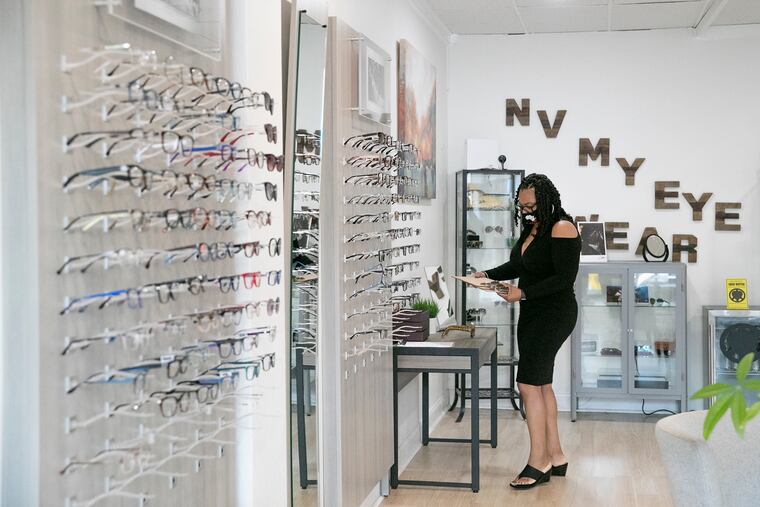
When machines at the NV Optical store in West Philadelphia went down, owner Tiffany Easley said, the business couldn’t afford the necessary repairs, and the Merchants Fund was an enormous help.
“It was less than 30 days from application to repair. The timing lined up perfectly and made a huge difference for our business,” she said. “They don’t just give you money. They understand small business struggles and connect you to resources that are vital to long-term growth.”
The Merchant Fund’s next enrollment period opens March 15.
Whether you’re pursuing a City of Philadelphia program or a stabilization grant from the Merchants Fund, your business is expected to be licensed, registered, and have all necessary permits from the city and state. And it must be current on both federal and local taxes or enrolled in an approved payment program.