This small-business owner jumped for joy when the Supreme Court struck down Trump’s tariffs. Now she wants a refund.
The Trump administration is accepting requests for tariff refunds, but some are skeptical the money will come through.
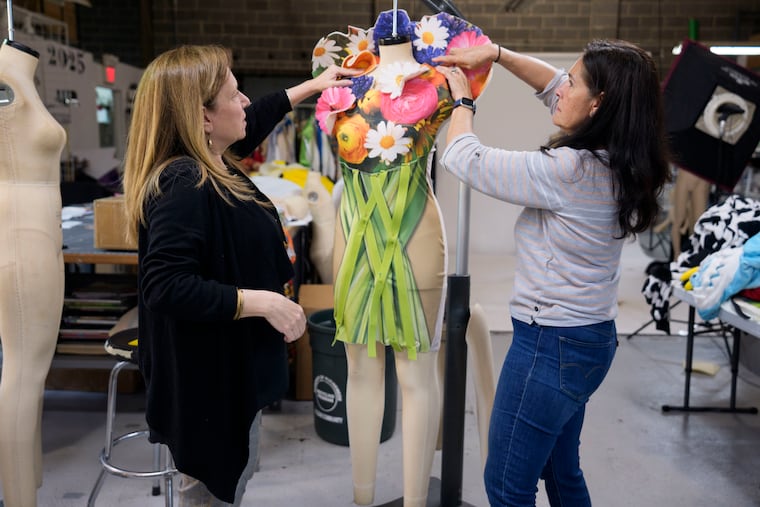
When the U.S. Supreme Court in February struck down President Donald Trump’s signature global tariffs, Jodi Berman jumped out of her chair.
“It’s over!” she yelled. “It’s over!”
The trade war had taken a toll on Berman’s South Jersey Rasta Imposta/Imposta Costumes, which imports materials from China — a country whose goods at one point last year faced a 145% tax imposed by Trump. Those extra costs were footed by American businesses.
But now, a year after Trump upended global trade in a bid to revive U.S. manufacturing, firms could see some relief. The Trump administration this week started accepting requests for tariff refunds from businesses that paid $166 billion in import taxes that the high court has since ruled were unconstitutional.
Some businesses say they are skeptical the refunds will come through, given that Trump attacked the court’s decision and encouraged companies not to apply. And the president has threatened to impose new tariffs, based on different legal grounds, that could yet again disrupt trade and supply chains.
“A lot of our members wonder why the government is so intent on punishing them, despite all the small-business pains documented over the last year,” said Dan Anthony, executive director of We Pay the Tariffs, a coalition that opposes the taxes.
“The deck feels stacked against small businesses who just want to expand and create good, American jobs,” he said.
U.S. Customs and Border Protection, the federal agency that’s overseeing the process, has said it expects to provide refunds within 60 to 90 days of receiving a request from an eligible importer or broker.
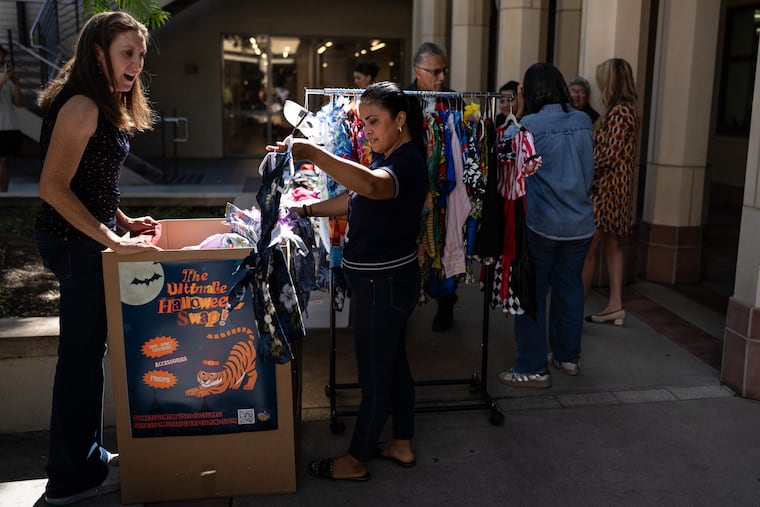
At Imposta Costumes in Runnemede, Berman has been getting paperwork in order and hopes to get a refund for several thousands of dollars spent on tariffs.
“It’s a fluid situation that could change on a dime again,” she said.
Berman’s business partner and brother, Robert Berman, told The Inquirer last spring that his company could go under if the high tariffs on Chinese goods remained in place.
Since then, China retaliated with its own tariffs, and the two countries ultimately agreed to reduce trade barriers. Trump slashed the tax from 145% to 30% and China dropped its retaliatory tariff from 125% to 10%.
The lower rate meant Imposta could get by through Halloween and Christmas, but “it put a big bite into our budget,” Berman said. The company held off on buying a new computer, for example.
“It killed our cash flow,” she said of the tariffs. Costumes are very price-sensitive, Berman said, so they didn’t raise prices.
More broadly, some consumers may get money back from delivery companies like FedEx and UPS, which have said they’ll seek refunds for their customers.
Not every business that buys materials overseas is counting on a refund.
Businesses that didn’t import goods directly can’t get refunds from the government — even if they absorbed some of the cost of the tariffs from their suppliers.
“My hands are tied,” said Howard Katz, who owns a fabric business in Northern Liberties that gets most of its material from China. Katz Leatherette Co. has spent about $10,000 on tariffs since last year, he said.
“I have to wait for the people I purchase my material from. They have to get refunds from the government, and then I’m at their mercy as to what they’re gonna give me,” Katz said.
Some importers are still charging Katz for tariffs, he said.
“They say, ‘We’re waiting for the dust to settle,’” Katz said. “What dust is there? The Supreme Court said it’s illegal.”
He said he hopes to get some of his money back. But “I’m not optimistic that I will,” Katz said.