Chamber of Commerce sues Trump to block $100,000 fee for H-1B visas
The powerful business group said the $100,000 fee will hurt American businesses in its first lawsuit against the administration this term.
The U.S. Chamber of Commerce sued the Trump administration Thursday to block steep new fees in the H-1B visa program, alleging that Trump’s changes to the legal immigration pathway widely used by Silicon Valley are illegal.
The new $100,000 visa fee violates the Immigration and Nationality Act, the prominent business group argued in a lawsuit filed in the U.S. District Court for the District of Columbia.
The business group called the fee “not only misguided policy” but also “plainly unlawful” and is requesting that the court block the fee and declare it exceeds the executive branch’s authority.
The chamber’s lawsuit is not the first against the new visa fee, but it’s significant because the chamber is one of the most powerful and largest business groups in Washington.
“The new $100,000 visa fee will make it cost-prohibitive for U.S. employers, especially start-ups and small and midsize businesses, to utilize the H-1B program, which was created by Congress expressly to ensure that American businesses of all sizes can access the global talent they need to grow their operations here in the U.S.,” said Neil Bradley, executive vice president at the U.S. Chamber, in a statement.
A request for a comment from the White House was not immediately returned.
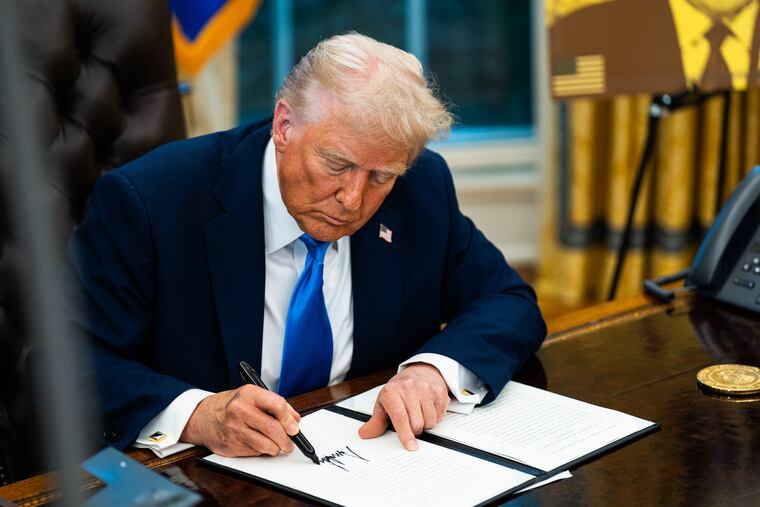
The president had signed an executive order to allow wealthy foreigners to pay $1 million for a “gold card” for U.S. residency and companies to pay $2 million for a “corporate gold card” that would permit them to sponsor one or more employees.
The Trump administration said it arrived at the $100,000 fee for H-1B visas because it would deter companies from using the program to bring in entry-level employees and encourage employers to use the program strictly to recruit “the great engineers” and “impressively detailed executives,” Commerce Secretary Howard Lutnick said at the time.
Generally, employers rely on H-1B visas to hire foreign workers with specialized skills, usually in science and technology, when they cannot identify American workers to fill those jobs. Tech companies tend to be the largest beneficiaries of such visas, but employers in manufacturing, finance, education, retail, and healthcare also use the program.
The White House’s announcement of the policy change in mid-September resulted in days of chaos and confusion for H-1B visa holders and companies nationwide that use the program to bring workers in from abroad. The administration later clarified that the changes do not apply to current visa holders.
Before the policy change, about 85,000 new H-1B visas were available each year, although Congress exempts universities from that cap. Last year, the government received about 425,000 H-1B visa petitions, and recipients were selected through a lottery.
H-1B visa application fees depended on employer size and status but rarely exceeded $5,000 in total, excluding lawyer’s expenses.