Most hemp products with THC are now banned. What does this mean for legal weed?
Legal weed dispensaries are unaffected. Gas station, corner store, and wellness store THC products will be under fire.
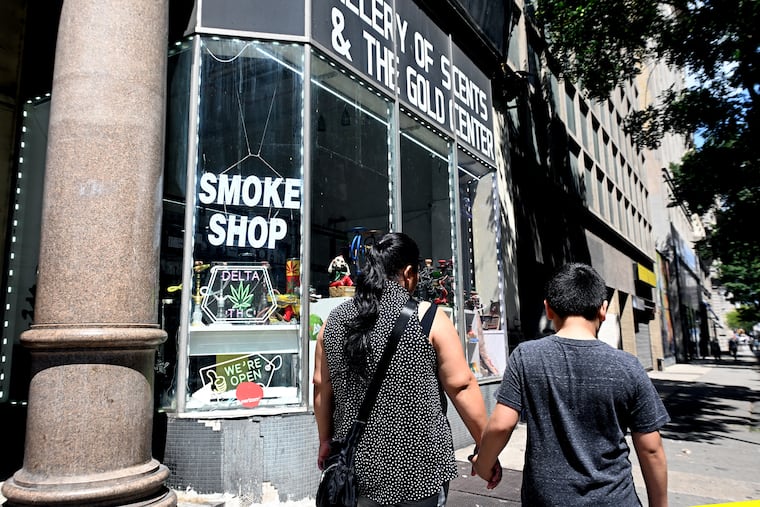
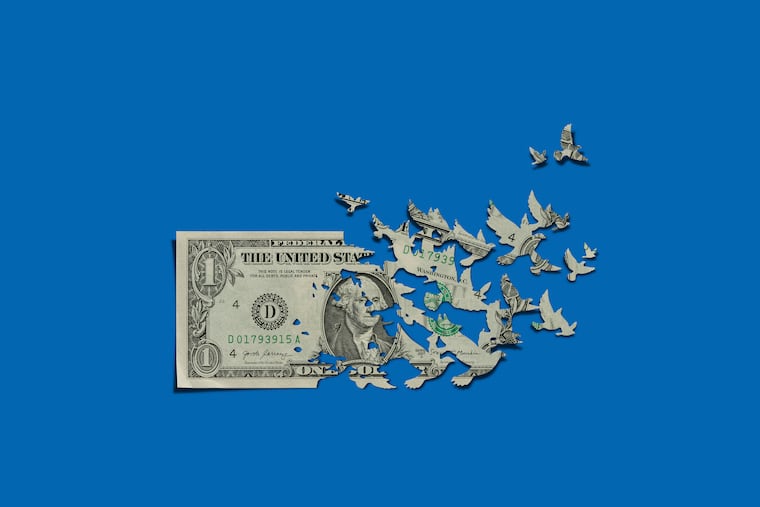
A provision tucked into the funding deal that ended the country’s longest federal government shutdown bans unregulated hemp products that contain THC, the psychoactive compound found in cannabis.
The newly enacted intoxicating hemp ban will target any hemp-based products with 0.4 milligrams or more of THC in a single container. Hemp producers and retailers will have a yearlong grace period before enforcement begins.
This ban will especially impact manufacturers and retailers who deal with hemp-based THC products like Delta-8, a less-potent yet still-psychoactive hemp product, and THCA, a non-intoxicating cannabinoid, until it is heated, which then converts it into intoxicating THC.
Is THC banned now? Will the THC ban affect dispensaries?
Marijuana is still not federally legal, so on the federal level, THC has always been illegal. The 2018 Farm Bill only allowed farmers to grow hemp with little to no traces of THC.
This new ban now cracks down on hemp products with THC, such as Delta-8.
However, nearly 40 states — like Pennsylvania — have medical marijuana programs, and 24 states — like New Jersey — have legalized recreational marijuana. In these states, regulated THC products sold at state-licensed dispensaries are still legal and remain unaffected by the new hemp ban.
Hemp industry expects a doomsday scenario
The $28 billion industry’s concern is that many hemp-derived products, including ones with non-intoxicating CBD, now found in gas stations and wellness stores in Philadelphia and elsewhere, exceed the newly enacted limit.
According to the hemp business advocacy organization U.S. Hemp Roundtable, this legislation will shut down an estimated 95% of hemp-derived THC and CBD businesses and result in the loss of $1.5 billion in tax revenue.
Local hemp farmers are dreading what is to come, but they have received no word on what enforcement will look like.
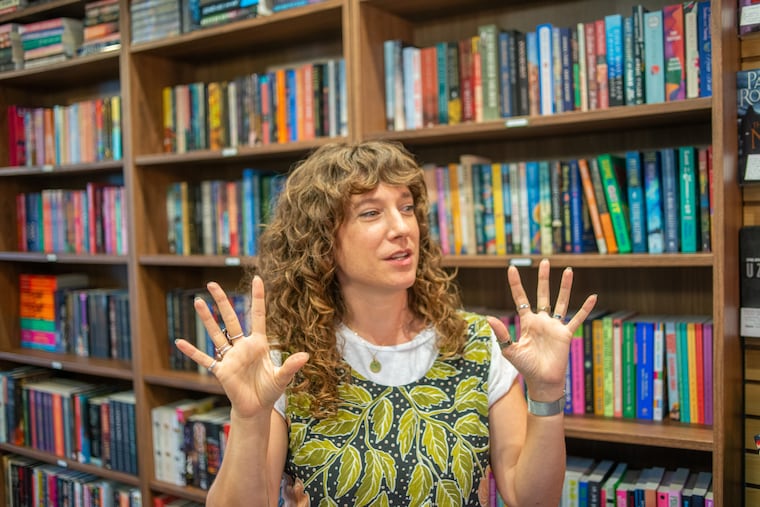
“We literally found out about it last night, and we don’t know what to do,” said Matt Pruette, owner of hemp and CBD operation Microgrown Farm and Market in Delaware County. “We are not a smoke shop or a gas station, we’re a legitimate cannabinoid store. It’s not pot. It’s CBD and other products to help with sleep, anxiety, and products for pets.”
As growers await guidance, they say they won’t be investing heavily without more clarity. Pruette said there’s a chance he would sell his business and property if regulations end up hurting the industry.
How was hemp legal in the first place?
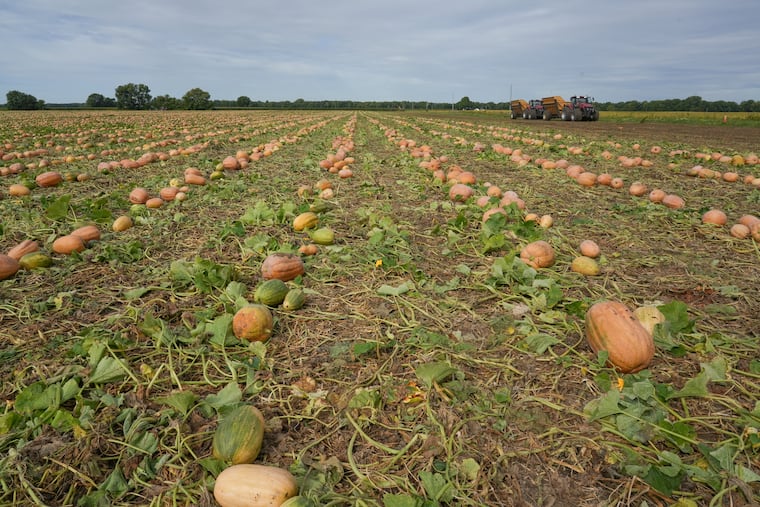
The 2018 Farm Bill opened the door for U.S. farmers to grow hemp — a type of cannabis plant that carries less than 0.3% of THC, known as Delta-9 tetrahydrocannabinol. It’s an intoxicating cannabinoid found in marijuana that delivers the hallmark psychoactive effects, resulting in a “high.”
Using a loophole in the bill, companies began synthesizing marijuanalike products from the hemp they grew.
According to the 2018 bill, all cannabis products are considered “marijuana” except for hemp. Now, years later, the hemp industry has expanded to lengths lawmakers didn’t initially conceive, said U.S. Sen. Mitch McConnell (R., Ky).
Companies exploited the loophole and then marketed their products “to children in candylike packaging” and sold it “in easily accessible places like gas stations and convenience stores,” McConnell said.
Republican Sens. Rand Paul (Ky.) and Ted Cruz (Texas), and 22 Democrats attempted to amend the bill to avoid cratering the hemp industry but were defeated by McConnell, who authored the original 2018 bill, and other senators, who kept the hemp-ban verbiage in the spending deal.
“This bill contains language that has been airdropped in that will destroy hemp farming in Kentucky and across the United States,” Paul said. “Tucked away in this spending package is a provision that will shut down the hemp industry across the United States.”
Inquirer analysis finds smoke shop weed to be contaminated
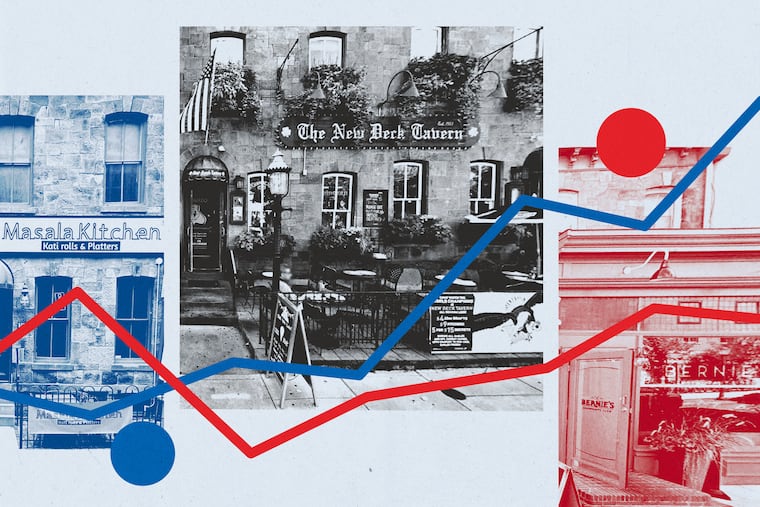
Many of the products under fire in the new ban can be found in gas stations, smoke shops, and wellness stores across the region.
This summer, The Inquirer commissioned lab testing of 10 hemp products from 10 stores across the region.
The results? Ninety percent of the hemp products advertised as legal were in fact at THC levels 200% to more than 2,400% over the federal limit. Some local hemp samples contained hemp-derived THC variants that were as potent as dispensary-grade marijuana, according to The Inquirer’s analysis. Seven samples turned out to be conventionally grown weed, labeled as a hemp product.
There were also illegal contaminants, including the fungus aspergillus, the neurotoxin pesticide carbofuran, and the carcinogenic metal chromium, that were found in The Inquirer’s lab-tested samples.