Iran war is the worst hit to the global economy since COVID, World Bank says
The bank says that the war is slashing global growth prospects and that a prolonged conflict could tip dozens of developing nations into years of stagnation.
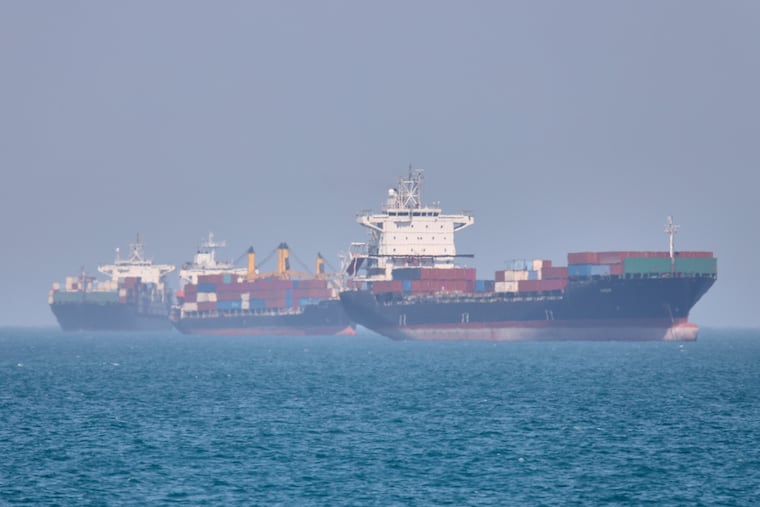
The global economy — tested by years of war, pandemic, and trade tension — is beginning to fray, as fallout from the U.S.-led war on Iran dents prospects for growth, the World Bank said in a new forecast.
World output this year is expected to grow at an annual rate of just 2.5%, down from 2.9% in each of the past two years, and the slowest pace since the onset of the COVID pandemic in 2020, the bank’s top economists said.
Soaring costs for oil, gas, fertilizers, and industrial chemicals caused by the prolonged near closure of the Strait of Hormuz, which the bank calls “the biggest supply shock in 50 years,” is straining developing and advanced economies alike.
“The global economy is not falling off of a cliff, but it has downshifted sharply, and many developing economies are entering this shock with thinner buffers and fewer shock absorbers,” said Ayhan Kose, the World Bank’s deputy chief economist.
The new forecast is gloomier than the bank’s January outlook, which saw the global economy largely weathering an era of trade uncertainty arising from President Donald Trump’s tariffs.
Bank specialists cut their January forecasts for two-thirds of the world’s nations, with Turkey, Bangladesh, and South Africa suffering notable downward revisions.
Nations adjoining the Persian Gulf war zone are expected to be hit hardest: Kuwait, Iraq, and Qatar will see “near zero” growth in 2026, Kose said. The United Arab Emirates is projected to grow at a 2.4% rate this year, less than half the pace the bank expected before the war.
The 2020s appear almost certain to become a “lost decade” for dozens of developing nations that have made no progress closing the income gap with the advanced economies, the bank’s Global Economic Prospects report said.
The United States — fueled by mammoth investments in artificial intelligence — remains a relative bright spot, expected to grow at a 2.2% annual rate, up slightly from last year’s pace, and much faster than Europe and Japan. U.S. investments in AI-related infrastructure exceed such spending by all other nations combined, the bank said.
China is set to grow at a 4.2% rate, down from 5% last year and 0.2 percentage points below the bank’s January outlook.
The war-related shock is occurring against a downbeat long-run backdrop. Global growth has softened steadily since the early 21st century, sapped by the impact of aging populations, declining private investment, trade tensions, and rising public debt, said Indermit Gill, the bank’s chief economist.
“The world economy is a lot less resilient today,” Gill said.
The bank’s new forecast assumes that Middle East energy and commodities trade will return to normal by the end of July and that Brent crude, the global benchmark, will average $94 per barrel this year.
But with the U.S. and Iran continuing to trade blows, despite a nominal ceasefire, bank officials noted the risk of further economic erosion.
If the war continues beyond July, oil prices will average $115 a barrel for the year, driving global growth to an anemic 2.1% rate, the bank said.
An energy shock that drives down stock and bond prices would take an even larger toll on the global economy. Growth in that case would struggle to reach a 1.3% rate.
Public debt burdens are another worry. With annual budgets already deep in the red, the U.S. and other major nations would have limited ability to increase public spending in response to an economic crisis, as they did during the pandemic and the 2008 financial crisis, the bank warned.
For now, the global lending body is making available at least $50 billion in financing to buttress social programs in developing nations hurt by the slowdown. If the crisis persists, the bank said, it is prepared to roughly double that figure over a 15-month period.
“Our job is to help countries steady the ship, keep reforms moving, and emerge stronger on the other side,” said Ajay Banga, the bank’s president.