Behind the greens: Tips for hiring a landscaper
From hiring landscape architects, to frequenting garden centers and trying to DIY, here are some tips for refining your outdoor space.
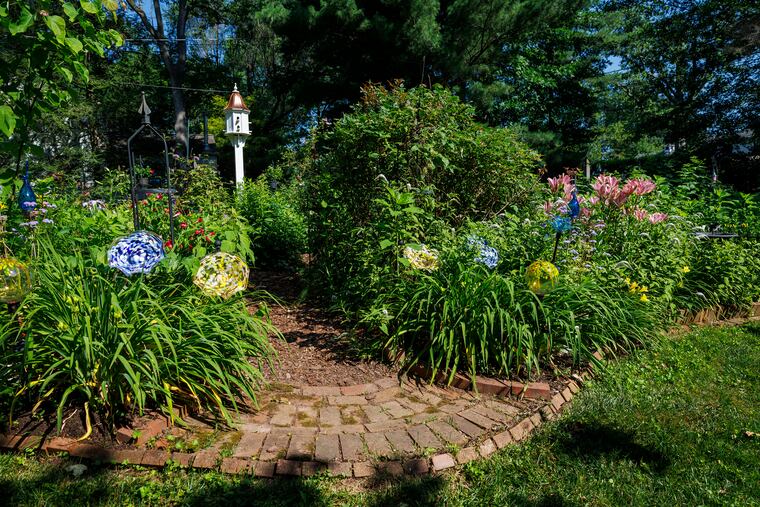
Getting help with landscaping isn’t limited to planting bushes and flowers. It’s also about hardscaping such as patios and walks, placing trees in optimal spots, and plotting out your property.
You can work with a landscape architect or designer or a landscaping company to plan or install entire environments. Some garden centers offer landscaping services. You can also DIY.
If you hire help, there’s no single answer about whom to hire. Some landscaping companies do everything from paving to planting. Most landscape architects do only designs, meaning you’ll have to hire other companies to complete your project.
To aid your search, access Checkbook’s ratings for landscapers, landscape designers, garden centers, and other local service providers free until Oct. 5.
Getting ready
Before hiring a landscape pro, consider your space and what you want to do with it, knowing that your plan will evolve. Think about:
What’s your budget? A few thousand dollars could pay for updating an existing garden but not a complete renovation or hardscaping work.
Are you going for a theme, such as English meadow or Zen-meditation garden?
Do you want to replace everything, or preserve and complement what’s already there?
Do you need hardscaping, such as a wall, path, or patio? A new fence, deck, or gazebo?
Do you want to retain or create a large open space for kids or pets?
Do you want plants that require little maintenance, or are you willing to keep things up?
Do you want flowers that will provide constant color? Fruit and vegetable plants?
Do you want plantings that create privacy?
Do you need to solve drainage problems or issues with deer or other garden-chomping critters?
For inspiration, consult gardening and landscaping websites; magazines, books, and social media accounts; or walk through your neighborhood.
Selecting design help
Landscaping companies can do both design and installation, or they can provide a plan to be implemented by a pro gardener, hardscaper, or homeowners themselves.
You can also hire a landscape architect or designer to draw up plans. Some design pros will also supervise the installation.
Show potential designers your property and listen to their ideas — many will offer novel suggestions. Look at their online portfolios, or tour spaces they have designed. Seek out feedback from previous clients.
Not all landscape designers or landscape installers have expertise in all areas. If you want a stone wall or path, an irrigation system, or regrading, it’s best to seek companies experienced at those tasks.
Get a written agreement with specifics on what the designer will do, including detailed drawings and notes about what will be planted where.
Your role in planning
As the designer’s work progresses, review the plan and give feedback. Specific questions to ask include:
How will the plants recommended by the designer fit your tastes and needs? What will you have to do to maintain them? If it sounds like too much, ask for revisions.
How large will your new plants be when they mature? Discuss how your property will look both right away and years from now.
Choosing and coordinating with the installer
Ask potential pros to provide addresses of properties where they have done installations, and go look at the work. When you consult companies, get answers to the following questions, and include them in the contract you sign:
How do you keep things up? Conflicts between landscapers and customers frequently occur when plants die sooner than expected.
What guarantees do you get? If you do your part, but plants die or fail to thrive, will the company replace them for free? How long are structures guaranteed to last?
How quickly can work start, and how long will it take?
Will the company take proper steps to identify and avoid underground utility lines? If a company tells you this is unnecessary, call 811 to confirm.
Will the landscaper use pesticides or herbicides? If so, what precautions are necessary to prevent harm? If pesticides are to be used, require the company to prove it will use a certified applicator.
How large a deposit is required? It’s reasonable for companies to require small down payments so they don’t have to front the costs of plantings and other materials. But the power to delay payment until work is done as agreed provides great leverage.
Getting a fair price
Once you have a final landscaping plan, use it to obtain price quotes from multiple installation companies. Get a fixed-price contract for all work and materials.
Shopping around is key. Checkbook’s undercover shoppers have found tremendous price variation from company to company for the same work; often some companies charge twice what others do for the same tasks.
If you want a landscaper to provide continuing maintenance services, make sure you understand what you’ll get for the price — and what will cost extra.
Supervising the work
Stay engaged. Once work begins, check in daily. If you have questions or complaints, bring them up.
Check plants as they arrive and before they are planted for signs of trouble.
If you do your part but plants don’t thrive, immediately ask the company to inspect them and, if necessary, replace them.
Delaware Valley Consumers’ Checkbook magazine and Checkbook.org is a nonprofit organization with a mission to help consumers get the best service and lowest prices. It is supported by consumers and takes no money from the service providers it evaluates.