J. Crew Factory and other outlets are often selling worse-quality goods than main stores | Expert opinion
About half of the off-price stores investigated by Consumers’ Checkbook are selling made-for-outlet goods, usually with cheaper fabrications.
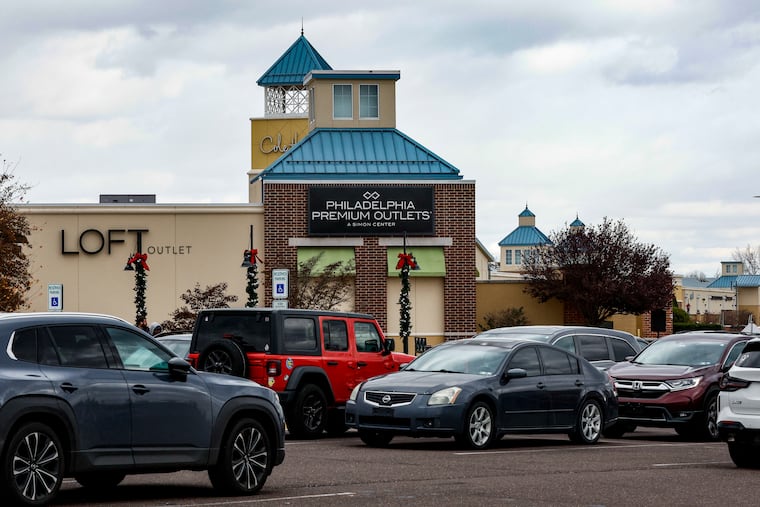
The words outlet mall or factory store make many shoppers envision marked-down designer bags, slightly damaged furniture, or last season‘s fashions at steep discounts. But a new study by Consumers’ Checkbook found that many are churning out cheaper merch specifically for their “discount” locations. Checkbook staffers spent three months visiting 40 brand-name outlets, scrutinizing online terms and conditions to learn what exactly off-price stores were selling.
What we found was that about half the off-price stores we investigated — particularly for mid-priced apparel stores like J. Crew and Banana Republic — are selling made-for-outlet goods, usually with cheaper fabrications and fewer fine details than mainline store merchandise.
Other factory stores mix made-for-outlet products with clearance items from their original brands. Houseware chains and some high-end designers operate genuine clearance centers with discounted merchandise that once appeared in regular stores: a floor model Pottery Barn dresser; last season’s Burberry trench coat.
The evolution of outlet shopping
Outlet stores started as small, manufacturer-run businesses — often near factories — selling past-season, overstock, or slightly damaged products at big discounts. Outlet malls began popping up in the late 20th century, fueled by big name factory stores from the likes of L.L. Bean and Coach. But the rise of fast fashion — and an increasingly bargain-hungry populace — meant shoppers wanted more deals.
So brands like Ann Taylor, Gap, and J. Crew opened off-price stores. These became so popular that they were impossible to fill with leftovers or older goods. So many retailers started manufacturing completely different, lower-quality, lower-priced merchandise for their “outlet” or “factory” locations.
Often, these outlet stores have obtuse signage, product labels, and logos. Many outlet stores bear signs with the company name but no mention of outlet, clearance, or factory. Some use different labels and logos on outlet merchandise, but it’s often an if-you-know-you-know secret.
“Companies are subtle about branding and labels for outlets because they don’t want to lose their magic,” said Gonca Soysal, who led a study on outlet shopping when at the University of Texas in Dallas. “If they say, ‘this is a different product,’ then that illusion vanishes.”
Another hint that the stuff at outlets may never have been on the floor at your local mall? Many brands now operate more off-price stores than regular price ones. For instance, there are 96 Ann Taylor stores — but 122 Ann Taylor Factory stores — across the U.S., and just 93 Nordstrom department stores compared to 269 Nordstrom Racks.
Yes, prices at outlet stores are usually lower than those at mainline stores for similar items, but even a casual glance at a fabric composition tag or a look at the stitching on a bag reveals significant quality differences. If you want to do some outlet shopping, arm yourself with a few tips.
Know which stores offer only made-for-outlet merchandise
Checkbook made a list of stores that only (or mostly) stock made-for-outlet items. If you shop at them, you’re getting a completely different product than you’ll find at department stores or mainline shops. “A brand you know at full price might have a certain standard of quality that isn’t the same at the outlet,” said Pamela N. Danziger, an outlet mall expert and author of Why People Buy Things They Don’t Need.
Don’t believe tags with ‘compare at’ prices
These are outlet and off-price marketing tricks and don’t mean anything. If an item came from an original store or maker, it’ll usually have a price tag reflecting that (i.e. a mainline Nordstrom tag), sometimes with little low-tech stickers planted over original prices.
Know your brand
Whether you’re bargain hunting for last-season or overstock stuff at a clearance center or a thrift store, it helps to be familiar with the mainline brand’s styling, fabrication, construction, and quality. This can also help you separate made-for-outlet wares from better-made original items: For instance, the ballet flats we spotted at the Tory Burch outlet have plastic soles and retail for around $120; mainline Tory ballerinas cost $200 or more and usually sport leather soles.
Expect chaos, limited sizing, restrictive return policies, and slight damage
True outlets (aka clearance centers) are a mixed bag, stocking things people didn’t buy at regular price in regular stores, floor model furniture, and, in the case of Anthropologie and Free People’s Reclectic outlets, used rental garments. Part of the reason off-price stores started producing made-for-outlet goods was that consumers got tired of this treasure hunt.
Compare prices
Check prices of similar items currently for sale at the mainline store. If Banana Republic’s regular store is running 40% off, you’ll probably get a nicer sweater or shirt there than if you buy the made-for-outlet version.
Similarly, when shopping outlet or factory stores for Nike, Polo Ralph Lauren, New Balance, and other brands that also sell stuff in department stores, Amazon, etc., compare what you’ll pay in the brand-operated stores with what you’d pay elsewhere. Our researchers often dug up better deals by buying online, not from outlets.
Check for coupons
Outlet malls and stores often have discount coupons, usually digital but occasionally old-school paper.
Delaware Valley Consumers’ Checkbook magazine and Checkbook.org is a nonprofit organization with a mission to help consumers get the best service and lowest prices. It is supported by consumers and takes no money from the service providers it evaluates. Until Aug. 5, readers can access Checkbook’s full outlets report, and all its ratings and advice free at Checkbook.org/Inquirer/outlets.