Taylor Swift’s former neighbor sentenced to two months in prison for selling fake artworks by Picasso, Warhol, and more
Carter P. Reese pleaded guilty to mail and wire fraud in May in connection with the scheme, which defrauded one victim of tens of thousands.
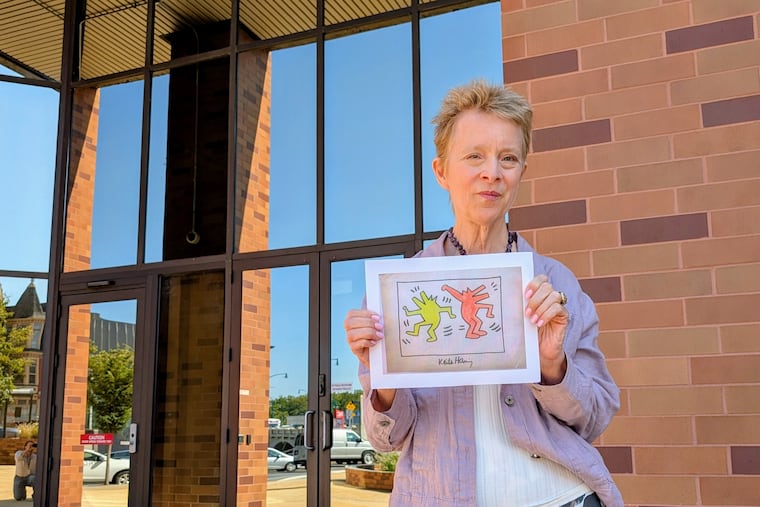
When Christine Oaklander met Carter P. Reese in 2019, the Allentown art dealer and historian was taken by his well-spoken charm, elite educational pedigree, and vast collection of artworks and antiques.
Reese — whose distinguished reputation in the Reading area includes being Taylor Swift’s former next door neighbor and once owning her childhood home in Berks County — saw an easy mark in Oaklander and persuaded her to invest $47,000 in an eclectic group of drawings that included works from Pablo Picasso, Keith Haring, and Jean-Michel Basquiat, among other luminaries.
At least, that’s what Oaklander believed at the time, she testified in federal court Friday before Reese was sentenced to 60 days in prison and four months of house arrest for dealing counterfeit art.
“Carter Reese, you have a brilliant mind and enjoyed a privileged upbringing,” Oaklander told Reese, who pleaded guilty in May. “Instead of using those advantages for good, you used them to cheat, lie, and fool me.”
In all, Reese defrauded investors like Oaklander out of tens of thousands of dollars before federal agents arrested him this spring and charged him with wire fraud and mail fraud. Prosecutors said the scheme lasted from 2019 to 2021, and saw Reese acquire the fake art from a supplier who had previously been convicted of dealing in counterfeit art and sourced the works from eBay.
Reese then used fraudulent affidavits or signatures to create a narrative for would-be investors that those works were legitimate, prosecutors said, selling the pieces off to buyers even as some raised doubts about their authenticity.
For Oaklander, that skepticism — and the eventual realization that she had been deceived — drove her to near mental collapse, she said in court Friday. In addition to her initial investment, Oaklander said she spent thousands on trips to New York City and other locations to research the history of the pieces.
Oaklander had met with prospective buyers in Reese’s growing network of clients, even persuading her own brother to invest $15,000 in the fake works. And she said she worries that there could be buyers who are unaware the works they purchased are fake.
“You conned me into acting as your front person,” she told Reese “I almost sold a fake Basquiat to one of my closest colleagues.”
Reese’s attorney, Jason Hernandez, said his client had “made some terrible and regrettable decisions,” but noted that the 77-year-old had led an otherwise crime-free life.
Reese, for his part, apologized for his crimes.
“I deeply regret my actions, and know I will not live long enough to redeem the respect of my community,” he said when given the opportunity to speak. He said he had already started auctioning off part of his expansive antiques collection to make court-ordered restitution payments to his victims.
“This is your day of reckoning, Mr. Reese,” said Judge Jeffrey L. Schmehl, delivering a sentence that includes two years of supervised release and requires Reese to pay a $50,000 fine and log 100 hours of community service.
Reese’s payments include $128,000 to Oaklander, who said after the hearing she was “very disappointed” that Reese will spend just two months in a low-security facility.
Reese’s crimes carried a sentence of up to 40 years in prison; prosecutors sought 10 to 16 months of confinement.
In hindsight, Oaklander said, there were signs that Reese’s promises about the group of artwork she purchased were too good to be true. She recalled that Reese seemed “desperate for money,” and she said he kept the pieces behind frames, preventing her from inspecting them thoroughly.
But Oaklander said she was able to regain a sense of agency when members of the FBI’s Art Crime unit contacted her with questions about Reese after discovering fraudulent works in Florida with her name on files related to the works.
With Oaklander’s assistance, agents wiretapped telephone conversations she had with Reese. And she wore a wire and visited Reese’s barn after asking to photograph his collection. Accompanying her on that day, she said, was a federal agent masquerading as her intern.
Inconsistencies in Reese’s statements about his dealings with the artwork helped the agency further its case against him, she said.
