AG Sunday says 50 million doses of fentanyl seized across Pennsylvania this year
More than half of the total came from the Philly region, the state attorney general said at a news conference.
Marking what they called a “high water mark” in the effort to combat the region’s fentanyl crisis, state and local officials announced Wednesday that they had seized 50 million doses of the deadly synthetic drug in raids across Pennsylvania this year.
Around 27 million of those doses were taken from the Philadelphia region, Attorney General Dave Sunday said during a news conference in which he pledged that his office and local law enforcement officials were “united in a common mission to stop the flow of fentanyl and traffickers.”
“Fentanyl has replaced heroin as the opioid most commonly found in the commonwealth, and it’s not even close,” said Sunday, flanked by Philadelphia Police Commissioner Kevin Bethel and other top city officials, and the district attorneys of Delaware and Montgomery Counties.
The Pennsylvania Attorney General’s Office defines a dose as 2 milligrams of the drug; law enforcement seized around 50 million doses in total across Pennsylvania in 2024, he said, meaning the state is likely on track to surpass that figure by the end of the year.
The announcement came as efforts to combat drug trafficking ramp up both locally and across the nation, driven in part by the Trump administration’s stricter enforcement of drug laws and the arrests of those suspected of dealing dangerous narcotics.
Some of those tactics have been met with criticism from lawmakers, such as the use of the military to conduct strikes on suspected drug boats from South America that officials said bring deadly drugs to U.S. shores.
FBI Director Kash Patel visited Philadelphia on Friday to announce the result of a large-scale investigation into a Kensington-based drug gang responsible for operating a 24-hour open-air drug market there for around a decade. The group had been on the radar of law enforcement for several years, authorities say.
Mayor Cherelle L. Parker, too, has pledged to crack down on drug abuse in Philadelphia, promising to end Kensington’s drug market through encampment sweeps and establishing a Neighborhood Wellness Court to encourage those arrested for low-level drug crimes to enter treatment instead of the criminal justice system.
Parker was scheduled to speak at the news conference but was “under the weather,” a spokesperson said. The city’s public safety director, Adam Geer, called each intercepted dose of fentanyl a “potential death sentence” and commended collaboration between law enforcement and government officials to address local drug issues.
Sunday, a Republican and former York County district attorney who was elected attorney general last year, cited several raids in the Philadelphia region that contributed to the seizure of 50 million fentanyl doses between January and September.
That includes 9.9 million doses in North Philadelphia in May, as well as the recovery of 200,000 doses on the 2800 block of North Franklin Street that month, he said. And a raid in September in Northeast Philadelphia yielded 2.7 million doses and two firearms, according to Sunday.
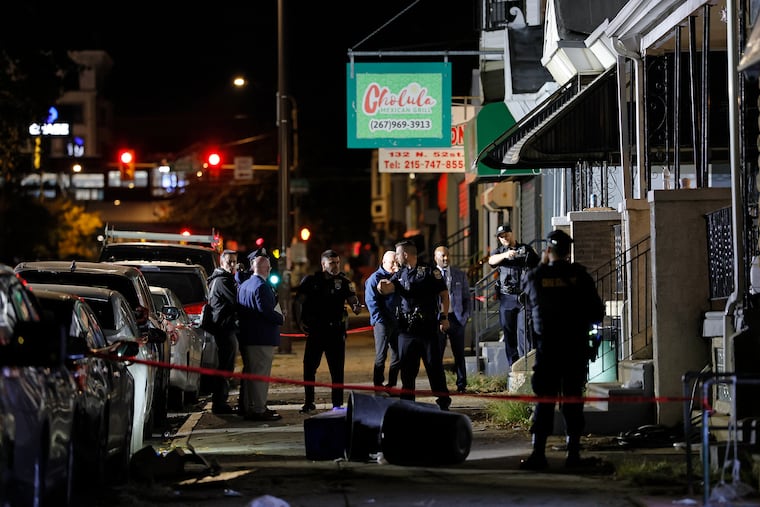
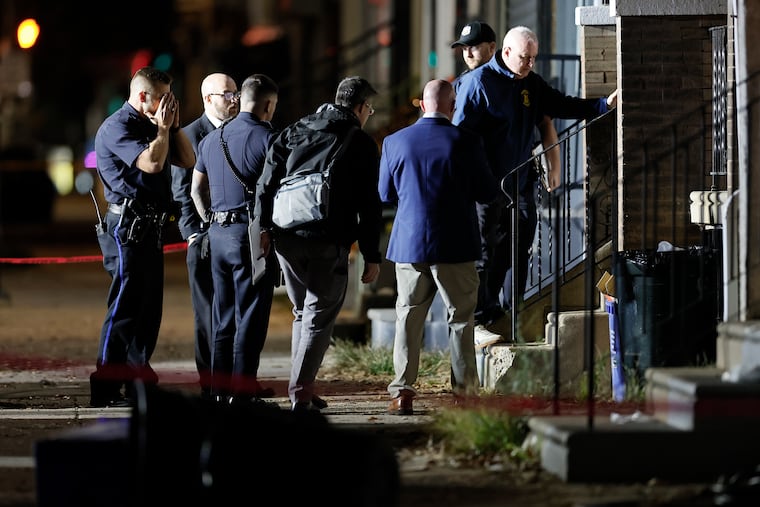
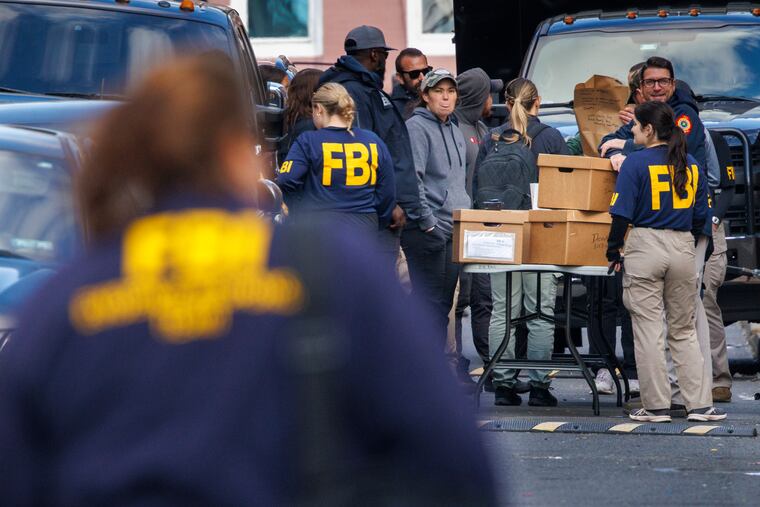
The 50 million figure for this year does not account for the early morning raid on the 3100 block of Weymouth Street on Friday, when FBI agents, Philadelphia police, and SWAT units arrested gang members accused of dealing fentanyl, heroin, cocaine, and crack and operating what officials called “one of the most prolific drug blocks in the city.”
Prosecutors have charged 33 people, including Jose Antonio Morales Nieves and Ramon Roman-Montanez, whom they described as two of the group’s leaders.
Patel’s first major appearance in Philadelphia that afternoon came as the Trump administration continues its push to combat suspected drug traffickers. The morning of the Philadelphia raid, FBI agents conducted similar operations against suspected drug traffickers in cities like Milwaukee and Pittsburgh, according to the bureau.
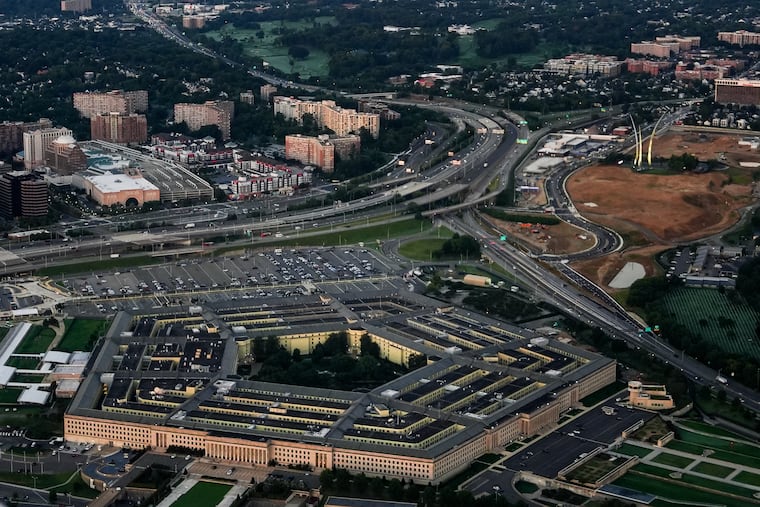
Meanwhile, the military has continued its controversial bombing of boats it says were carrying drugs in the Caribbean and Pacific seas. Defense Secretary Pete Hegseth said Monday that a recent series of strikes carried out by U.S. troops had killed 14 people who the administration believes were ferrying drugs to the nation’s border.
The strikes have drawn international condemnation and killed 57 people since September, raising questions among both Democrats and Republicans in Congress over the president’s authority to conduct such operations without their approval.