Former Philly judge who took a $90,000 payoff from Bob Brady’s campaign gets law license reinstated
Jimmie Moore can practice law again, the Pennsylvania Supreme Court’s disciplinary board ruled this week.
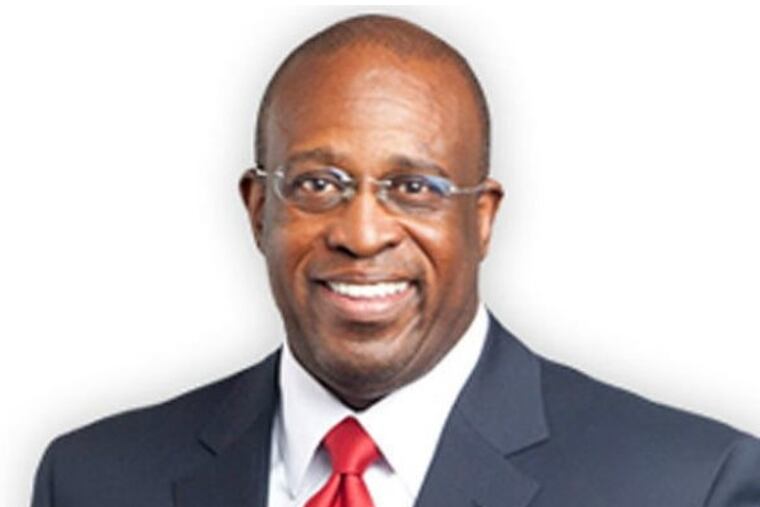
A former Philadelphia judge who took $90,000 to bow out of a race against U.S. Rep. Bob Brady in 2012, clearing the way for the congressman’s uncontested win in the Democratic primary, had his law license reinstated this week, ending a sanction imposed after his conviction.
Jimmie Moore, 74, can return to the practice of law after the disciplinary board of the Pennsylvania Supreme Court reinstated his license in a 9-3 vote. A majority of the justices later affirmed the ruling, which was announced Monday.
Moore, who served as a Municipal Court judge for more than a decade before resigning to challenge Brady, had his license revoked in 2021 after admitting he falsified campaign records to disguise the source of the money that bought his exit from the race.
He was sentenced to two years’ probation in 2019 after cooperating with prosecutors in an investigation that helped put one of Brady’s top aides behind bars and led to the convictions of two of the congressman’s staffers. Brady’s campaign funneled the money through two political consulting firms run by longtime campaign aides and disguised the payments as the sale of poll data, prosecutors said.
Brady, who retired from Congress in 2018, was never charged in connection with the scheme and has denied any wrongdoing.
Moore’s lawyer, Samuel C. Stretton, described his client as “an excellent judge and someone very loved in the community” and said he welcomed the former judge’s return to the practice of law.
The former judge envisions a “limited practice that allows him to choose his projects, with some pro bono work to help people,” according to a filing detailing the disciplinary board’s decision.
During the four years in which Moore was barred from working as a lawyer, the filing said, the judge took legal education courses to keep abreast of developments in the law and volunteered with the juvenile mentoring organization Brothahood.
Moore also wrote a detective novel under a pen name and plans to write a second book, the document said.
Asked about the reinstatement of his license this week, Moore declined to comment. But in testimony before the disciplinary board, he expressed remorse for his crime.
“Folks look up to lawyers, look up to judges,” he said. “And, you know, for a long time I just stayed in the house other than to get food and what have you, because I was so embarrassed. And I’m sorry in terms of whatever disgrace I may have brought to the bar, to the members of the bench, to my family, to those folks who believed in me.”
Even as the disciplinary board voted to allow Moore to resume the practice of law, it expressed reservations about his conduct during the federal investigation that led to his conviction. Moore remained on the bench as he cooperated with authorities and agreed to wear a wire — and he did not inform court officials of the investigation as required, board members wrote in the filing.
Three board members opposed Moore’s reinstatement to the practice of law. In a letter of dissent cosigned by board chair David Senoff and vice chair Shohin Vance, Joshua F. Wilson said Moore should not be reinstated as a lawyer. In addition to his federal conviction, they said, he “failed to thoroughly and honestly” answer questions about outstanding tax bills and debts, among other matters.
Stretton, Moore’s attorney, said that it is common for lawyers returning to practice to make mistakes on the lengthy questionnaire required to seek reinstatement and that his client had cooperated throughout the process of working to regain his license.
“He deserved to get back,” Stretton said.