His case struck down mandatory life sentences in second-degree murder cases. What’s next for Derek Lee?
Lee’s case changed the sentence for second-degree murder convictions. Now, he’s getting a chance at freedom.
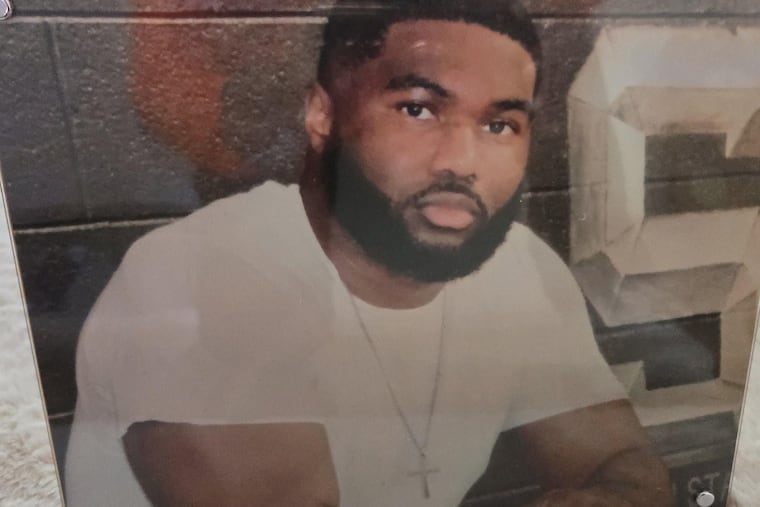
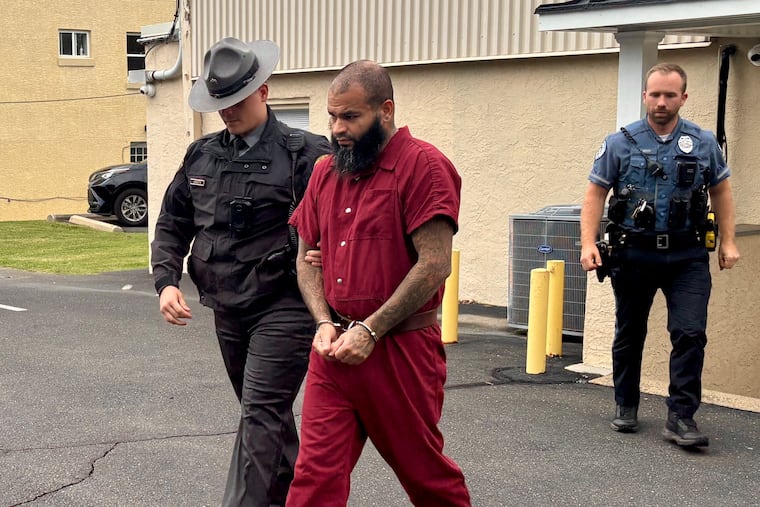
For nearly a decade, Derek Lee had been serving a life sentence for his role in a Pittsburgh murder.
Then, last month, he called his attorney.
“They overturned your case,” the lawyer said. “Your sentence has been held unconstitutional.”
“Praise be to God,” said Lee, 38. “Praise be to God.”
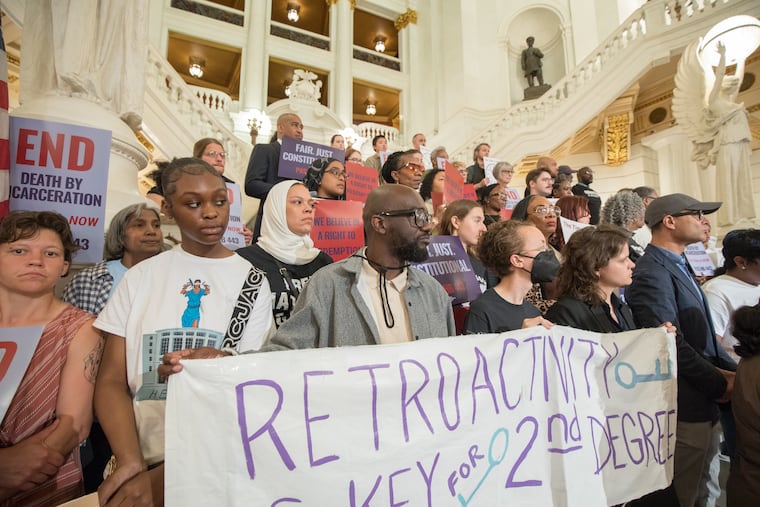
The Pennsylvania Supreme Court had struck down the state’s mandatory life-without-parole sentence for second-degree murder, ruling it violates the state constitution’s ban on cruel punishment. While the decision does not automatically apply to people already sentenced, it opened a path — and a legal fight — over whether those long condemned to die in prison may now seek resentencing.
Lee’s case was the vehicle.
The person behind the case
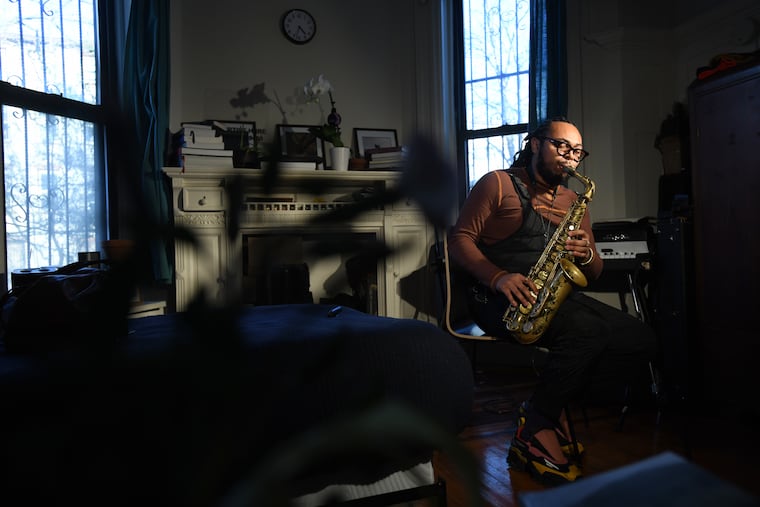
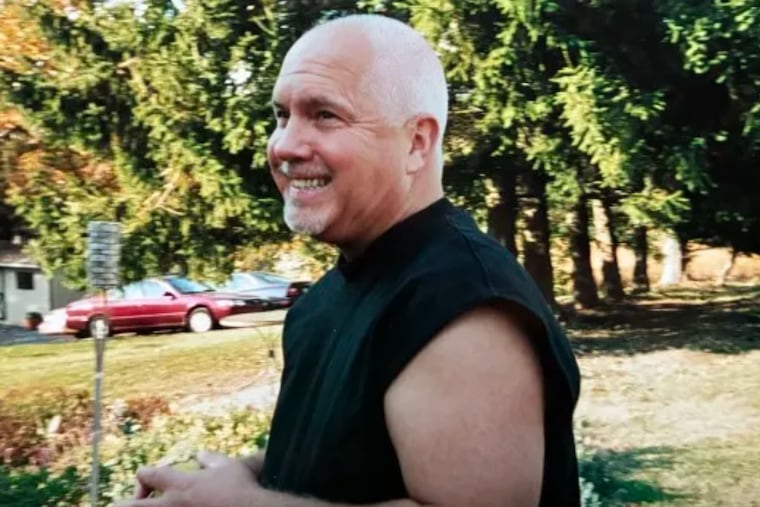
Lee grew up in Pittsburgh, a small, wiry boy, the youngest of two children in a close-knit family. He played baseball and basketball, and worked as a youth camp counselor at his grandmother’s church.
His father later moved to Ashtabula, Ohio, splitting the family across state lines. Lee went back and forth between them.
In his teens, Lee’s life shifted. He drifted into street life and graduated high school “by my teeth,” he said.
When Lee was 18, he and another man shot at a group of basketball players outside a college party. Although five players were injured, none of the bullets from Lee’s gun struck anyone. Lee was convicted of attempted criminal homicide and sentenced to seven to 14 years in prison.
When he was released, Lee’s family welcomed him home with a celebration and his mother’s seven-cheese macaroni. He was 25. He found work as a dishwasher, but struggled to stabilize his life, Lee said.
Within a year, he was arrested again.
The crime — and the law
In 2014, Lee and Paul Durham, armed with a handgun and a Taser, pushed their way into a Pittsburgh home. Police said they went at the request of the spurned ex-lover of the man living there, Leonard Butler, 44.
Inside, Lee and Durham forced Butler and his girlfriend into the basement. They ordered them to their knees. Lee struck Butler with the gun and used the Taser on him before going upstairs with Butler’s watch.
In the basement, Butler lunged for Durham’s weapon, and in the struggle, Butler was shot and killed.
Repeated attempts to reach Butler’s family for comment were unsuccessful.
At Lee’s trial in 2016, prosecutors argued that even though he did not fire the fatal shot, his participation in the robbery made him responsible for Butler’s death under Pennsylvania’s felony murder law. A jury convicted Lee of second-degree murder, robbery, and conspiracy.
Lee’s sentence was automatic: life in prison without the possibility of parole. That legal structure — not the crime — became the focus of Lee’s constitutional challenge.
‘I had to do something’
In prison again, Lee said, he reached a breaking point. “I just hit that rock-bottom place where I knew I had to do something,” he said.
He turned to religion. He entered a chaplain’s program, and trained service dogs. He also appealed his case himself, and began mentoring incarcerated men serving long or life sentences.
“Society throws away people like us,” Lee said. “It … judges them by one of the worst moments in their life. But I truly believe that people can be redeemed.”
That belief now frames how he views his own case: not only as a chance for himself, but also as a test of whether others like him might one day have a similar opportunity.
“It’s really central to his own appeal that this is a vehicle for others,” said his attorney, Bret Grote, legal director of the Abolitionist Law Center, who took Lee’s case in 2021.
The case that reached the court
Lee’s appeal arrived at the high court in 2024. By then, similar challenges had successfully advanced across the country, as courts began revisiting life-without-parole sentences tied to felony murder laws. Pennsylvania and Louisiana remained among the few states still requiring mandatory life terms for second-degree murder.
Earlier Pennsylvania challenges had failed, including a broad constitutional case brought by a group of incarcerated people that the state Supreme Court rejected without weighing its merits.
Lee’s case offered a narrower legal path — one that allowed the court to confront the sentencing structure directly, Grote said.
In arguments before the Pennsylvania Supreme Court in 2024, Lee’s attorney said he had been sentenced to die in prison for a killing in which he was not the triggerman.
Allegheny County Assistant District Attorney Kevin McCarthy countered that Lee took part in the crime that ended in Butler’s death. He defended the law as reflective of the foreseeable consequence of violent felonies.
Revisiting such cases, McCarthy warned, would force courts into “mini trials” years after convictions.
Last month, the court sided with Lee.
Writing for the majority, Chief Justice Debra Todd said the law “fails to assess individual culpability” and risks imposing the state’s harshest punishment without the scrutiny the Pennsylvania Constitution requires.
What comes next
Lee will be resentenced, though no hearing has been scheduled.
Even then, the outcome is uncertain.
Allegheny County District Attorney Stephen Zappala canceled a scheduled interview and did not respond to follow-up requests, leaving unclear how his office plans to approach the case.
A judge could still sentence Lee to life imprisonment for his crimes.
The court gave the state legislature 120 days to determine how the ruling should apply to people already serving mandatory life sentences. Bills have been introduced but have not advanced to a vote.
The delay leaves courts, prosecutors, and defense attorneys navigating a shifting legal landscape without clear guidance. If applied retroactively, the ruling could reopen more than 1,000 cases, requiring courts to reassess individual roles in crimes that, in some cases, occurred decades ago.
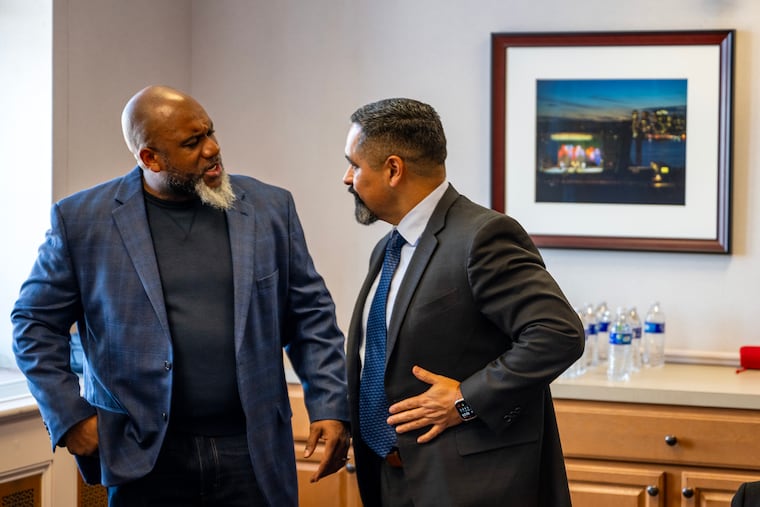
Benjamin Lerner, a former Philadelphia Common Pleas Court judge who presided over homicide cases, said the system already navigated a similar process after the U.S. Supreme Court barred mandatory life-without-parole sentences for juveniles, resulting in hundreds of resentencings. “We learned how to do this,” he said.
Others expect a heavier toll.
Former Chester County District Attorney Thomas Hogan, now a law professor at South Texas College of Law in Houston, said reopening the cases could be deeply disruptive, particularly for victims’ families. “It’s like having been diagnosed with cancer, surviving, and then finding out 20 years later that you’ve come out of remission,” he said.
Montgomery County District Attorney Kevin R. Steele said “not all defendants serving time for second-degree murder were the proverbial getaway driver,” adding that many were more active participants.
Lerner acknowledged that. “There are cases where the defendant didn’t pull the trigger and is still equally responsible,” he said. “And there are cases where a judge would still say life without parole is appropriate.”
The court’s decision does not prevent that outcome. It simply requires that it not be automatic.
“Judges can still impose life without parole,” said Samah Sisay, another attorney on Lee’s case. “We would hope they steer away from that, but it’s still on the table.”