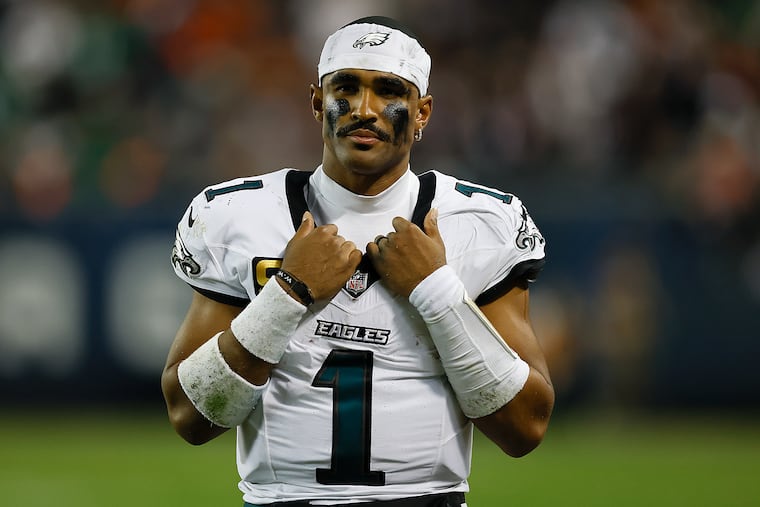
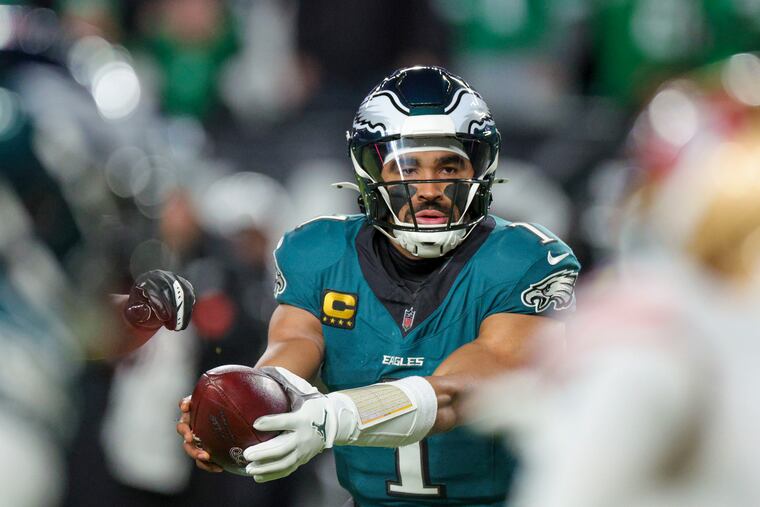
The Eagles need to ask themselves some hard questions. Jalen Hurts should face a few of them.
For all of the distress regarding Kevin Patullo, Hurts' chronic inability to elevate the Eagles in 2025 must receive due scrutiny.
Multiple things can be true at the same time. They usually are when a team’s season ends the way the Eagles’ did on Sunday.
It takes a special kind of bad to lose this limply. It is a collective bad, an existential bad, a bad that raises all kinds of hard questions that a team must confront head-on and wrestle with in the darkness. That is true even of a team that is less than a year removed from winning a Super Bowl. In fact, it is especially true for such a team.
The bad that the Eagles were in a 23-19 loss to the 49ers is a disconcerting bad. It is a bad that shakes you to your core, a bad so bad that you spend an entire season desperate to disbelieve it.

David Murphy alerts
More than anything, it is a bad that is nearly impossible to achieve if your quarterback is doing the things he needs to do.
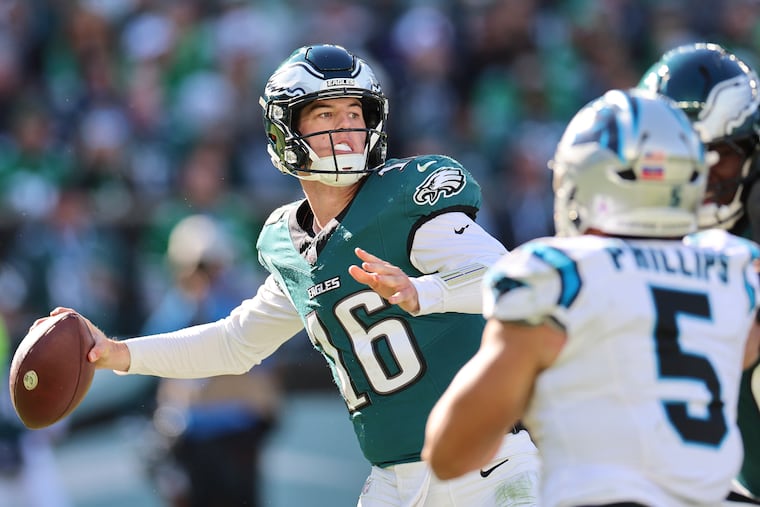
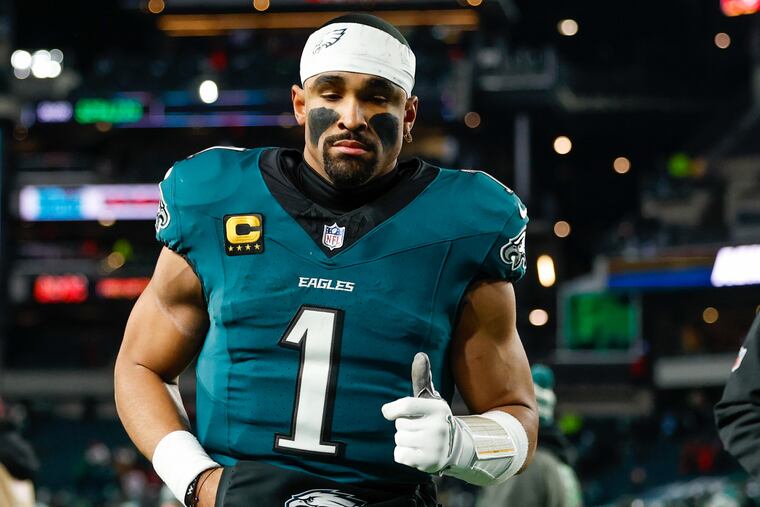
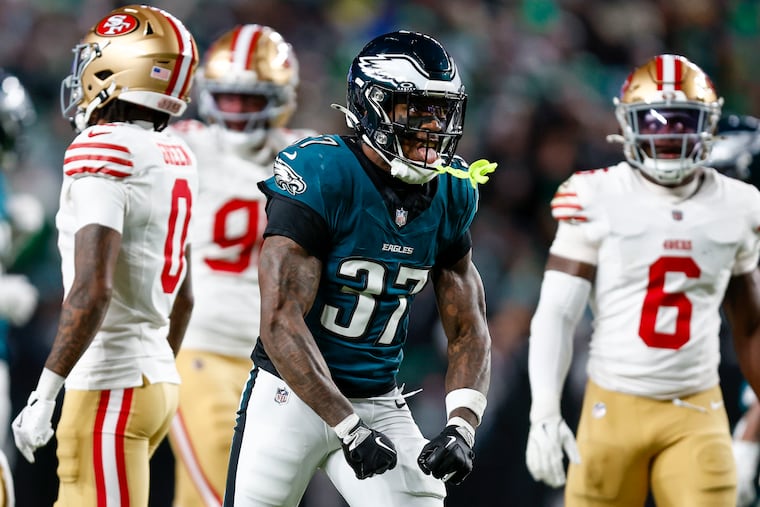
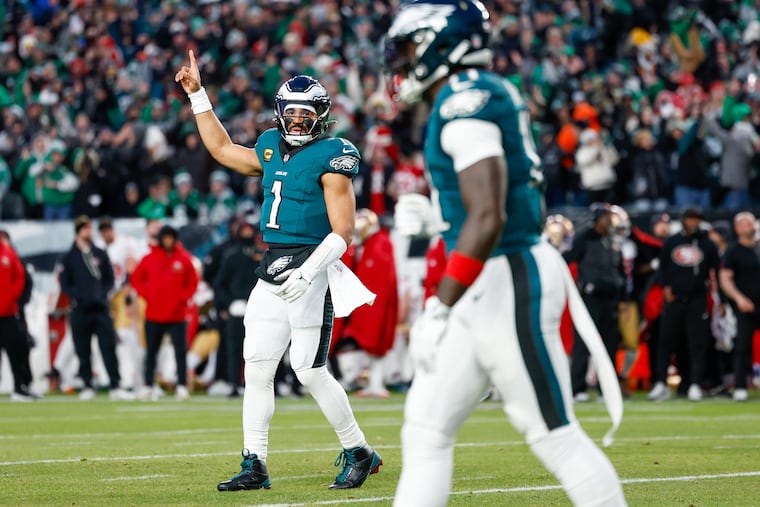
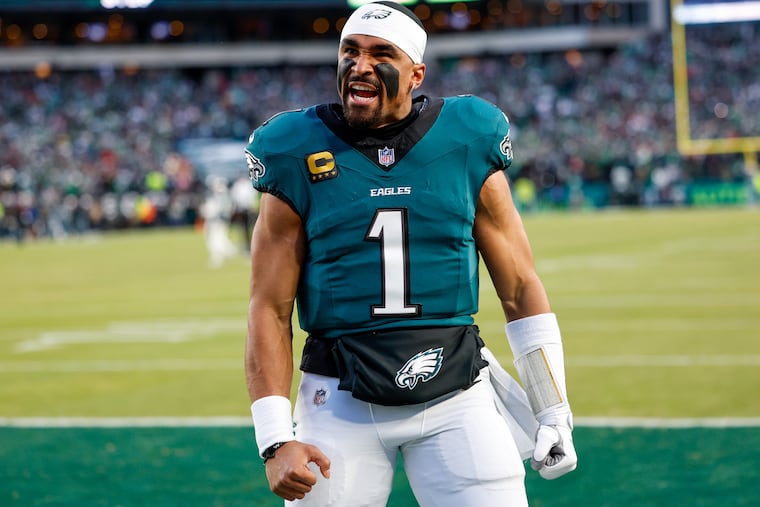
Jalen Hurts did not do those things for the Eagles on Sunday. His counterpart did them for the 49ers. That is why the Eagles are headed home. It is why the 49ers are headed to Seattle. The difference in this particular playoff game was the same as it is in most of them. One team had a quarterback who rose above his circumstances. The other did not.
“It starts with me and ends with me,” Hurts said afterward.
Whether or not he truly believed those words, he was correct.
A team that cannot, or will not, put pressure on a defense in the intermediate-to-deep part of the field is a team whose luck will eventually run out. Whether Hurts can’t or won’t doesn’t matter at this point. He didn’t, and that’s that. He completed just three passes that traveled more than 10 yards in the air, on 11 attempts. Those three completions gained a total of 38 yards. He was 17-for-20 on his short throws.
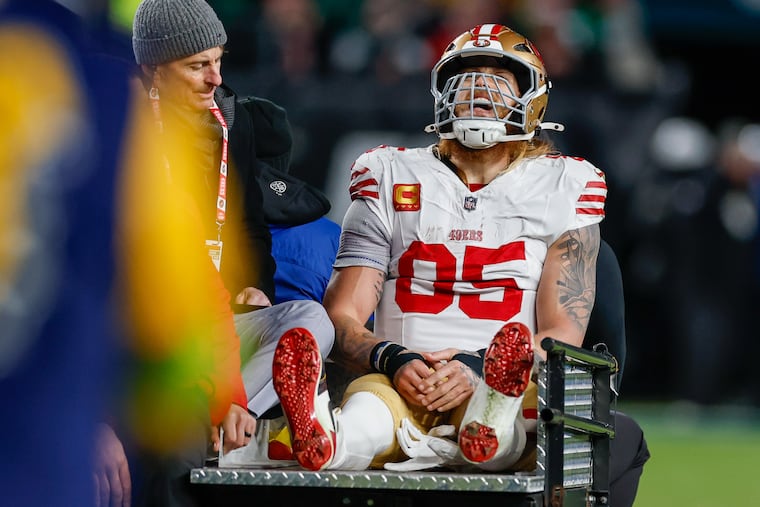
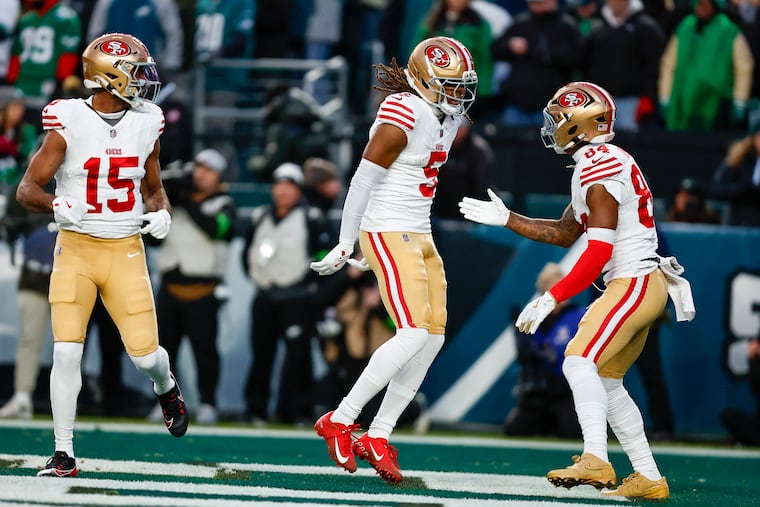
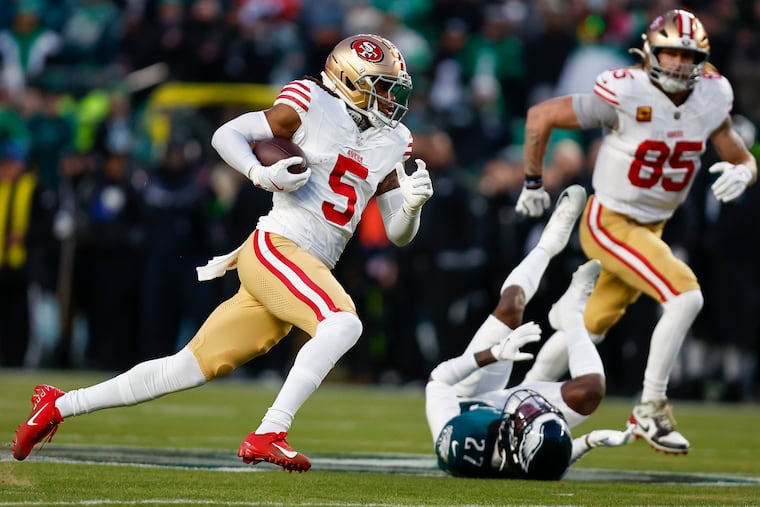
Compare that to Brock Purdy, who was dealing with an offense that lost its last blue-chip pass-catching weapon when tight end George Kittle tore his Achilles tendon with six minutes left in the second quarter. The game should have been over then, one of several moments when that was the case. That it wasn’t is largely a testament to Purdy, whose poise and patience and intentionality were on display against an Eagles defense several calibers above that of the practice-squad Niners.
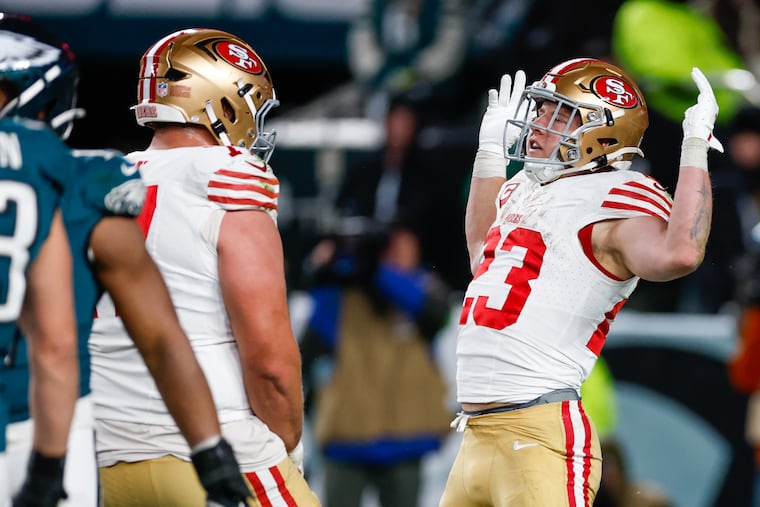
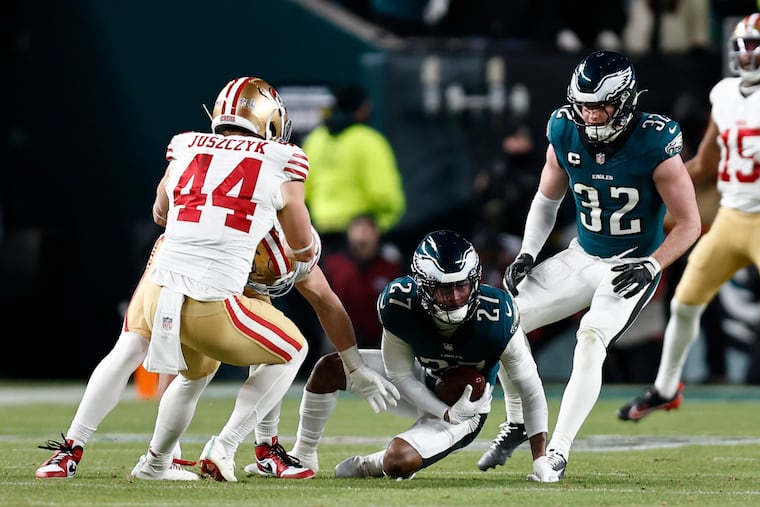
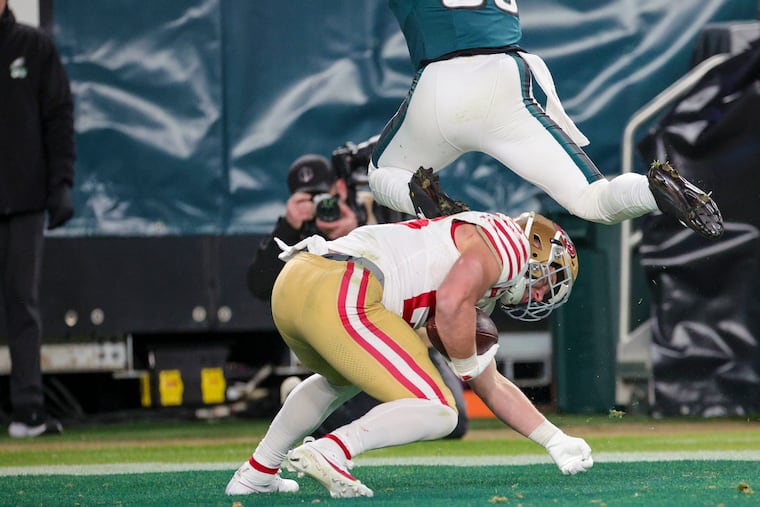
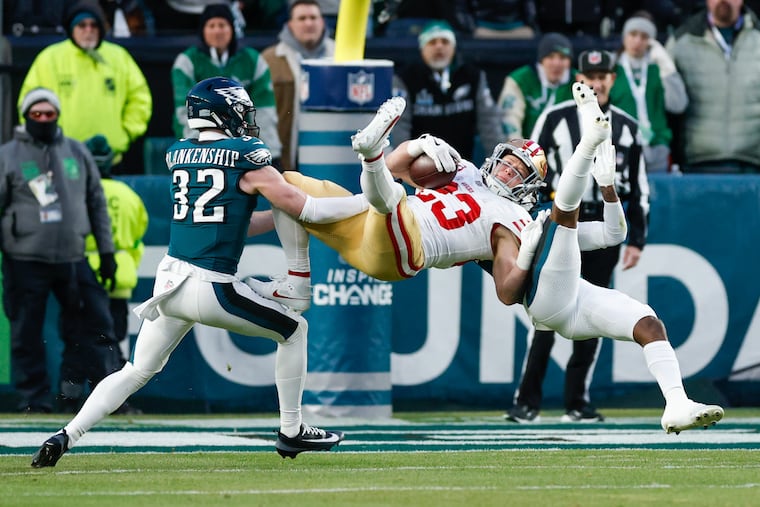
San Francisco’s game-winning 66-yard touchdown drive late in the fourth quarter featured a 16-yard completion to Demarcus Robinson and a 5-yard scramble, both for first downs, to help set up his 4-yard touchdown pass to Christian McCaffrey with just under three minutes remaining. A couple of possessions earlier, he found fullback Kyle Juszczyk of all people for a 27-yard gain that set up a trick play touchdown on an end-around pass from wide receiver Jauan Jennings to McCaffrey.
» READ MORE: The 2025 Eagles played not to lose. In the end, that’s why they did.
There was a 14-yard pass to backup tight end Jake Tonges on third-and-14 late in the second quarter, a 45-yarder to Jennings earlier in the period, and a 61-yarder to Robinson that set up a touchdown on the 49ers’ opening drive.
Purdy’s numbers on throws longer than 10 yards: 8-of-13, for 178 yards. His two interceptions were the cost of doing business.
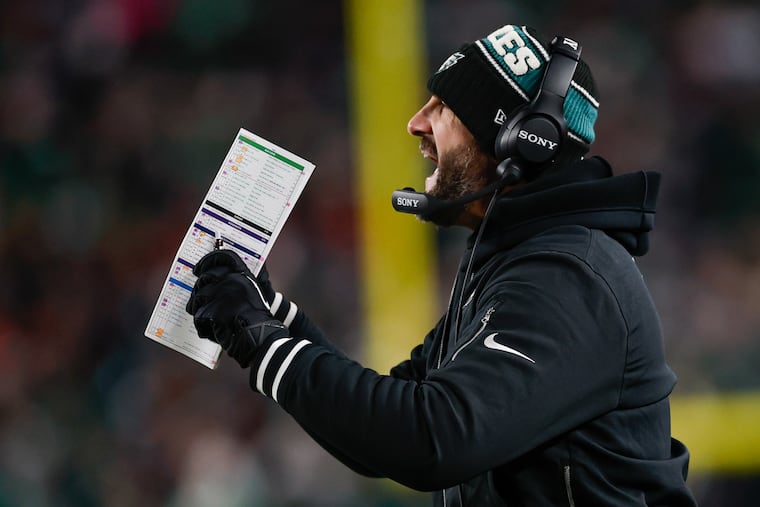
“You’ve got to be able to be explosive,” Eagles coach Nick Sirianni said. “It’s really hard to dink and dunk down the field. It’s really hard to get behind sticks with negative plays. You’ve got to be able to create explosives. Again, at the end of the day, there were a lot of elements [where] you end up with a loss, and we haven’t had this feeling of ending our season since 2023 with the loss. That’s why it hurts because it’s been a while. But yeah, at the end of the day, we need to find ways to be more explosive. Again, that starts with me.”
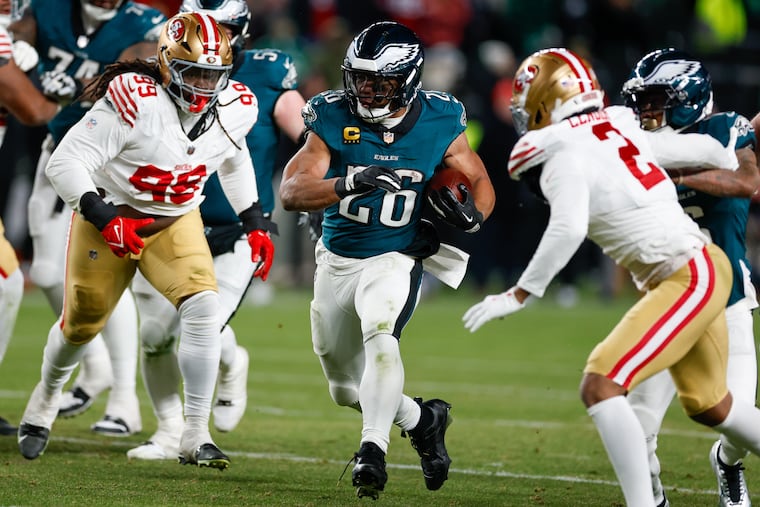
Sirianni is right. Everything starts with him. But it ends wherever the quarterback takes it. The ball is in his hands. The clock is in his head. He is the one who decides how long to continue looking down the field. Whatever the game plan, whoever the play-caller, a quarterback almost always has the ability to force the issue. That’s especially true for a quarterback with Hurts’ ability to buy time and gain yards with his legs. He gained 14 yards on five carries against the 49ers. Purdy gained 24 on nine.
“Well, I think finding a rhythm and whatever you define aggression as, maintaining the fluidity and the flow throughout four quarters of the game, so I think there’s opportunity for us to improve in that,” Hurts said. “Just finding a rhythm. Ultimately it is just all something that you either learn from it or you don’t.”
One thing people lose sight of while focusing on the play-calling is that the quarterback sets the rhythm. He is the orchestra conductor. The great offenses are almost always a reflection of their quarterback. It wasn’t Tom Moore’s offense or Todd Haley’s offense or Charlie Weis’ offense: it was Peyton Manning’s and Ben Roethlisberger’s and Tom Brady’s. It’s no coincidence that the energy of this Eagles offense as a collective often resembles Hurts’ individual demeanor.
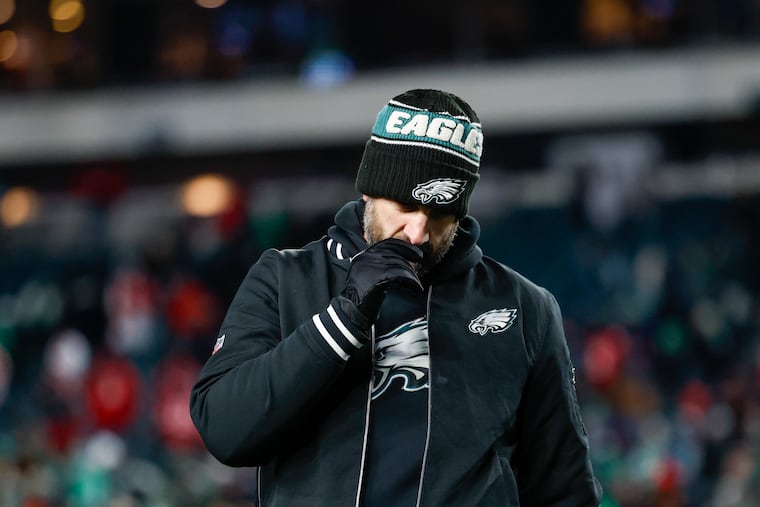
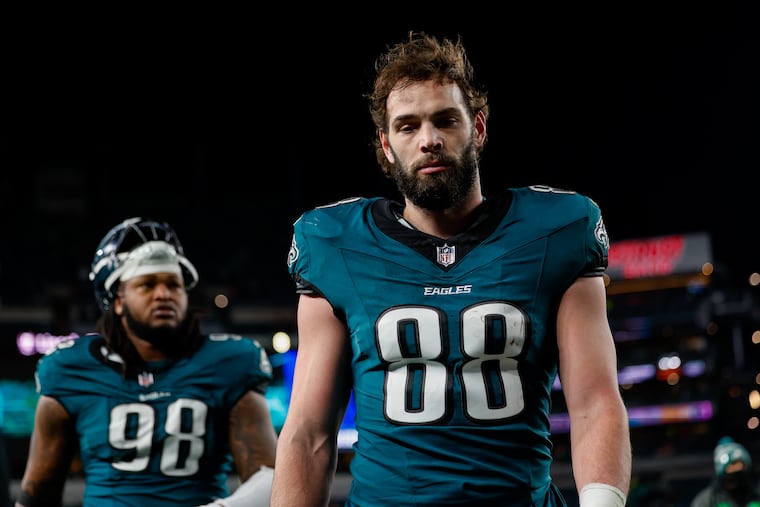
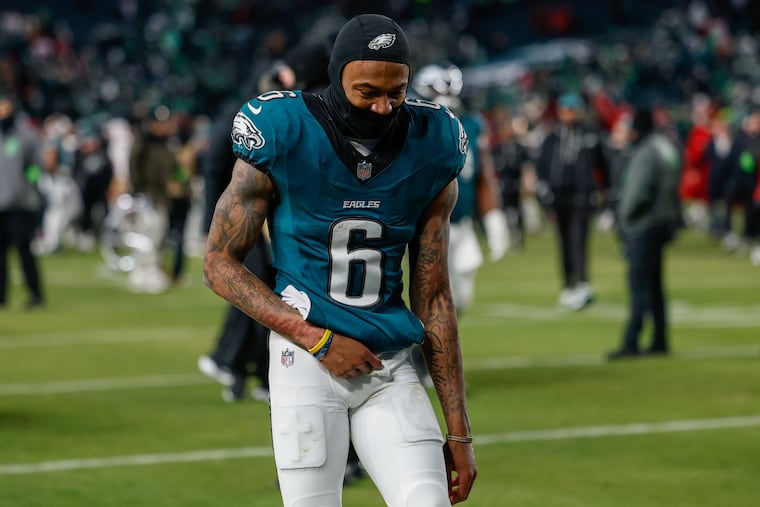
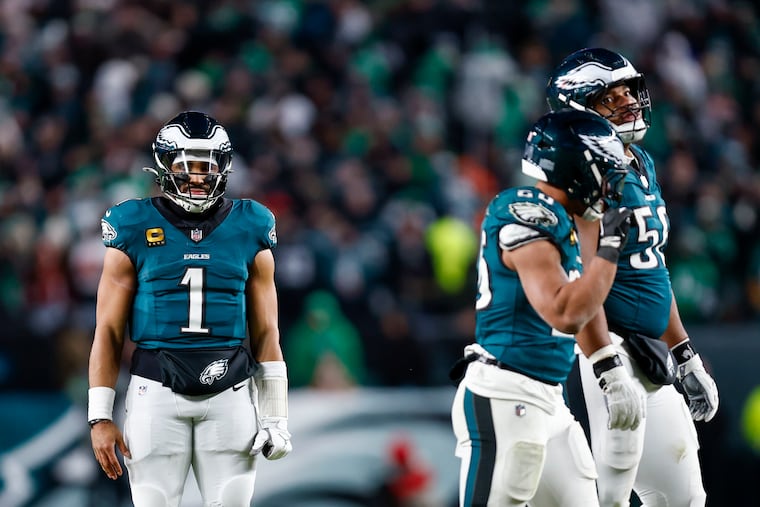
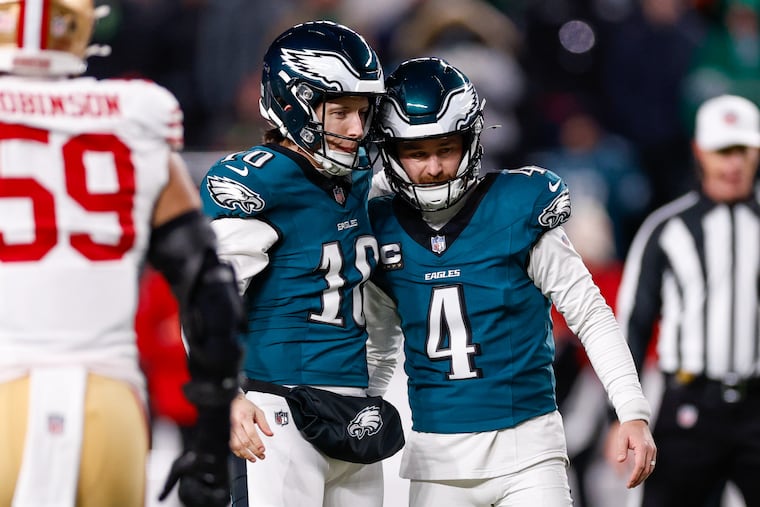
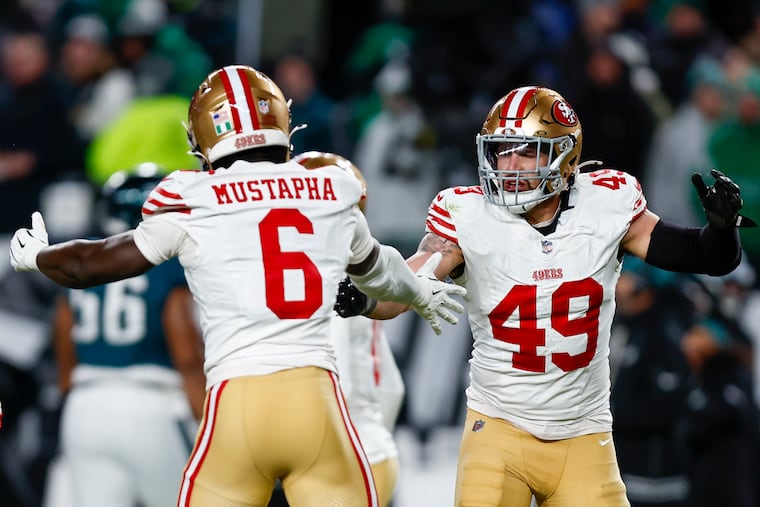
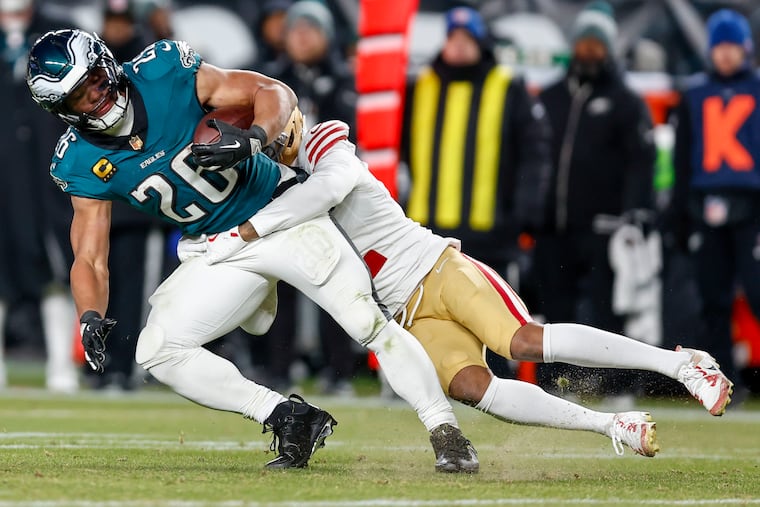
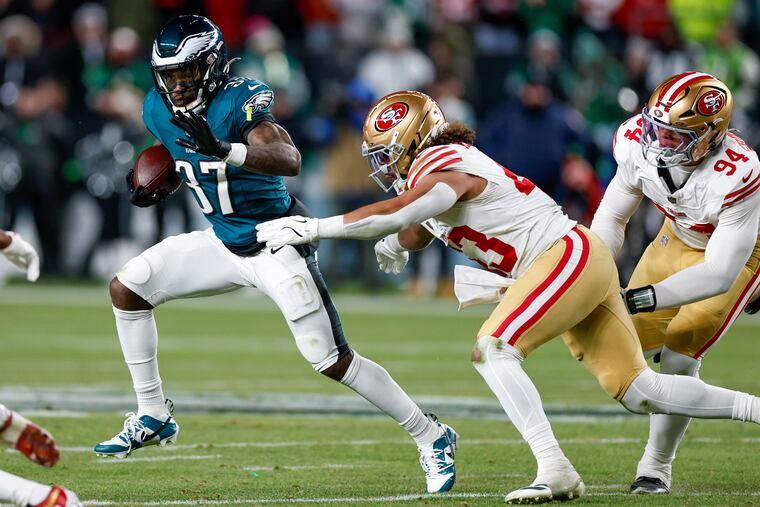
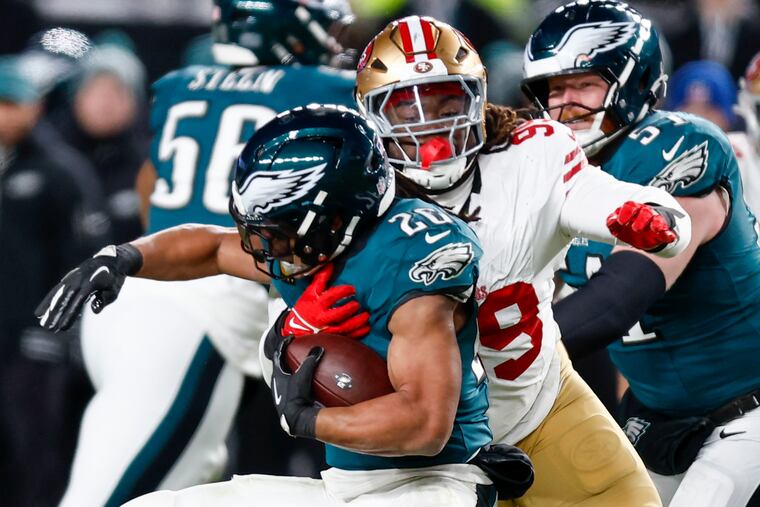
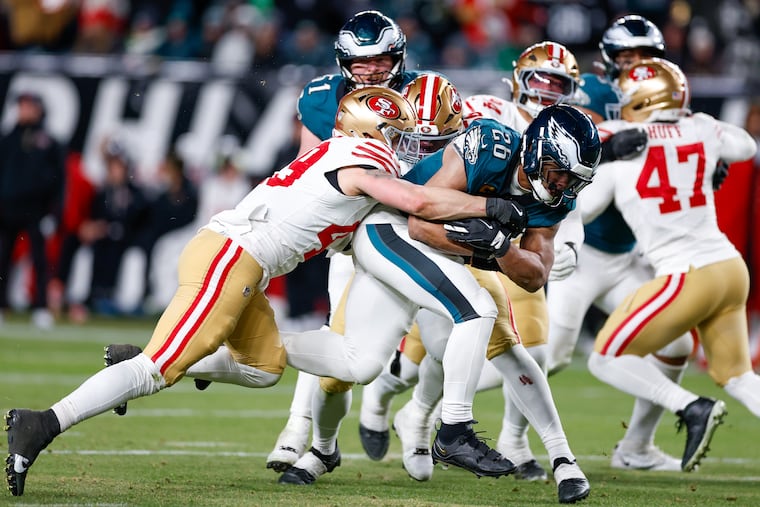
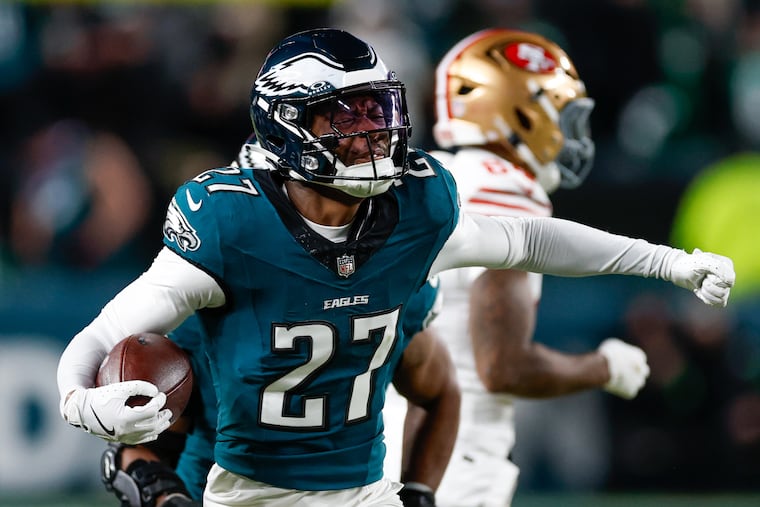
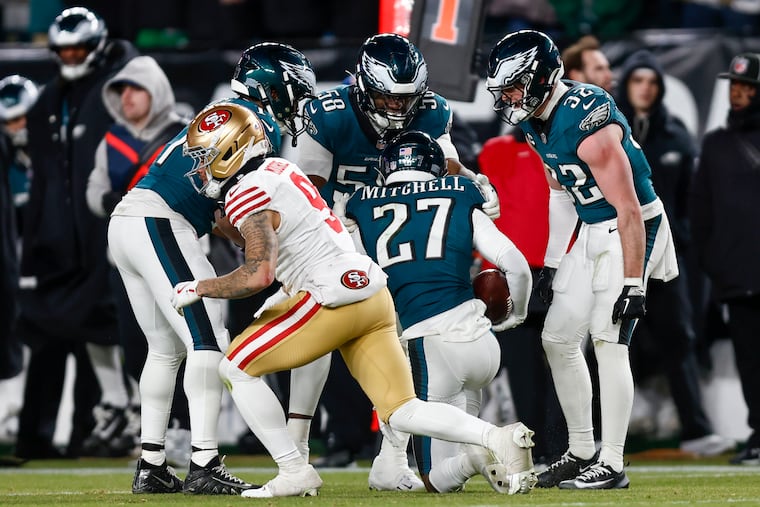
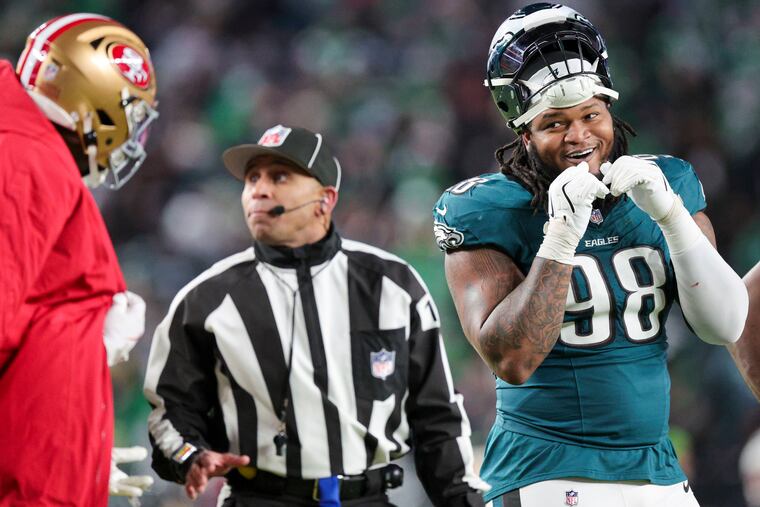
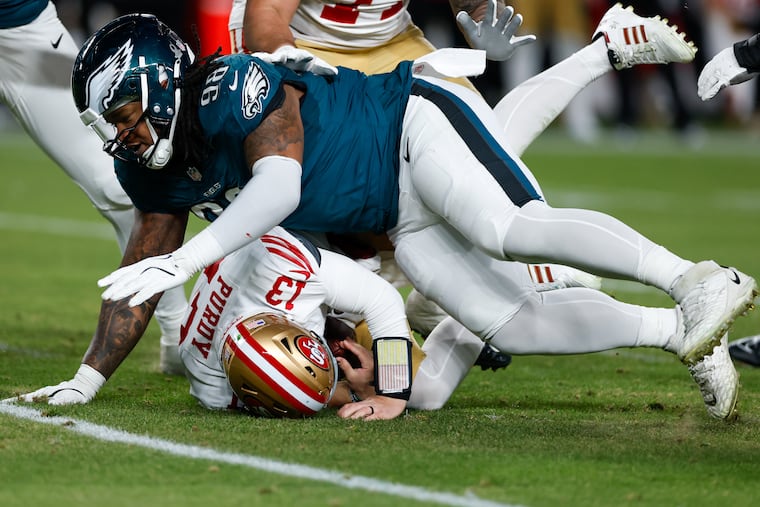
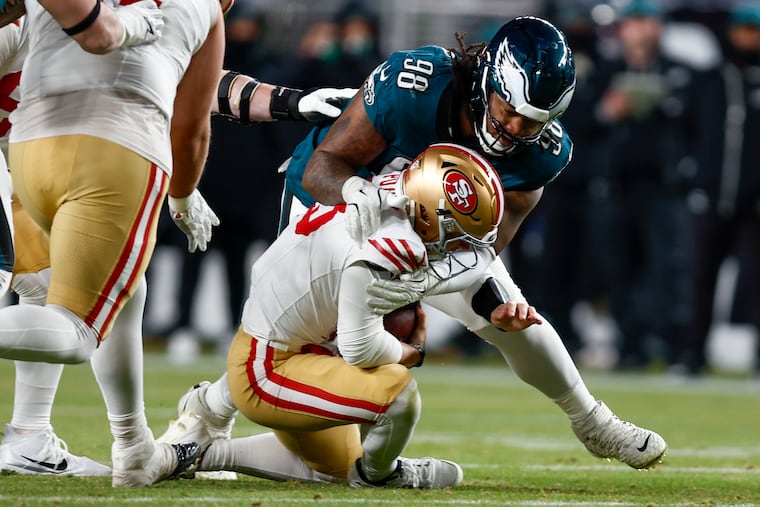
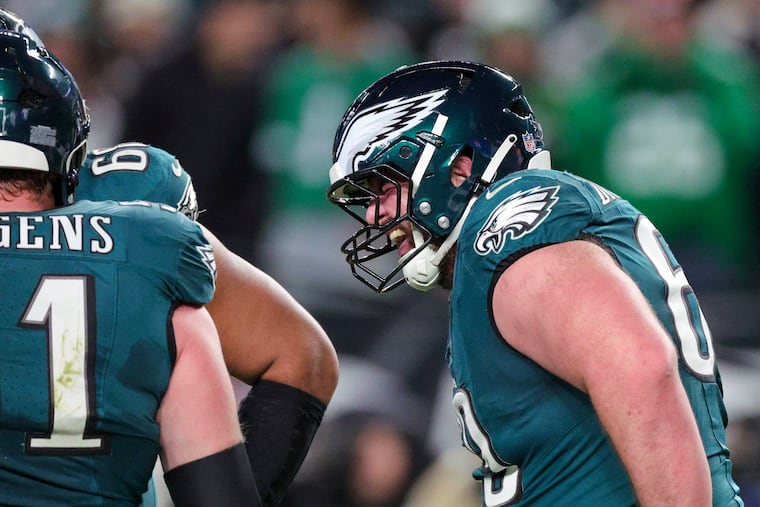
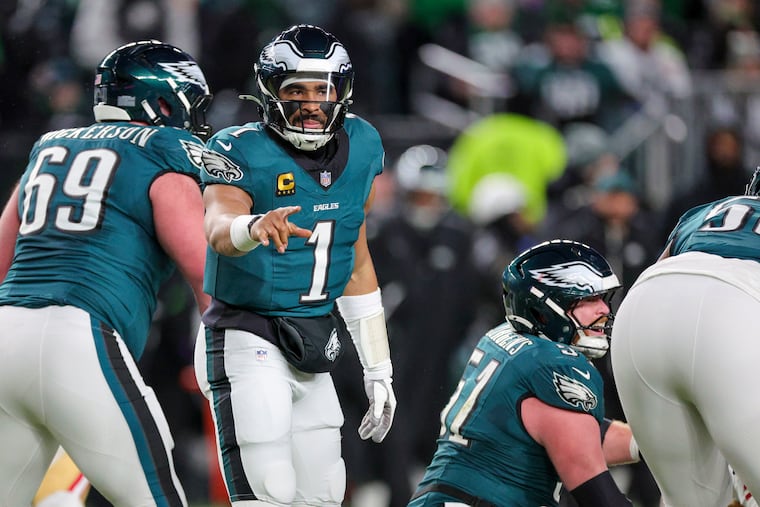
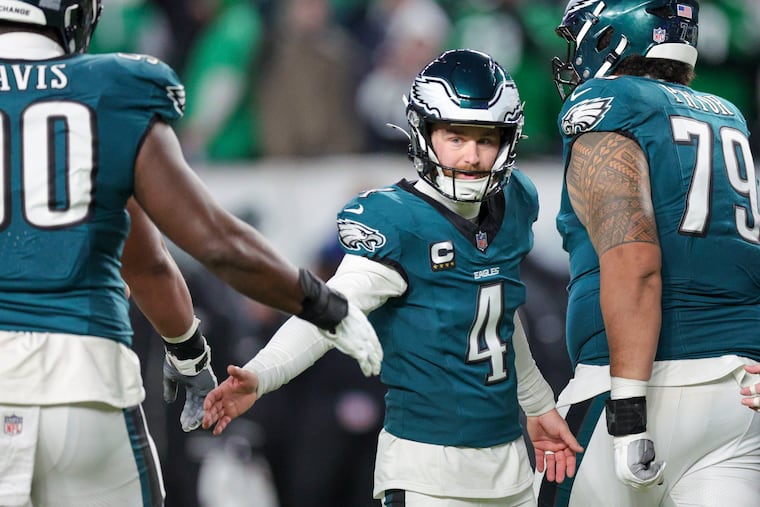
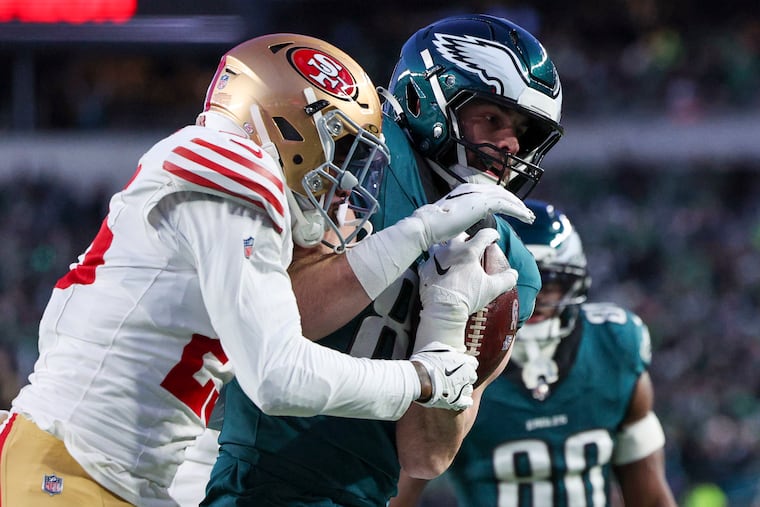
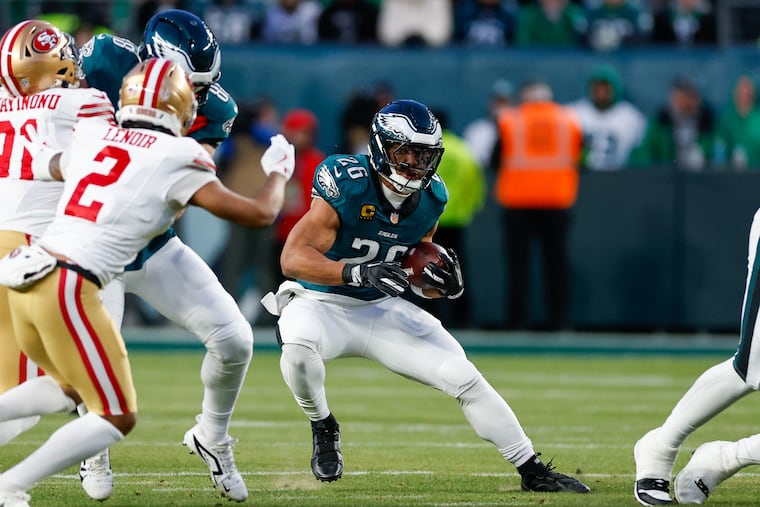
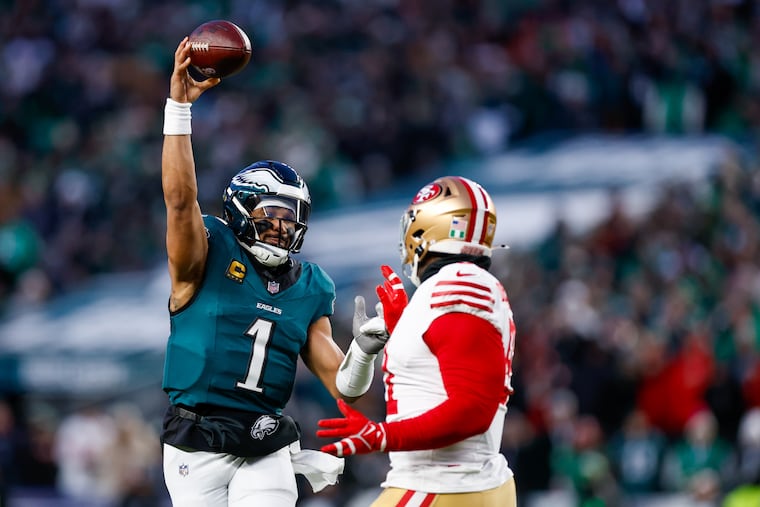
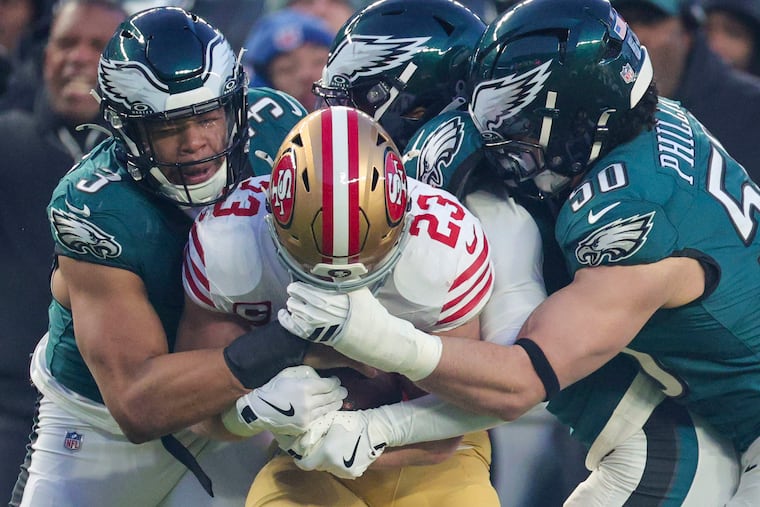
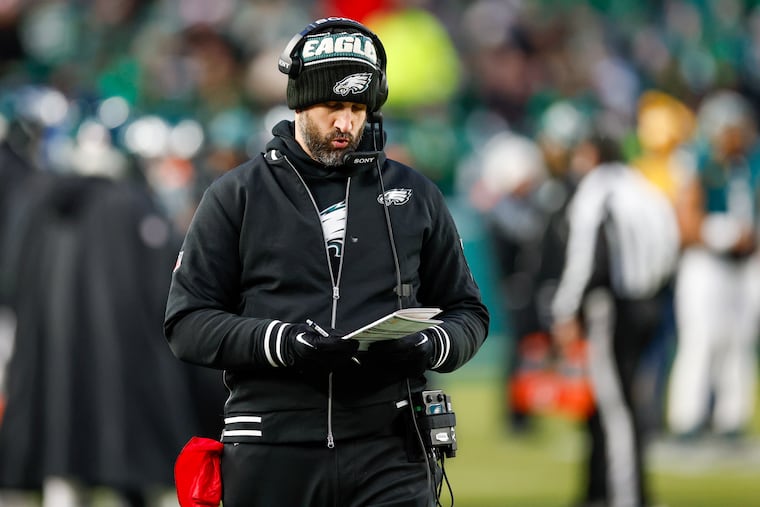
Nobody should have to apologize for pointing out these things. High standards are not unfair. The only way to fix an offense as bad and boring and listless as the Eagles’ is to be unflinchingly honest about its component parts. The quarterback is inseparable from the play-caller. The right guy for the second job is a guy who can make it work with the guy in the first one. The next Eagles play-caller will be getting a quarterback who does not have elite size, or arm strength, or pocket presence, and who no longer makes up much of that difference with his ability to create on the run.
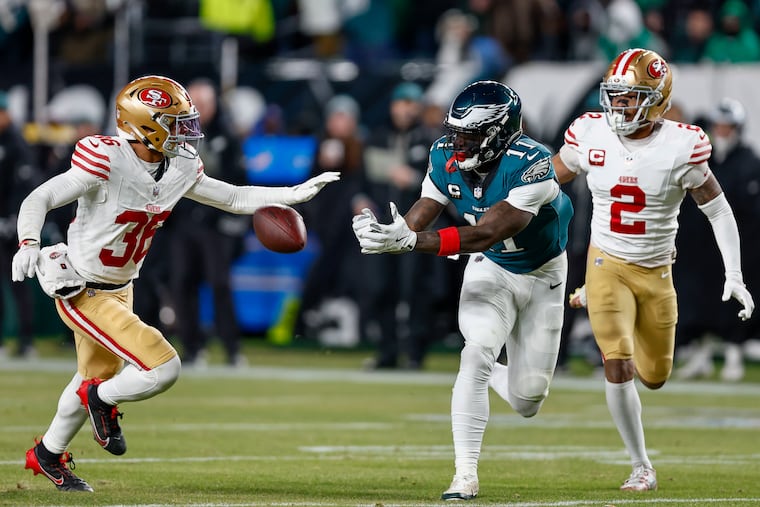
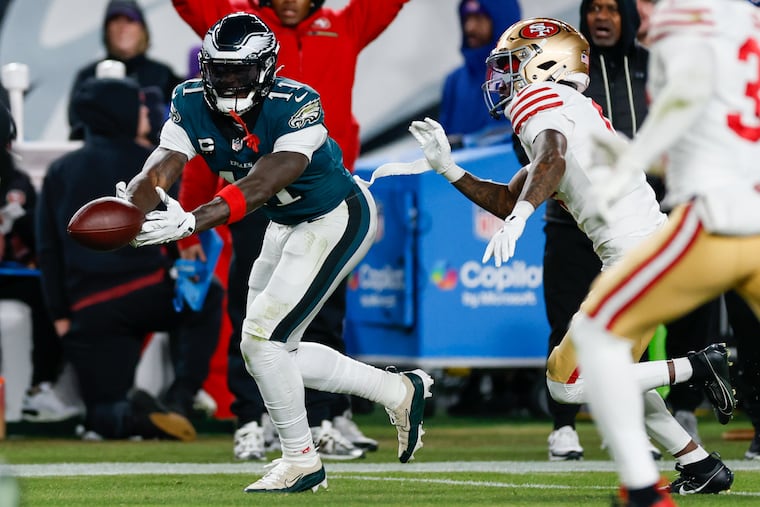
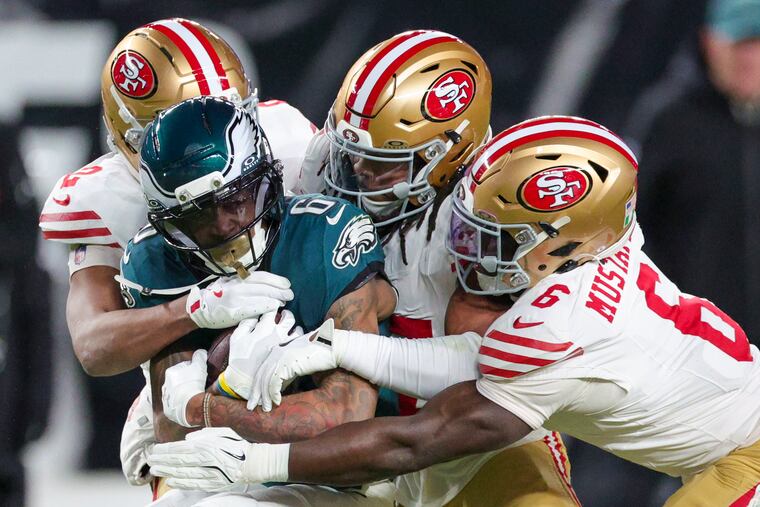
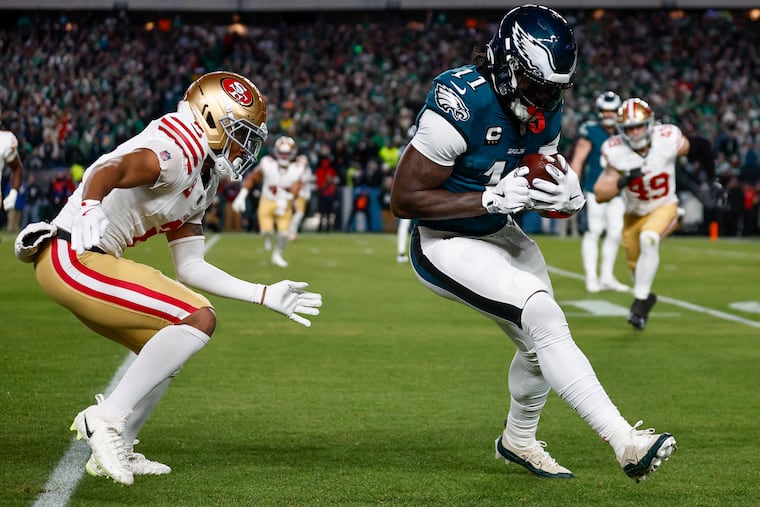
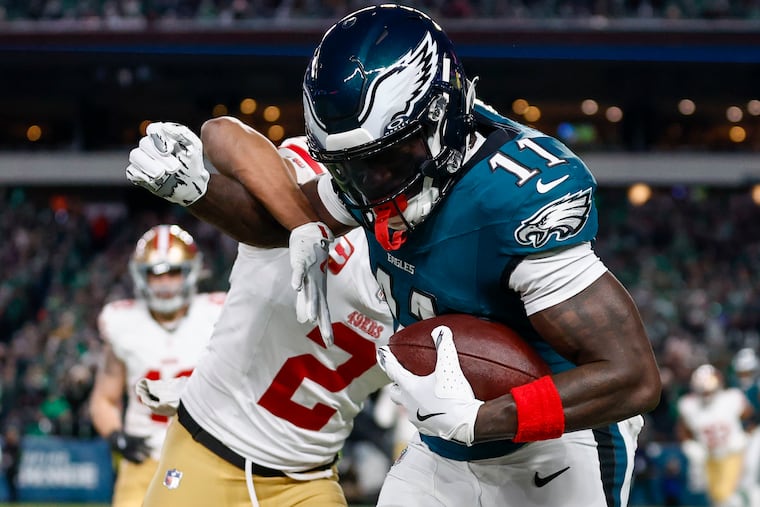
Hurts didn’t get much help from his pass-catchers on Sunday. He didn’t get as much help from his play-caller as Purdy got from his. The Eagles will need to fix both of those things this offseason. Hurts isn’t, and shouldn’t be, going anywhere.
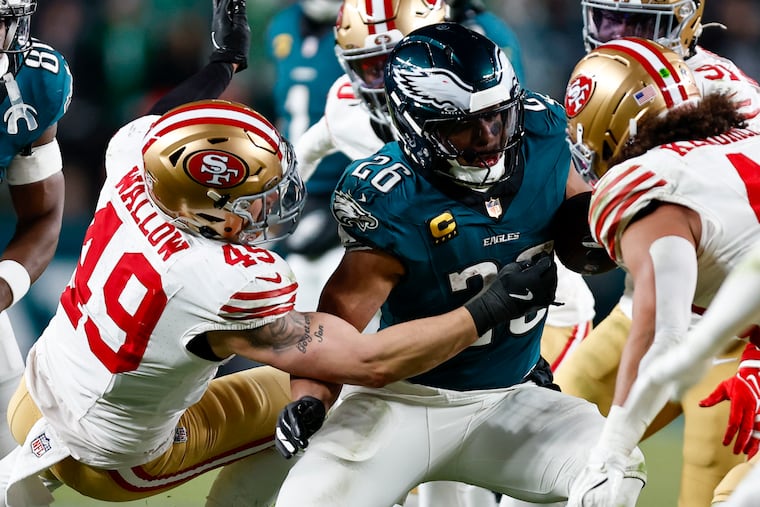
» READ MORE: The defense propped the Eagles up all season. On Sunday, it bent, broke and the 49ers advanced.
That said, Hurts is who he is. Who he was on Sunday is the guy he has been all season, and most of the last 2½ seasons, if we’re being honest. It worked when the Eagles had an overwhelming talent advantage at all of the other positions. If that is no longer the case, they need to figure out a new formula.