A recession seems increasingly likely in 2026, economist says
Given the risks facing the economy in 2026, a downturn cannot be ruled out, Joel Naroff writes.
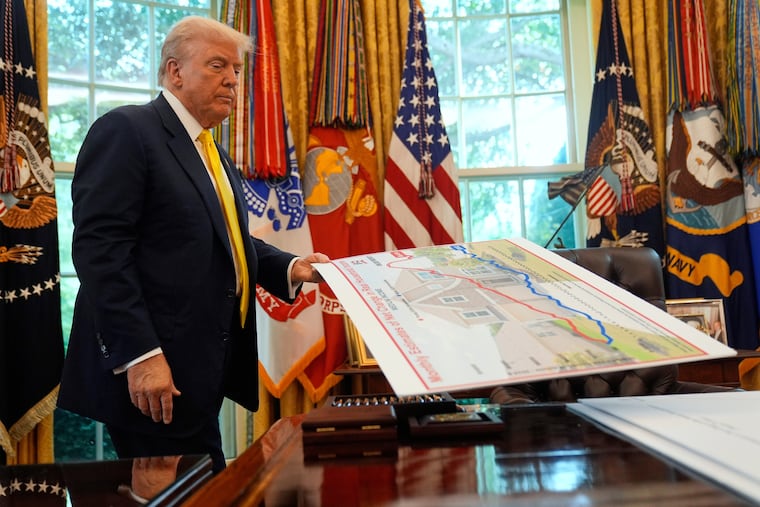
It’s December, which means it’s time for economists to publish their forecasts for the upcoming year. Given all the political, economic, and social concerns, the crystal ball is fuzzy.
However, the factors that should drive growth in 2026 are fairly clear.
Tariffs are an unknown and the greatest potential threat
With inflation remaining stubbornly high and affordability becoming a political battleground, President Donald Trump is faced with some difficult decisions. It is hard to argue that tariffs are not paid for by consumers. Recent actions to lower tariffs on imported food products is an admission that is the case.
So in 2026, will tariffs be reduced? And if so, how broadly?
The likelihood is they will be lowered, but the ad hoc nature of tariff adjustments indicates the changes will not likely have much of an impact on prices. And that means inflation is likely to remain well above the Fed’s target rate of 2%.
The effects of high and rising prices on economic activity cannot be denied. Affordability is not a hoax, at least not for the average household. Consumer confidence recently fell to some of the lowest levels recorded.
While overall consumer spending has held up, much of the demand is coming from upper-income households. An economy can be supported for only so long by a small percentage of the population. Eventually, the companies that provide goods and services to the average household will feel the pain.
Without a major turnabout on tariffs, inflation is likely to remain high, further depressing consumer confidence and spending.
Immigration policy and deportations are slowing population growth
Whatever you think of the Trump immigration and deportation strategy, there are economic implications.
When the shutdown in immigration is combined with rising death rates and falling birth rates, the result is the U.S. population may have declined in 2025 for the first time ever.
Also, restrictions on immigration have slowed labor force growth. When you add in the fear factor affecting both documented and undocumented workers, the negative effects on the labor supply are magnified.
In an economy with low unemployment rates, the lack of workers puts upward pressure on wages and inflation while reducing income growth and total consumer spending.
In addition, the labor shortage restricts business growth. Small businesses continue to report that the lack of qualified workers is their biggest problem.
The administration’s immigration policy will likely continue to limit labor availability, slow hiring, and restrain spending, while putting upward pressure on wages and prices.
The Federal Reserve faces a difficult choice
The Fed is in a pickle. If it tries to fight elevated inflation by not lowering interest rates, it risks slowing the economy. If it tries to address a softening economy by reducing interest rates, it risks inflaming inflationary pressures.
It is clear the monetary authorities would prefer to lower rates back toward trend levels. And they are likely to cut rates next year. But there is little reason to believe inflation will settle down soon, so the Fed cannot be expected to act aggressively.
The Fed cannot fight high inflation and slowing growth at the same time, so barring a recession, expect it to act cautiously.
The impact of AI on the economy should accelerate in 2026
The 800-pound gorilla in the economic forecast is artificial intelligence, the next industrial revolution.
Next year will likely be make-it-or-break-it for many companies when it comes to AI. The hundreds of billions of dollars being invested must show clear signs of being financially profitable. By this time next year, AI firms must create real value, not just stock market value.
Previous early phases of industrial revolutions typically led to massive upheaval in the labor market. We are starting to see the outlines of what that might look like once AI becomes embedded in the economy.
Right now, firms are not firing workers. But many have paused hiring. The next step, though, is layoffs. We could start seeing that by mid-2026.
Ultimately, hiring should come back. It always happened in past phases of the industrial revolution. Just don’t expect to see that until 2027 or even later.
As AI spreads thorough the economy, anticipate much slower or even negative job growth, leading to higher unemployment rates, lower consumer confidence, and slower spending.
Upending traditional international relationships creates tremendous economic uncertainties
The Trump administration’s desire to reframe international relationships cannot be viewed simply as a political strategy. Its economic consequences are hardly clear now but may show up in 2026.
A rough summary of the latest national security outline points to a pullback from Europe, an expansion in the Americas, closer relations with Russia, and more competition with China.
Again, how this plays out is anyone’s guess, but we could see Europe become a major economic competitor, China become more aggressive when it comes to trade, and Russia, well who knows what Vladimir Putin will do?
How could this affect the U.S. economy? Consider China. It has no qualms about using its economic strength as a cudgel. Its economic war with the U.S. is likely to heat up.
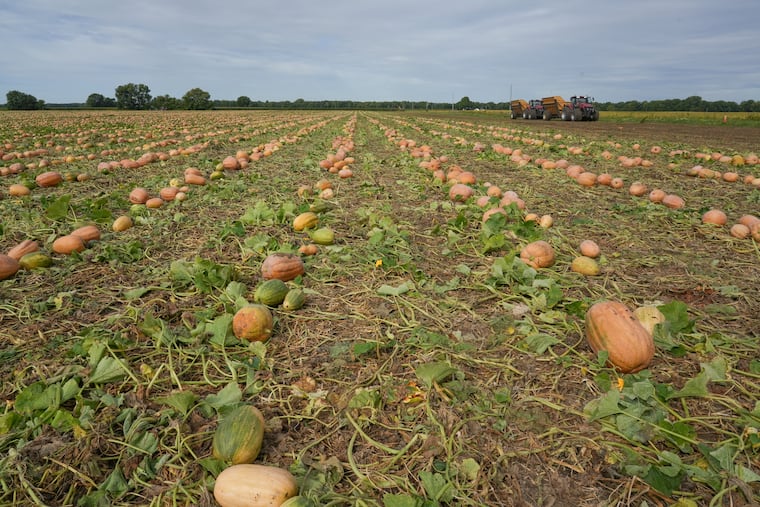
Think about soybeans. China had been the U.S.’s biggest market but has bought little this year. Instead, China is encouraging other countries to grow soybeans. U.S. soybean farmers are going bankrupt and the huge farm bailout could be needed for other segments of the economy if the economic war heats up.
Similarly, look for Europe, which Trump wants to set afloat, to start switching its demand for American-made products to other parts of the world. The continent could become a full-throated competitor with no holds barred.
The Trump administration’s goal of resetting international political relationships is likely to spread into a restructuring of international economic competition.
The U.S. economy is amazingly resilient, but a number of significant issues could become major problems. How they all play out is uncertain, but given the potential negative impacts on growth, it is hard to think we can skirt a recession next year.