Rising oil prices are impacting way more than gasoline prices | Expert Opinion
Three dollars a gallon for gasoline may return, but not right away.
Whenever oil prices surge, it seems the only fear is that gasoline prices will soar.
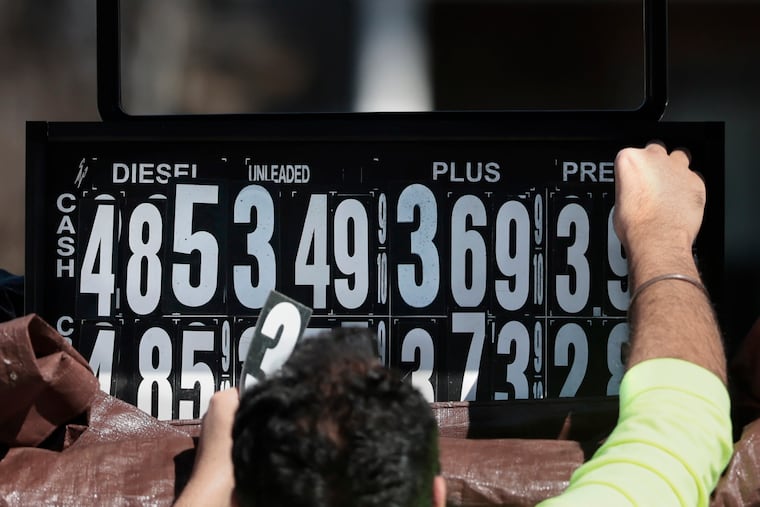
It’s hard to miss gas increases when people drive by gasoline stations with huge signs shouting the price.
So, when you see one price on the way to work and a higher one on the way home, the impact of rising energy costs hits home.
However, the Iran war upended the global flow of oil. The impacts will not just be on the cost of driving in the U.S., but on all major sectors of economies around the world.
Even if the current ceasefire holds, the effects will likely linger for an extended period.
But focusing just on gasoline misses the point. The prices of almost every type of energy, other than possibly renewables, are directly or indirectly affected by what is going on in the Middle East.
Rising energy costs
Energy prices have skyrocketed in the United States since the war with Iran started on Feb. 28.
The closing of the Strait of Hormuz, where about 20% of all oil passes through, created an international energy shortage that led to the jump in costs.
The United States is supposed to be energy independent, so why are we at the mercy of international markets? There are two basic reasons.
Even though we produce more oil than we consume, the U.S still needs to import oil.
There are different types or grades of petroleum that we don’t produce enough of domestically. That oil has to be purchased on the world markets.
Similarly, there is oil we produce in excess of our domestic needs and we sell those supplies globally.
But more importantly, oil of the same grade is the same regardless of where it is pumped. Oil producers can buy or sell their products locally or internationally.
Consequently, the price of benchmark international oil (called Brent) and the price of domestic crude (West Texas Intermediate or WTI) move in the same direction.
When it comes to the oil market, what happens elsewhere doesn’t stay there.
Rising costs across industries
That means any sector of the economy that uses energy will have to absorb rising costs. That is, every sector.
Transportation, including rail transit, is the most obvious. It is not just the cost of moving goods that is increasing, but the price of air travel is likely to jump as well.
As for the manufacturers, factories are heavily dependent on all sources of energy, and they could get slammed.
Petrochemicals are basic ingredients for the chemical, plastics, and pharmaceutical industries, and they will see their input prices jump.
Farmers will have to deal with a massive rise in fertilizer expenses and the cost of running their farm equipment. They may need another bailout, while food production around the world could suffer.
Watch out for some big food cost increases.
Gig workers, especially delivery and ride-service workers, will start wondering if it makes sense to pay the higher gasoline prices.
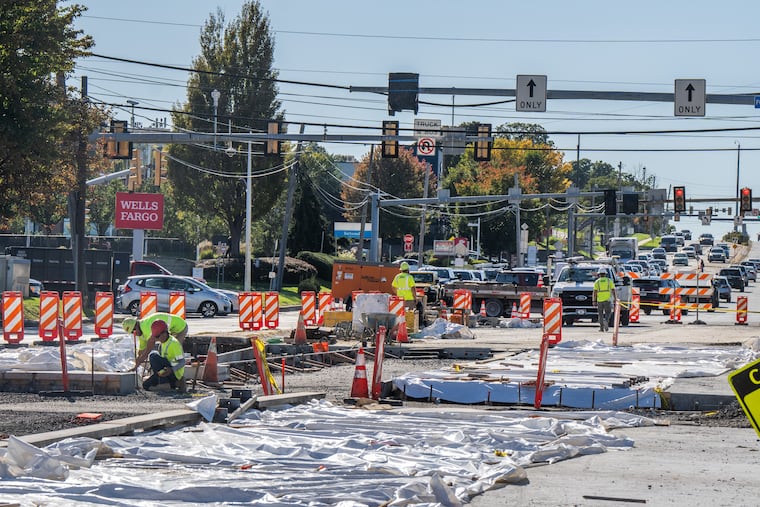
Construction materials are energy price sensitive, and builders will face rising expenses, driving up the cost of new houses.
It doesn’t stop there.
While the U.S. has an ample supply of oil, countries that get their energy from Middle Eastern countries are already facing shortages. This is likely to create negative economic impacts in our trading partners in Europe and Asia that exceed the impacts in the U.S.
Every sector of the economy, be it businesses, households, or governments, in most countries around the world, will have to deal with rising costs.
A worldwide economic slowdown affects the demand for U.S. exports, reducing our growth.
And if you thought inflation was high now, wait a month or two when these costs are passed through the system.
The impact on interest rates
Normally, rising inflation would lead to higher interest rates. But when the pressure on costs comes from a supply shock, which is what the closing of the Strait of Hormuz has created, that is not necessarily the case.
Higher prices reduce consumer spending power, hurting corporate sales and earnings. It is also not usually a positive sign for the equity markets. All slow economic growth.
And that means interest rates might not rise much.
As for the Federal Reserve, since it has to guard against inflation rising, it cannot lower rates until it has a clearer picture of what the war means for the future of growth and inflation.
And in any event, higher interest rates cannot increase the supply of oil, the source of the problem.
Long-term economic influence
Even if the war is over, which is uncertain, don’t expect the world of low energy prices, moderate inflation, and modest growth to return in the near future.
It could take weeks to untangle the backlogs that the Strait of Hormuz closure has created. It will not disappear magically.
If we go back to when Russia attacked Ukraine, it took about 18 months for the price of gasoline to settle back down to the level it had been prior to the invasion.
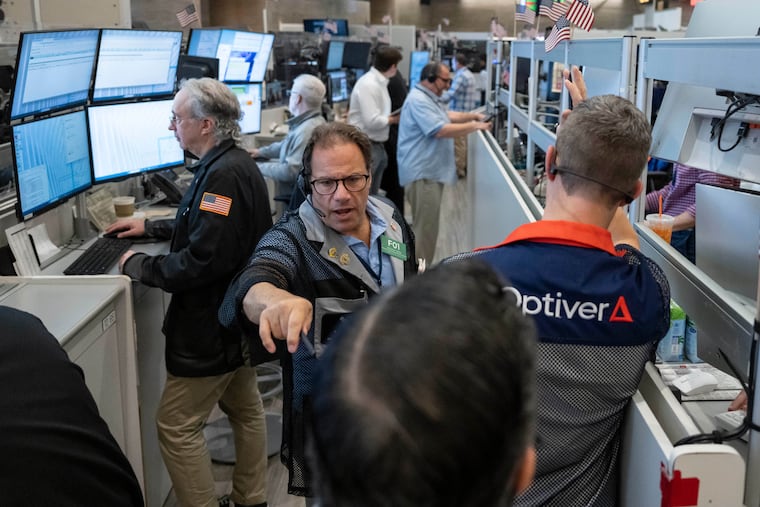
The futures market, which shows what traders think prices will be going forward, reports something similar.
The markets are currently betting that after the sharp initial drop in the cost of WTI, it could take six months before energy costs settle back to where they were before the Iran war began.
That is the best case.
And let’s not forget that prices go up quickly but come down slowly.
Three dollars a gallon for gasoline may return, but not right away.