Cherry Hill schools weighing $14.5 million in cuts and layoffs to close budget gap for 2026-27
Cherry Hill is one of 13 South Jersey school districts that is set to receive a reduction in state funding for the 2026-27 school year under Gov. Mikie Sherill's proposed budget.
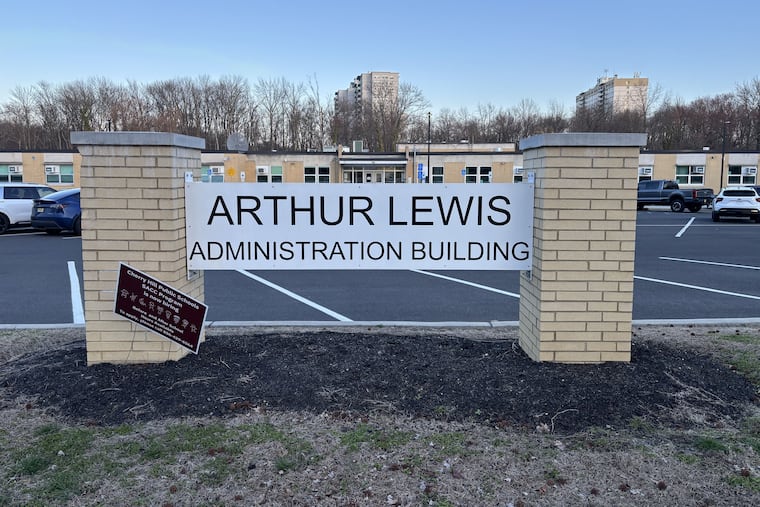
Facing a projected $14.5 million budget deficit for the 2026-27 school year, the Cherry Hill school district is weighing a hefty property tax increase, program cuts, and layoffs.
The cost-cutting moves are necessary because of a 3% reduction in state aid, as well as rising costs for healthcare, transportation and special education, district officials say.
“We will feel the impact of these cuts. They will bring some pain,” Jason Schimpf, the district’s business administrator, told the school board Thursday night.
Cherry Hill is among 13 districts in Burlington, Camden, and Gloucester Counties targeted to get a decrease in state funding under the budget proposal Gov. Mikie Sherill unveiled this month.
While Cherry Hill’s budget gap is greater than the state aid reduction the district is facing, the state budget figures worsened the financial outlook. The state uses a formula to determine school funding for each district based on categories including enrollment, property values, and wealth.
A warning, and mixed news for South Jersey districts
For the second straight year, the state’s proposed budget provided New Jersey’s 600 public school districts with a warning that was supposed to ease angst about funding.
Districts were told in advance that any cuts in most funding categories would be limited to a 3% reduction from the previous year, and at best, any increase would be capped at 6%. Former Gov. Phil Murphy‘s administration began doing that to minimize the volatility districts experienced from receiving last-minute state aid figures.
Even with that advance notice, there was good news and bad news for districts like Haddonfield, where officials were bracing for a $99,000 cut in state aid.
Although Haddonfield stands to get a $48,000 increase in state aid rather than the expected reduction, the district still faces a budget shortfall that could mean staffing cuts with the potential loss of five paraprofessionals and education assistants and 3.5 full-time employees, said Superintendent Chuck Klaus.
Klaus said the district also would consider eliminating some electives, boosting class sizes, increasing activity fees and adding them at the elementary schools to generate more revenue, and reducing freshman sports games as a cost saver.
One proposal calls for a 6.02% property tax increase, which would mean about a $471 annual increase for the owner of a home assessed at the borough average of $542,896. The board will decide next week what the tax levy will be.
“We’re going to have some tough decisions to make,” Klaus said.
Collingswood, which would lose more than $305,000 in state aid under Sherill’s budget proposal, will discuss its preliminary budget on Monday. Superintendent Fred Dowell said the cost of operating schools is outpacing available revenue.
“The most painful part of this process is the gap between our goals and our resources,” McDowell said in a statement.
This has been a tough budget year for districts around the state, said Anthony Trongone, executive director of Great Schools New Jersey, an advocacy group for high-needs districts. Many have been hard hit by a 30% increase in premiums in the state’s healthcare plan, he said.
“It’s just untenable,” Trongone said.
Trongone said districts are adopting temporary fixes until the state adopts a new school funding formula that relies less heavily on property taxes. Sherrill wants to increase funding for schools and work with the legislature to make changes to the school funding formula, which could affect property taxes.
Tough choices for Cherry Hill
Cherry Hill tops the list of districts set to lose state funding in the region, with a reduction of $857,788 compared to the previous year.
In addition to making $14.5 million in budget cuts, Cherry Hill wants to impose a 7.4% tax levy increase, Schimpf said. If approved, that would generate $14.8 million in additional revenue, he said.
Schimpf said a tax rate hike would mean an annual property tax increase of about $420 for the owner of a home assessed at the township average of $227,000.
Schimpf said the district needs to cut $8 million in general expenses and $6.5 million in staff reductions. He did not provide specifics on how many positions could be cut.
District officials said the proposed cuts would likely affect operations across the board, from classroom size to instruction. Cherry Hill, one of the region’s largest districts, has about 1,700 employees.
“At the end of the day, hard decisions have to be made,” Schimpf said.
Board president Gina Winters and others blasted the cut in state funding, calling it “unconscionable.” Winters said she plans to travel to Trenton on Wednesday to testify at a state budget hearing.
“There is no way that we can make this budget work,” Winters said. “We can’t solve this on our own.”
Schimpf is scheduled to introduce a preliminary budget for the board to vote on Tuesday night. It must next be reviewed by the county school superintendent. Following a public hearing, a final board vote is slated for April 28.
Because of a $10 million increase in healthcare costs, state regulations allow Cherry Hill to consider increasing taxes beyond a 2% cap.
The proposed tax increase drew strong reactions from board members and residents at Thursday’s meeting. The South Jersey community of 70,000 approved a 20-year bond referendum in 2022 that raised annual property taxes $400 for the owner of an average home.
There were calls to eliminate preschool programs, reduce administrative positions and ask teachers to contribute more to their healthcare benefits.
Said former board member Laurie Neary: “Sick to my stomach is probably an understatement.
“This is unacceptable. The community cannot afford it,” Neary said.
Graphics editor John Duchneskie contributed to this article.

Inquirer Cherry Hill