This Bucks County school district says it will have to shut down Jan. 30 if Pa.’s budget deadlock continues
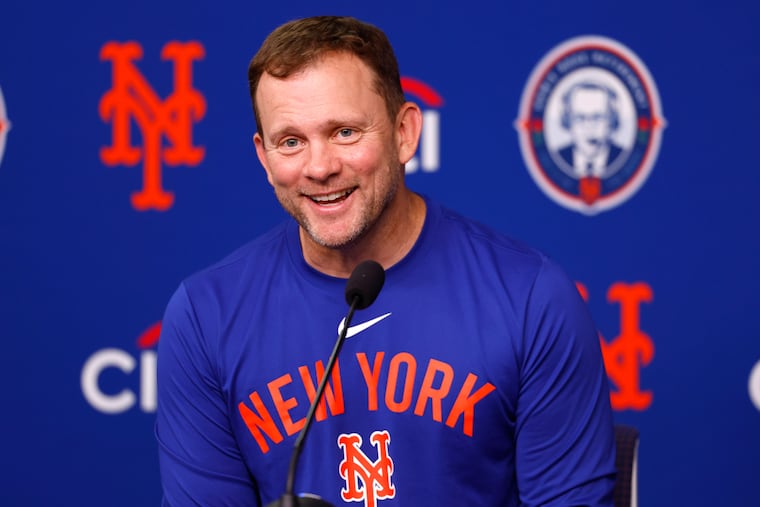
Morrisville Superintendent Andrew Doster will discuss the possible closure with students in third through twelfth grade directly “in a developmentally appropriate way” on Wednesday, he said.
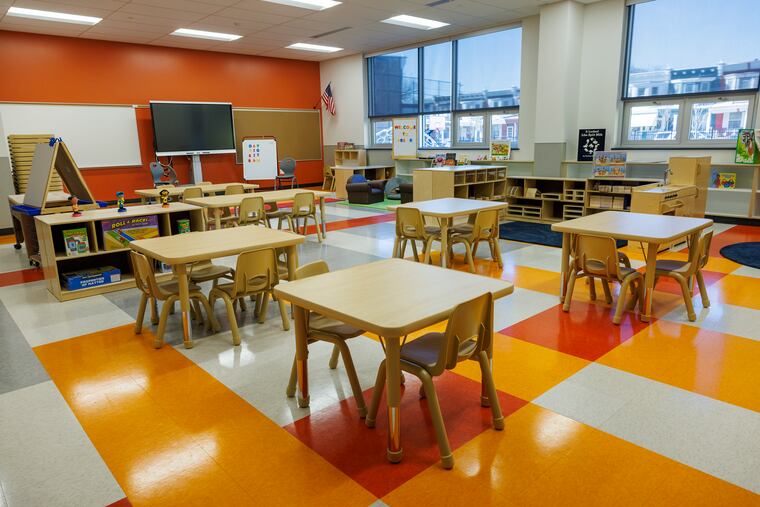
The Morrisville Borough School District could have to shut down on Jan. 30 if no state budget deal is reached, its superintendent said Monday.
Andrew Doster, who leads the tiny system in Bucks County — which has about 900 students in three schools — said he just informed staff of the news 126 days past the state budget deadline, and 34 days into a federal government shutdown.
“As a district that relies on state funding for more than half of its operating budget, the absence of this critical revenue stream has put Morrisville in an increasingly difficult financial position,” Doster wrote in an email to district families. “Our district is now at a point where very difficult decisions must be made for our immediate future.”
Morrisville has used “every available tool” to attempt to make ends meet without state funds, including holding off on making payments and freezing spending.
“Unless the state passes a budget, Morrisville’s public schools may be forced to shut down on January 30, 2026. In that event, we would be forced to temporarily suspend all school district operations,” Doster said
That would mean no in-person or virtual teaching, no transportation, no food service, athletics, arts, or support services.
“We are currently operating with less than 50% of our annual revenue available, due to the state and federal budget impasses. Unless we receive our state funding that is owed to the district since August, by mid-January, we will be unable to meet payroll and operational costs,” Doster said.
The superintendent will discuss the news with students in third through 12th grades directly “in a developmentally appropriate way” on Wednesday, he said.
Closing schools is a drastic step, Doster said, one neither he nor anyone else wants to take. He urged Morrisville community members to share their alarm with their state legislators. More than 90% of Morrisville students come from economically disadvantaged homes.
Morrisville school board officials are aware of the messaging, Doster said, and will strategize “additional short-term strategies in case funding remains delayed” at their next meeting, scheduled for Nov. 19.
“I know how concerning this news is for our students, our staff, and our community. I will continue to keep you informed as we learn more. You have my commitment to communicate transparently and promptly,” said Doster, who vowed he is “doing everything in my power to avoid disruption to our students’ learning.”
Closed-door talks in Harrisburg last week
The news comes after the William Penn School District, in Delaware County, announced that it, too, would run out of funds in January. Superintendent Eric Becoats stopped short of saying unequivocally, as Morrisville did, that schools would close.
Pennsylvania lawmakers were supposed to have passed a state budget by June 30. That delay has roiled school systems, counties, and other entities that rely on state funding, hitting poorer ones like Morrisville and William Penn particularly hard.
Philadelphia, the state’s largest school system and among its most economically challenged, also relies on state money for more than half of its budget. The city’s school board in September authorized a temporary borrowing of $1.5 billion and said that money would not last it the whole school year.
Philadelphia’s officials have not said what measures they would have to take if the budget deadlock continues into the new year.
Legislative leaders appeared to make progress in what had been months of stalled negotiations last week, as a group of top leaders met in Gov. Josh Shapiro’s office four days in a row.
Additional top leaders — House Speaker Joanna McClinton (D., Philadelphia) and Senate President Pro Tempore Kim Ward (R., Westmoreland) — who had not been at the negotiating table joined the closed-door talks, as well as the two minority leaders in the House and Senate.
It was a major shift for the leaders, who had largely been sparring in public but rarely meeting all together as the impasse stretched into a fifth month.
The additional leaders in budget negotiations likely brought a new willingness to strike a budget deal, and lawmakers around the Capitol were optimistic that there would be a deal this month. All of the top leaders declined to comment as they were seen leaving the meetings each day.
It’s unclear whether the meetings continued over the weekend and into this week.
The state House and Senate are not scheduled to return to legislative session until Nov. 17.
The optimism around the Capitol stood in contrast to the worsening situations in school districts across Pennsylvania that have had to take significant action to stay open during the 126-day impasse.
School districts have missed $5.3 billion in state payments, according to PSEA, the state’s largest teacher’s union. What’s more, most federal funding passes through the state coffers before getting sent to the district, putting districts in a worse financial position.
Shapiro, in a news conference in Philadelphia on Friday, said he felt “very, very good about where we are” in budget talks following days of meetings, but did not go as far as to say they had reached a handshake deal.
“We understand one another,” Shapiro added. “We’re in a very good position, and I hope I’ll have more to say on this real soon.”