Here are the 25 South Jersey school districts that raised taxes under a state program to help balance their budgets
Faced with budget gaps, some districts were allowed to seek state approval to exceed a 2% property tax levy cap that has been on the books since 2010.
Faced with making drastic cuts to balance budgets for the 2025-26 school year, about 85 New Jersey school districts decided to raise their property taxes, state records show.
The districts sought state approval to exceed a 2% property tax levy cap that has been on the books since 2010, according to a Department of Education list obtained by The Inquirer under the state’s Open Public Records Act.
In South Jersey, 25 districts in Burlington, Camden, and Gloucester Counties raised property taxes — some by double-digit increases — to bridge projected budget gaps.
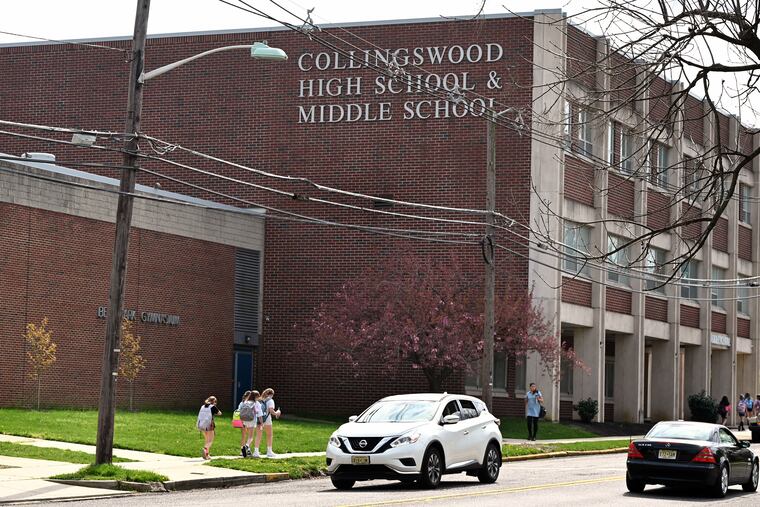
They include Clearview Regional, Collingswood, Evesham, Haddon Heights, Harrison Township, Lumberton, and Rancocas Valley.
» READ MORE: In South Jersey, school districts are raising property taxes and considering cuts
The state has not issued a report on the incentive program and provided the list of districts in response to a request.
“The Tax Levy Incentive Aid program was designed to allow school districts to apply for additional aid and additional taxing authority if they were spending below adequacy and taxing below their local share, offering eligible school district greater financial flexibility to support programs and instruction,” a New Jersey Department of Education spokesperson said.
How does the program work?
According to the state, nearly 300 districts were eligible for a new tax incentive, but not all of those applied to exceed the cap. The subsidy was billed as a one-time offer that could allow districts to raise additional revenues to possibly avoid cuts.
In return for increasing the local tax burden, districts received additional state aid for 5% of the amount of local taxes raised above the 2% cap.
But participating did not spare districts from budget gaps. After approving a 15% tax increase because of a $4 million shortfall, Haddon Township schools still had to cut five teaching positions and one administrative job, said Superintendent Robert J. Fisicaro.
“We are not in a perfect situation by any means,” Fisicaro said. “We had no choice, or the quality of education in Haddon Township would have been significantly damaged.”
Haddon Township’s tax hike adds $702 annually in taxes to a home assessed at the township average of $455,000.
What’s the debate over New Jersey school funding?
The incentive program has sparked renewed debate about how public schools are funded in New Jersey. School officials have called for a more permanent fix to the funding formula to rely less on property taxes.
New Jersey changed how it calculated state aid to its more than 600 public school districts this year, finding that some towns should be able to afford a bigger local tax share to operate their schools.
The Toms River Regional School District in Ocean County refused to impose a 13% tax increase recommended by the state and instead said it would file for bankruptcy.
In an unusual move, the state intervened and imposed the budget, raising taxes in one of the state’s largest school systems. The district contends that the state caused the problem by underfunding its schools by millions for years.
Which districts didn’t apply for the program?
Some districts — including Haddonfield, with a $2 million budget deficit — chose not to apply for the program. The state said 74 South Jersey districts could apply for the tax incentive to provide a “thorough and efficient education,” but only 28% did so.
Instead, the districts that did not apply made other cost-saving moves to increase class sizes, eliminate programs, cut transportation, and close schools.
Typically, districts seek voter approval through bond questions to pay for projects that cannot readily be funded through their annual operating budgets.
This year, the state limited any cuts in most funding categories for districts to a 3% reduction from last year and capped any increase at 6%. The state also said it would change how it calculates special-education funding.
This was supposed to minimize the volatility that occurred in previous years, when districts were uncertain how much they would receive in state aid.
Haddonfield Superintendent Chuck Klaus said the program would have meant a 16% property tax increase. Voters there approved a bond referendum in December that will boost taxes annually by an average of $369.
“That’s too much of a tax levy to impose,” Klaus said. “Our board felt strongly that was not the right thing to do.”
» READ MORE: Voters in Haddonfield, Burlington Township approve school bond questions for $84.8 million
Klaus said the district eliminated three teaching positions and made other cuts to make up for a decrease in state aid coupled with increases like a $900,000 hike in healthcare costs.
How did budgets turn out for districts in the program?
With $534,000 in additional revenues from increasing the tax levy, the Mount Laurel school district avoided cuts, expanded programs for students with disabilities, and added social and emotional health programs, said Superintendent George J. Rafferty.
“I don’t think we would have been wise to not take advantage of this,” Rafferty said. It added $21 to the average annual tax bill, he said.
Despite imposing hefty tax increases, some districts still had to make sweeping cuts. Washington Township in Gloucester County laid off staff and eliminated programs.
The district revised its $167.5 million budget with a 7.13% tax increase. The increase added $345 in taxes annually to a home assessed at the township average of $232,000.
Even with the additional revenues, the district initially reduced 59 teaching assistant positions to part-time. It also eliminated middle school sports.
The board last month reinstated the nine most senior assistants. They would have lost their health benefits with less than full-time hours.
Board president Julie Kozempel has said budget cuts initially proposed would have affected as many as 89 positions and 35 teachers.