Philly school officials hear about SEPTA impact, vote to begin closure of two city charters: school board roundup
The school board heard about the academic impact of SEPTA cuts, and voted to begin closure procedures for two city charters, KIPP North Philadelphia and People for People.
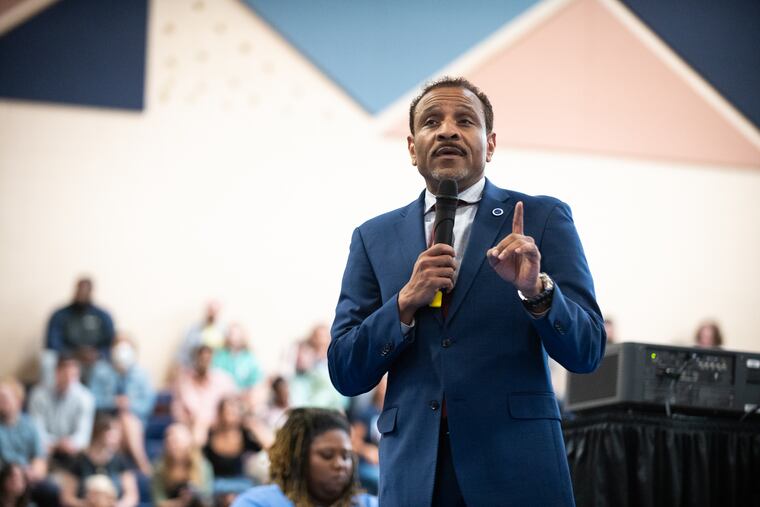
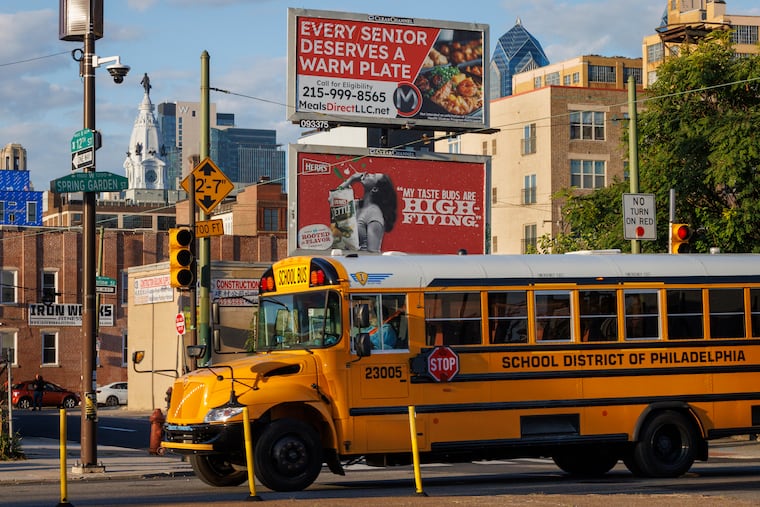
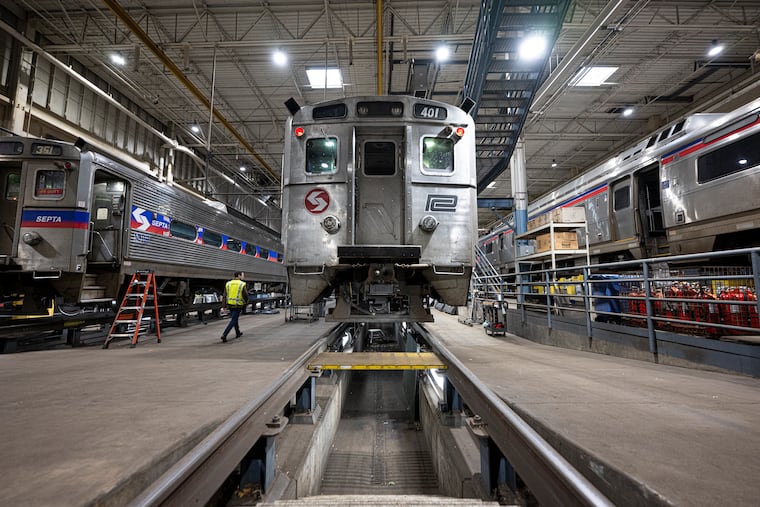
Fewer buses, trolleys, and trains threaten Philadelphia schools’ academic progress, Superintendent Tony B. Watlington said at a school board meeting Thursday.
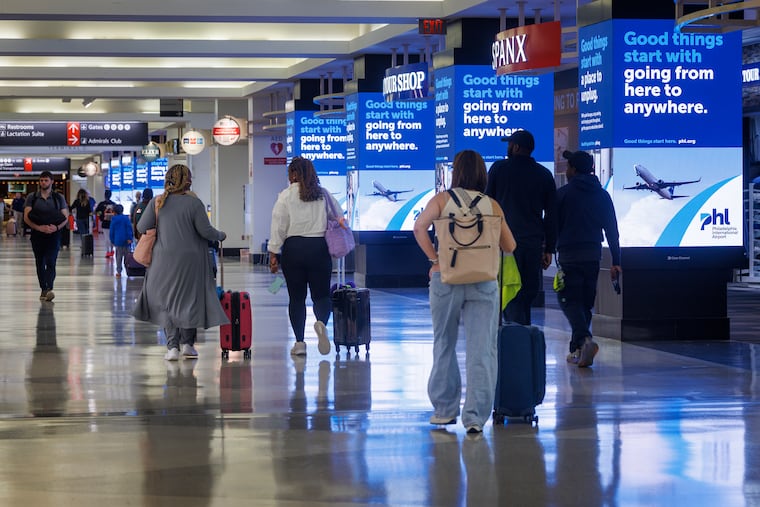
Deep SEPTA service cuts are scheduled to take effect Sunday. More than 50,000 of the district’s students rely on the region’s public transit system to get to school.
“Every impact from this transportation issue will likely have some impacts on our efforts to keep our foot on the gas to accelerate academic improvement,” Watlington said. “We need every day, every hour, and every minute of instruction.”
The district’s first day of classes is Monday, the day after the cuts take effect.
Watlington said students who are late to class because of SEPTA woes will be given grace.
“We are not going to penalize our children, our young people, because of no problem of their own making,” Watlington said.
The superintendent also encouraged families to carpool, and to take advantage of a $300 stipend to drive their children to school in lieu of bus services.
Watlington’s comments came at a meeting where the board took action on dozens of matters. Here are some highlights.
Closing process triggered for two charters
The board voted to issue notices of nonrenewal to two city charters, KIPP North Philadelphia and People for People.
Neither school will close immediately, and in fact the vote does not guarantee closure. It triggers a process that is likely to last years — beginning with nonrenewal hearings to be held in the fall.
If, after the hearings, the board votes again to close the schools, each has the right to appeal, first to a state panel, then to the courts.
Some Philly charters have remained open for years while closure proceedings play out.
Leaders from both schools said the process was unfair and asked the board to reconsider. (The KIPP North Philadelphia nonrenewal passed unanimously; People for People’s vote was 7-1, with board member Whitney Jones dissenting.)
Pri Seebadri, CEO of People for People Charter School, decried what he said was the district’s “flawed, shortsighted approach to charter renewal.”
People for People students showed significant academic growth last year, Seebadri said, and “that’s the true measure of a school’s worth.”
The school, one of the city’s oldest charters, has operated for two decades, but was called out by board members for a laundry list of academic problems, which board vice president Sarah-Ashley Andrews said were “alarming and unacceptable.”
One year of academic growth is not a pattern, board president Reginald Streater said. People for People’s “proficiency rates have continued to remain low and stagnant for years. I’m concerned that after more than two decades, there’s still no evidence for sustained success.”
Natalie Wiltshire, CEO of KIPP Philadelphia, which supports KIPP North Philadelphia, said the school met conditions imposed on it by the charter office, and she underscored the fact that it serves vulnerable students.
The closure move “feels more like it’s about making a political statement,” Wiltshire told the board.
Andrews called out KIPP’s “failure to deliver for our students,” citing problems with suspension rates and academics.
Keystone Opportunity Zones: Not so fast
Board members had sharp questions for city officials who asked them to extend Keystone Opportunity Zones — state designations that give tax breaks to developers for properties that might otherwise go unused — for sites across the city.
The zones have been around for 20 years. Both city and district officials must sign off on them.
Board member Crystal Cubbage questioned the benefit to the city, the district, and its students.
“I want a number more than a narrative,” Cubbage said.
Developers that get Keystone designations are required to work with city students — providing internships and other learning opportunities. But the so-called career-connected learning piece “just feels like an afterthought,” Cubbage said.
Ultimately, the board pushed back voting on Keystone Opportunity Zones until September.
A deal for WPACES
The board unanimously approved a settlement with West Philadelphia Achievement Charter Elementary School, which the state had ordered to pay $30 million to the district for 15 years of enrolling 200 or more students over its legal cap.
» READ MORE: This Philly charter owed the school district $30M and is settling for $2.5M
WPACES, which rejected the state and the district’s claim, had gone to court to stop the payment. Under the terms of the settlement, the school will instead pay the district $2.5 million over five years and agreed to gradually lessen its enrollment.
The school is approved for 400 students. It educated about 650 last year.