SEPTA cuts made Philly schools’ attendance tumble significantly
Early district data show 63% of city schools showed an increase in late arrivals, and 54% had more students absent.

SEPTA cuts hit Philadelphia schools hard the first week of school.
Fewer buses and trolleys meant fewer students coming to class — and more students late, district records show.
In the first three days of the 2025-26 school year, 63% of Philadelphia schools showed an increase in late arrivals, and 54% had more students absent than the first three days of school last year, district officials said.
A well-functioning SEPTA system is “critically important” to the district’s academic goals, Philadelphia School District Superintendent Tony B. Watlington Sr. said Tuesday at an event at Dobbins High School.
Late last week, Mayor Cherelle L. Parker said some routes important to students’ school commutes would be restored because she had reached a deal for SEPTA to use previously allocated funding in different ways.
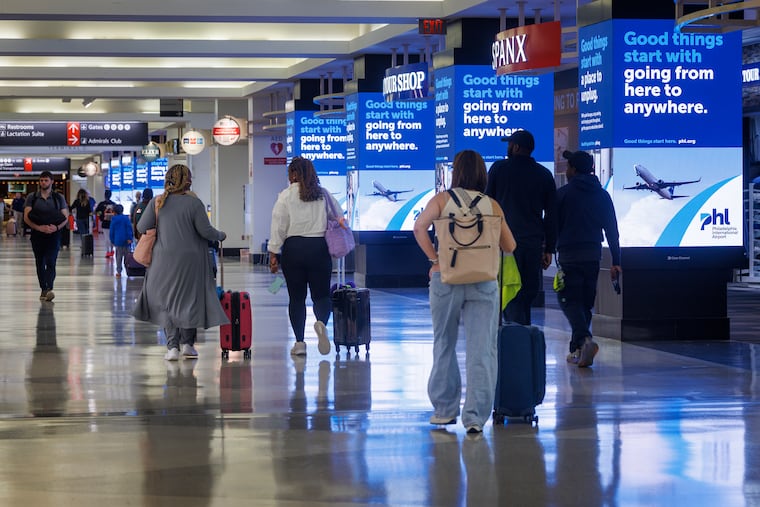
About 52,000 students rely on SEPTA buses, trolleys and trains to get to and from school.
The district has made gains in reading and math achievement, student and teacher attendance and dropout rate in recent years, but that continuing is contingent on kids being able to get to school.
“There’s no way that the school district can make up for that level of learning loss that really is not the students’ fault,” the superintendent said of SEPTA cuts.
Watlington encouraged those families who are able to do so to carpool, and talked up the district’s flat-rate program, which pays eligible parents $300 monthly to drive their children to and from school.
And for those students who miss instruction because of SEPTA problems?
“We won’t penalize children who are late through no fault of their own,” the superintendent said.