Philly schools are paying the price of a late state budget
The School District of Philadelphia, the state’s largest school district serving nearly 200,000 students, will not receive approximately $311 million in state funds for July and August.
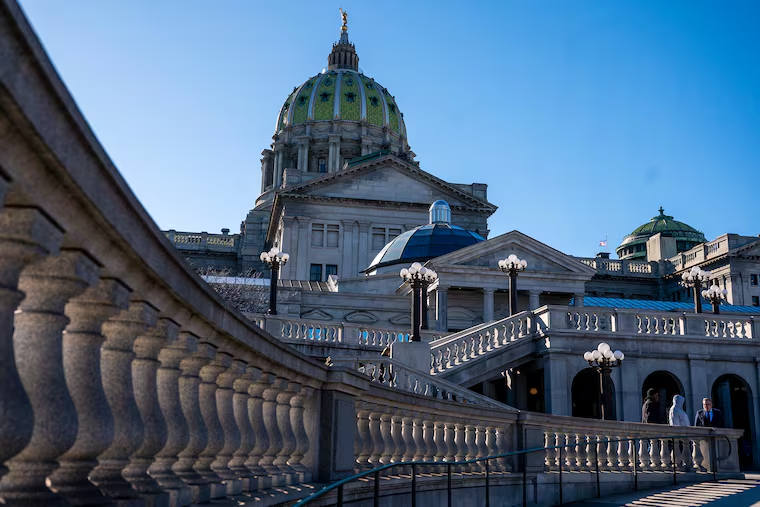
HARRISBURG — The late state budget is already costing Pennsylvania’s public schools.
Elected leaders in Harrisburg have been unable to reach a budget deal a month into the new fiscal year. And until the narrowly Democratic state House, the GOP-majority state Senate, and Gov. Josh Shapiro sign off on a final spending plan — likely to total more than $50 billion — the monthly payments expected by the state’s public schools and higher education institutions are on hold.
Until then, schools must tap into whatever reserves they have or take out loans to keep their doors open and make their own state-obligated payments — a doubly hard challenge for districts like Philadelphia that are heavily reliant on state funds.
Uri Monson, Shapiro’s budget secretary, wrote in a letter to education institutions obtained by The Inquirer this week that the state cannot release any of the $1.4 billion in basic education funding and $255 million in special education funding, which were due to be paid to school districts throughout Pennsylvania for the months of July and August.
“As you may know, Pennsylvania is one of few states with a divided state legislature,” Monson said. “This reality means that for a budget to be passed, compromise is necessary.”
Another $527 million won’t be released by the state for county services like child welfare, behavioral health, and rape-crisis centers, among others, Monson wrote in another letter sent Tuesday.
“Negotiations are continuing and the dialogue is respectful and productive; however, finding agreement can be slow moving and we have not yet come to final agreement on these critically important issues,” Monson added, noting that districts and counties should make plans to secure their own loans and financing to support them during the budget impasse.
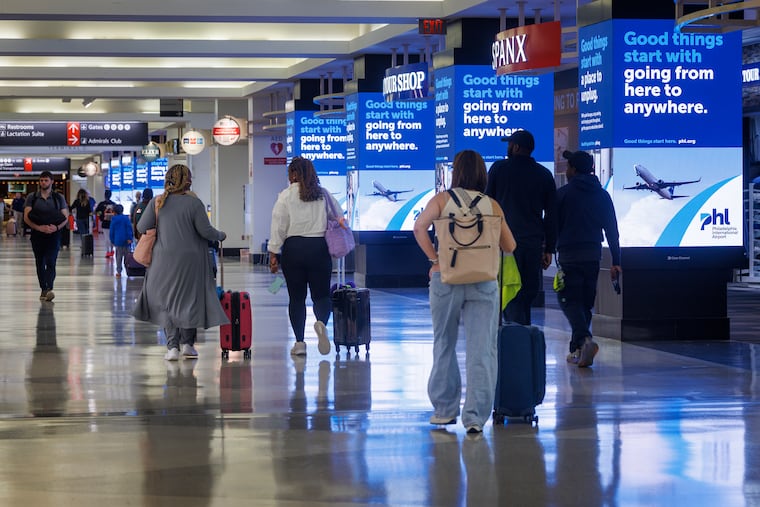
The School District of Philadelphia, the state’s largest district serving nearly 200,000 students, will not receive approximately $311 million in state funds for July and August, said district spokesperson Monique Braxton in an email.
What’s more: The city’s school district is due to pay approximately $289 million of those funds to charter schools, and the district will likely need to borrow at high interest rates to be able to make these payments and payroll.
Charter school students make up approximately 40% of all district students; Philadelphia had approximately 64,000 students in brick-and-mortar charter schools and another 14,000 in cyber charters as of October 2024, according to district data.
Picking up the tab, with interest
Following the implementation of a new public education funding formula after the former system was ruled unconstitutional in 2023, there has been little fanfare about whether school districts will get the funding increases they need from this year’s budget.
It’s the first time in more than a decade that public education advocates haven’t had to worry about the state’s poorest districts that have few local options to raise revenue, in anticipation that the state will apply its new funding system again for a second year.
» READ MORE: Some Pa. school districts are facing budget cuts despite winning a court case over state funding
But with a state budget yet to be finalized, school districts, the state’s community colleges, state-owned colleges, and state-related universities are left to pick up the tab, as lawmakers continue to try to come to an agreement on major issues such as funding mass transit, Medicaid, and more.
School District of Philadelphia officials are “analyzing our daily cash flow” and deciding how much they will need to borrow to make their state-obligated payments and payroll for the start of the school year. Last year, district officials borrowed at a 3.9% interest rate, when the budget was approximately two weeks late.
William Penn School District, which won its landmark case in 2023 that led to the new education funding system in Pennsylvania, announced in June it would take out a $10 million loan, which was expected to cost the district $100,000 in interest and fees.
District officials anticipate that interest rates will be higher this year “based on market conditions,” Braxton said. Those higher interest rates translate to a monetary cost of a late state budget for school districts: When leaders in Harrisburg can’t meet their constitutional requirement of passing a balanced budget by the start of the next fiscal year, it is schools and counties that are forced to secure their own funding in the meantime.
Pennsylvania school districts took on an additional $50 million in interest and fees to borrow more than $900 million during the 2015 budget impasse under former Gov. Tom Wolf, which lasted for nine months, according to the Pennsylvania School Boards Association.
In addition to the late public school payments, Pennsylvania cannot pay higher education institutions until a budget is finalized, according to Monson’s letter, including:
$110 million to its state-owned colleges in the Pennsylvania State System of Higher Education.
$51 million to state-related universities of Penn State, the University of Pittsburgh, Temple University, and Lincoln University. These payments benefit in-state students for a tuition discount.
$73 million to community colleges for July, and $25 million for capital payments in August.
The withheld state funding is the latest challenge from Harrisburg for the School District of Philadelphia, which is about to start a new academic year on Aug. 25. Without additional state funding, SEPTA is also set to implement major service cuts and fare increases the day before the first day of school for students, approximately 52,000 of whom rely on public transportation to get them to and from school.