Daveigh Chase, ‘Lilo & Stitch’ voice actor, died of AIDS, officials say
The case information for Daveigh Chase, who was 35 and also known as Daveigh Schwallier, said her death at a hospital June 16 was natural.
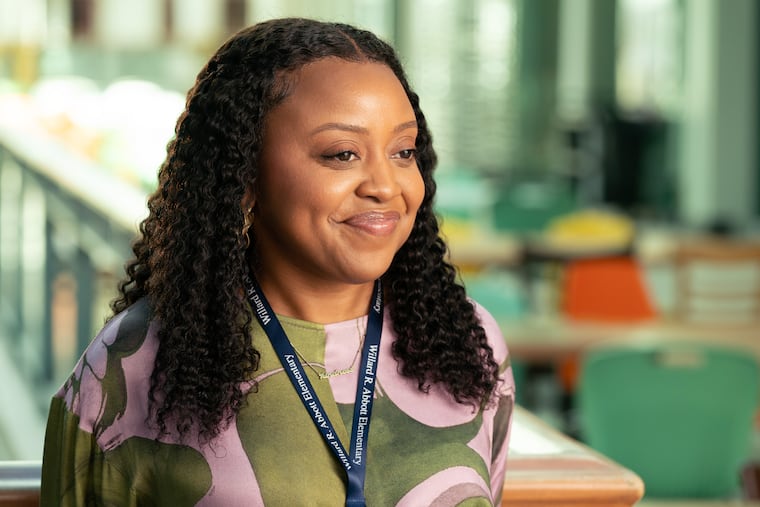
Daveigh Chase, an actor known for voicing the character of Lilo in the hit animated film “Lilo & Stitch,” died in Los Angeles this month of AIDS, the county’s Department of Medical Examiner said Monday.
The case information for Chase, who was 35 and also known as Daveigh Schwallier, said her death at a hospital June 16 was natural. It listed AIDS, which is caused by HIV, as the cause, and said that “chronic polysubstance use” — repeatedly using more than one drug or substance at the same time or within a short period of time — was a “significant condition.”
The Los Angeles Department of Medical Examiner said a more detailed report about the case was not yet available.
When Chase’s father, John David Schwallier, confirmed his daughter’s death to The New York Times, he said the cause was complications of bacterial meningitis and a blood infection. Schwallier also said his daughter had been homeless and living in Los Angeles with her boyfriend near the hospital where she died.
“Lilo & Stitch,” released in 2002 when Chase was almost 12, told the story of an orphaned Hawaiian girl, Lilo, who brings home an impish blue space alien, Stitch, from the dog pound. Chase brought the plucky Lilo to life.
Her breakout role, however, was in the live-action thriller “The Ring,” released in the United States roughly four months later, alongside Naomi Watts. Chase played Samara, a long-haired child villain. The image of Samara crawling through a blurry television screen would become seared in the cultural consciousness of that period.
This article originally appeared in The New York Times.