Flyers score a power-play goal in Game 2, but ‘need a little more execution’ to close gap on Hurricanes
The Flyers, who had the league's worst power play in the regular season, got some help from special teams early in Game 2. But they only converted on one of their chances,
RALEIGH, N.C. ― During the regular season, an announcement that the Flyers were going on the power play was met with more apathy than excitement.
The Flyers had the league’s worst power-play efficiency (15.7%) in the regular season, and it connected just twice on 17 opportunities (11.8%) against Pittsburgh in the first round of the playoffs.
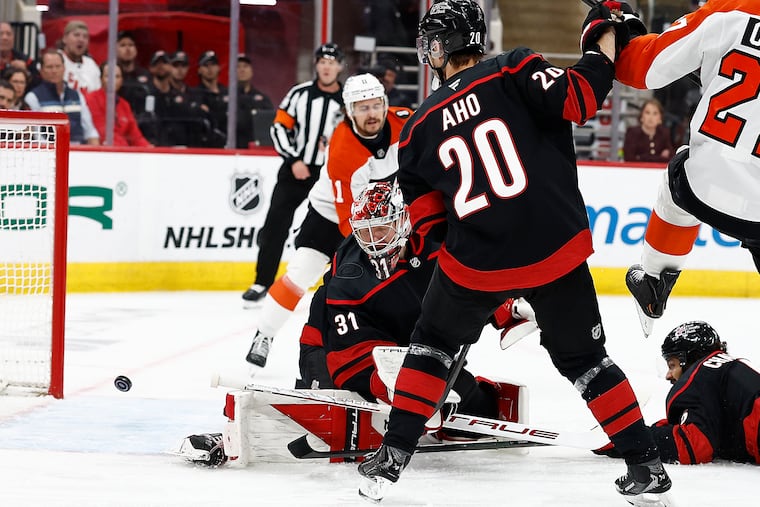
So it was with some measure of shock and surprise that the Flyers actually opened the scoring with a goal on their first power play, just over four minutes into Monday’s 3-2 overtime loss against the Carolina Hurricanes in Game 2 of their second-round series.
» READ MORE: Flyers squander two-goal lead, lose 3-2 in OT to fall into 2-0 series hole
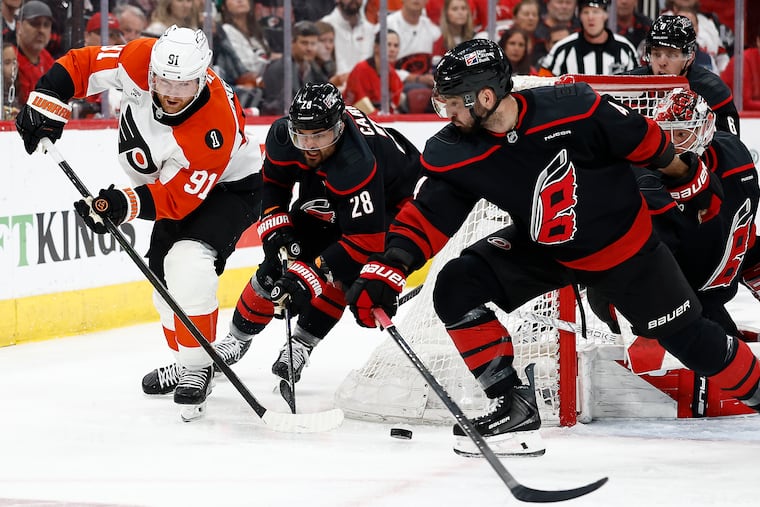
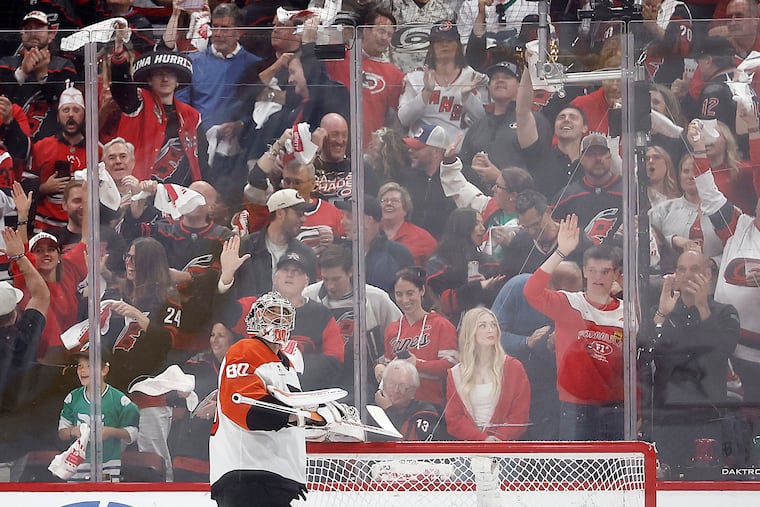
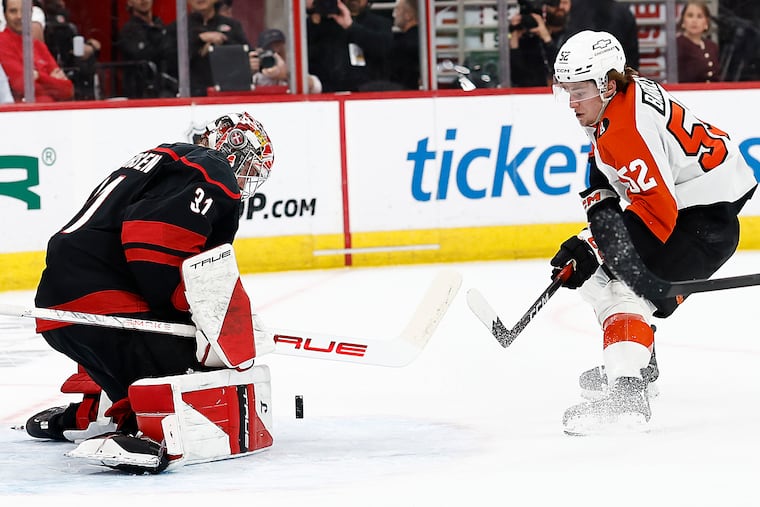
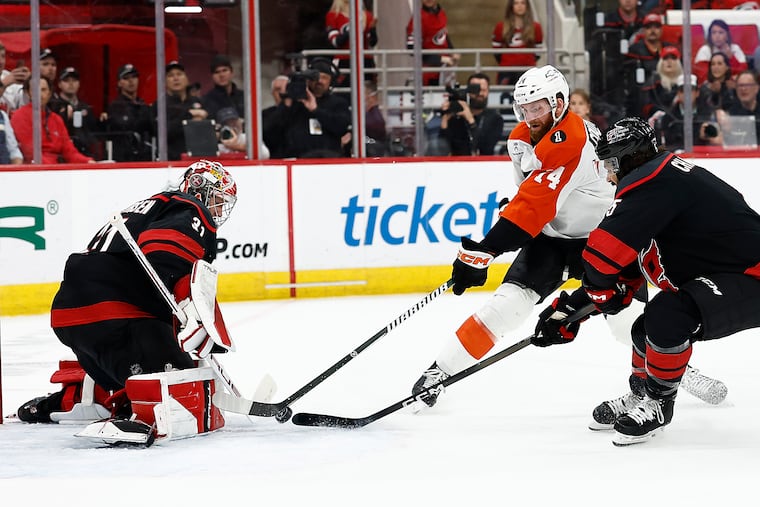
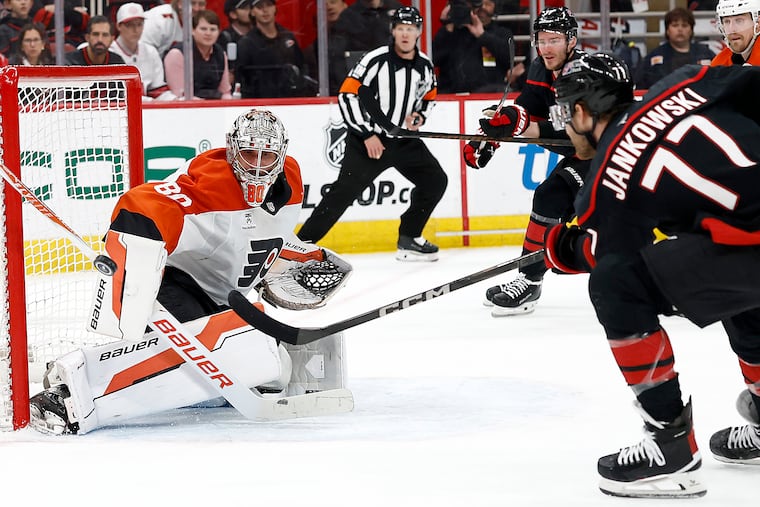
Jamie Drysdale picked up a loose puck in the slot and wristed it right past Hurricanes goalie Frederik Andersen for Carolina’s first deficit of the series.
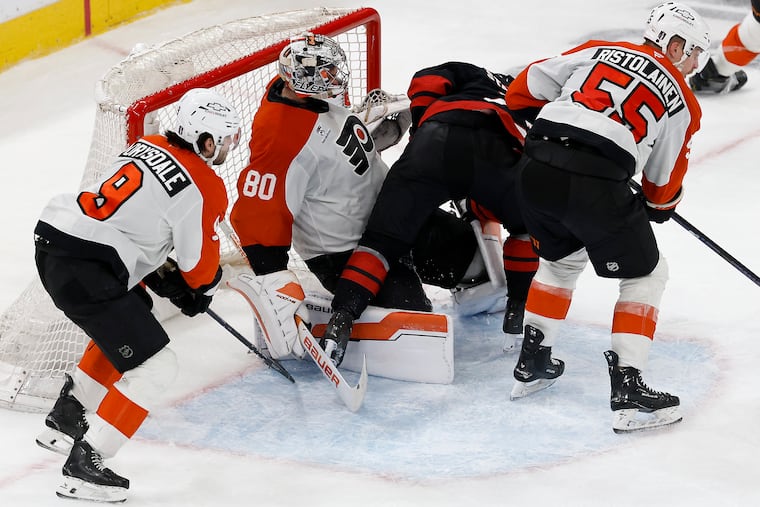
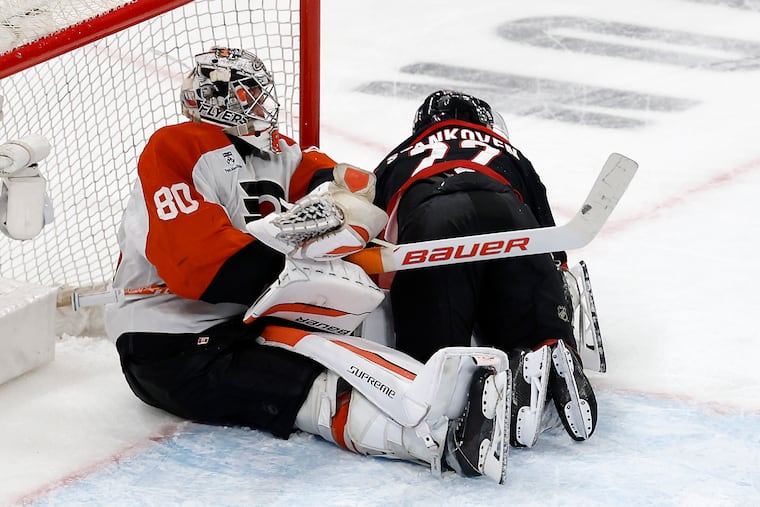
Monday’s game was heavy on special teams opportunities. The Flyers got seven cracks at the power play, including one in overtime, and the Hurricanes got six and also scored on their first chance.
“The first few, I thought we actually had a handful of good looks, and then we maybe got away from the game plan a little bit,” Drysdale said. “They adjusted, for sure, as well. I think it’s just, throughout a series, same team, same kill, you’ve just got to keep adjusting and reacting. We can definitely be better.”
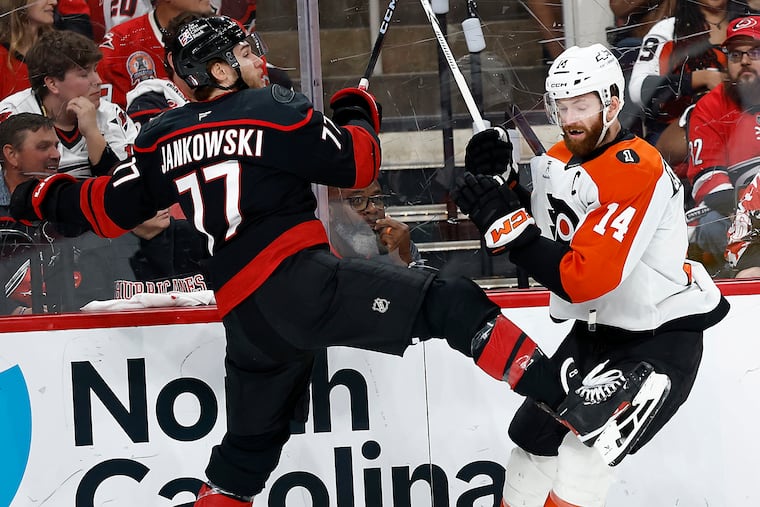

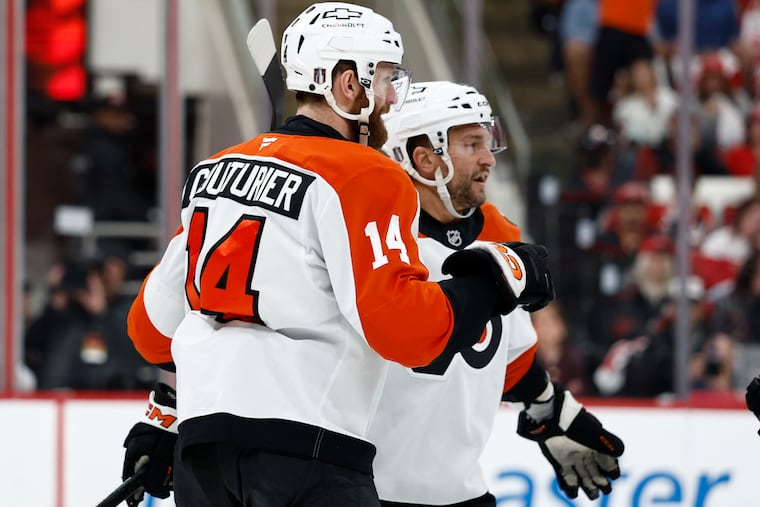
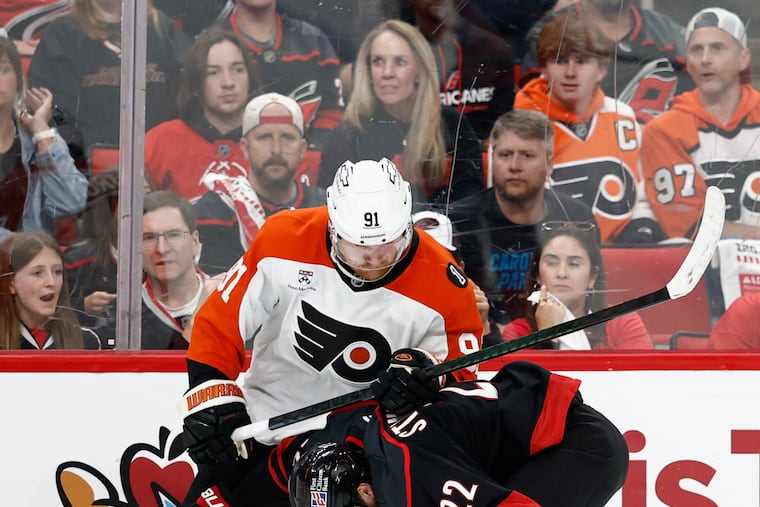
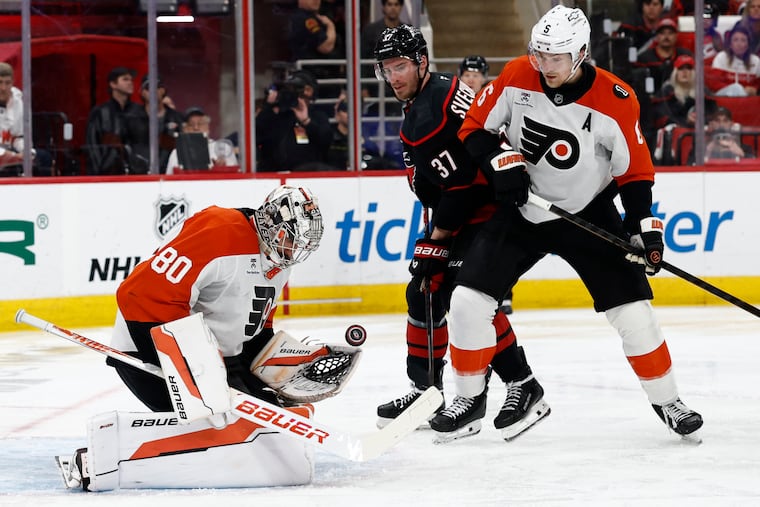
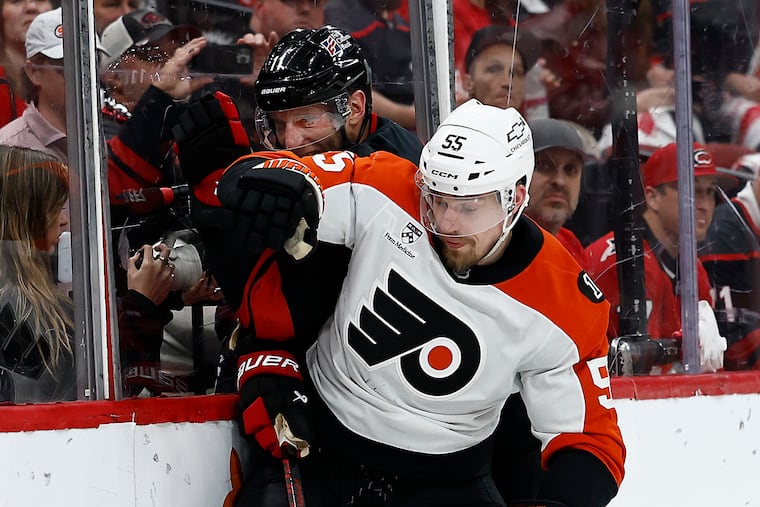
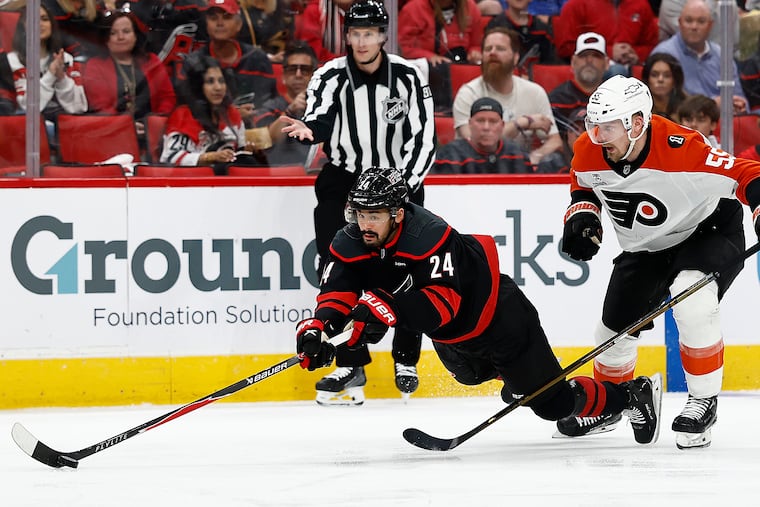
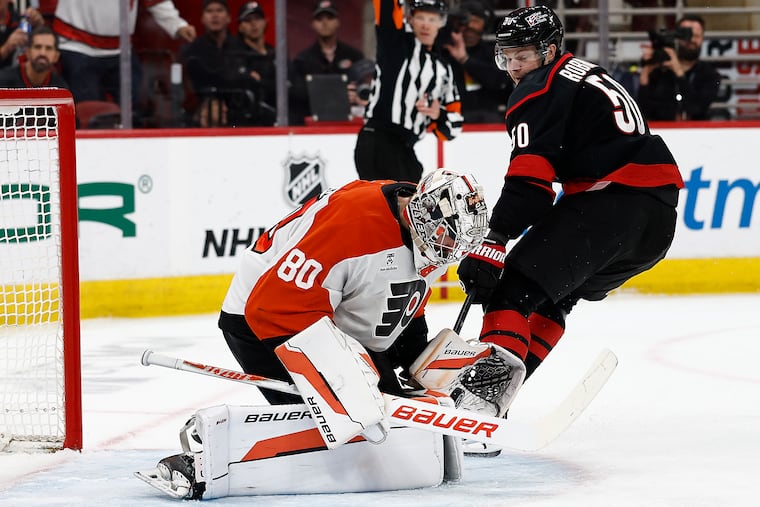
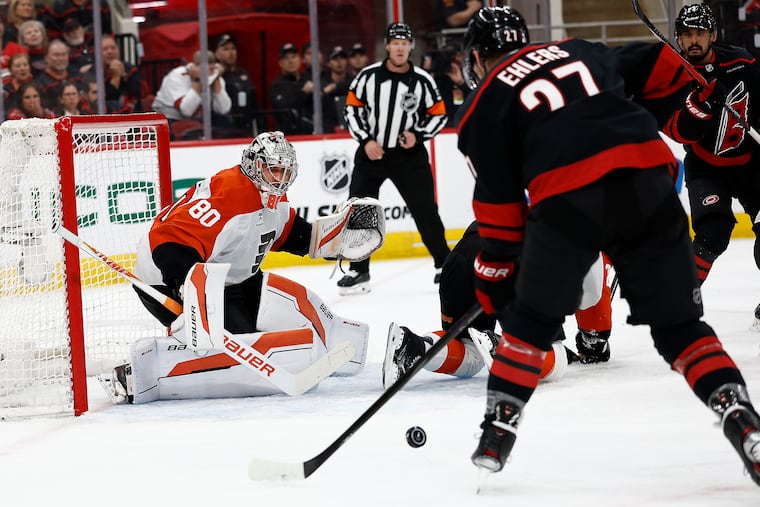
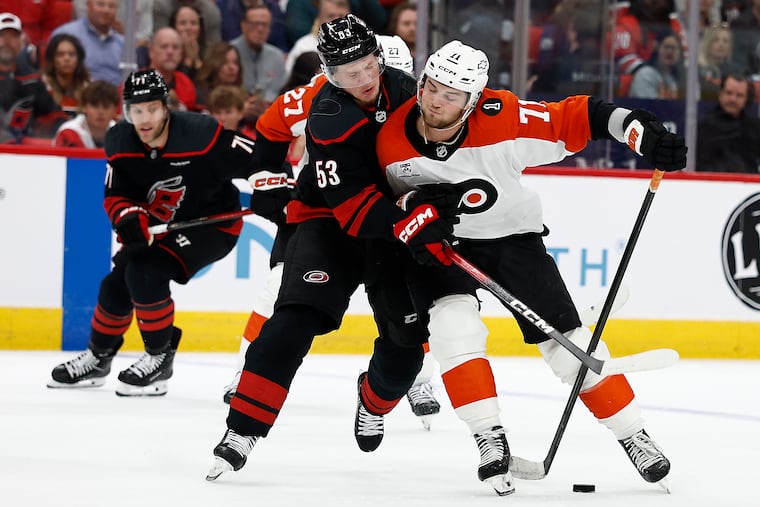
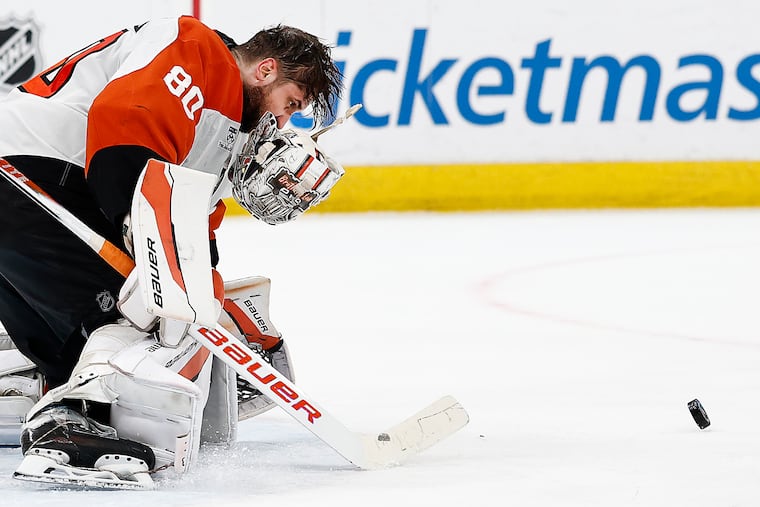
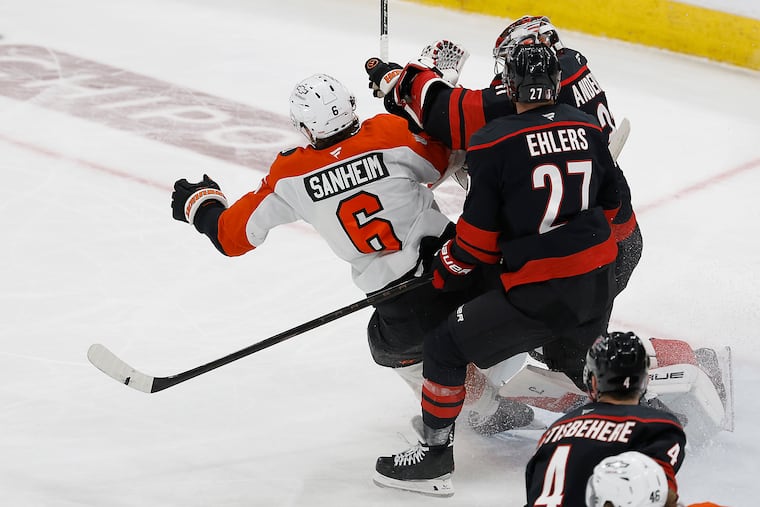
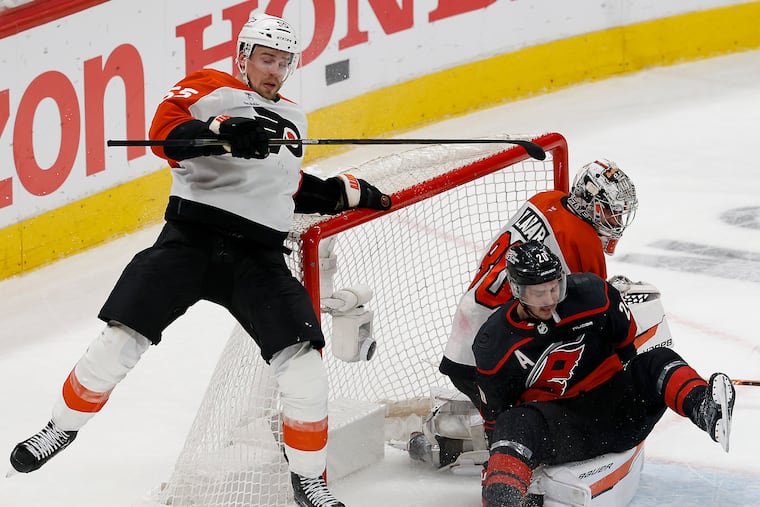
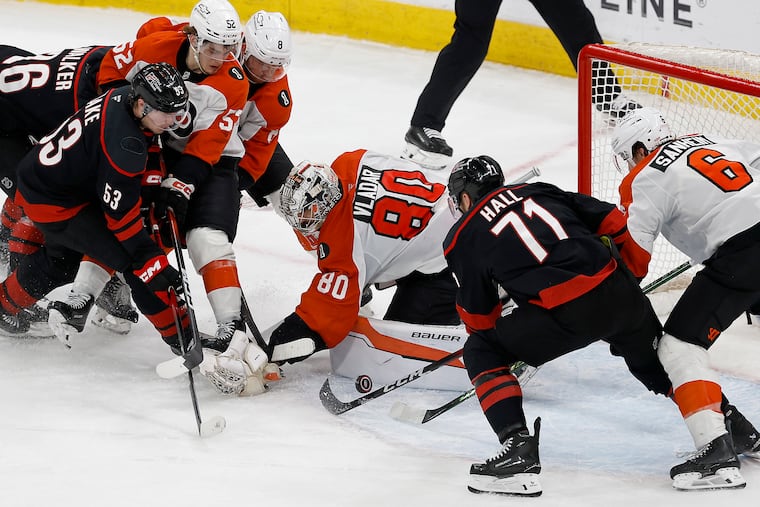
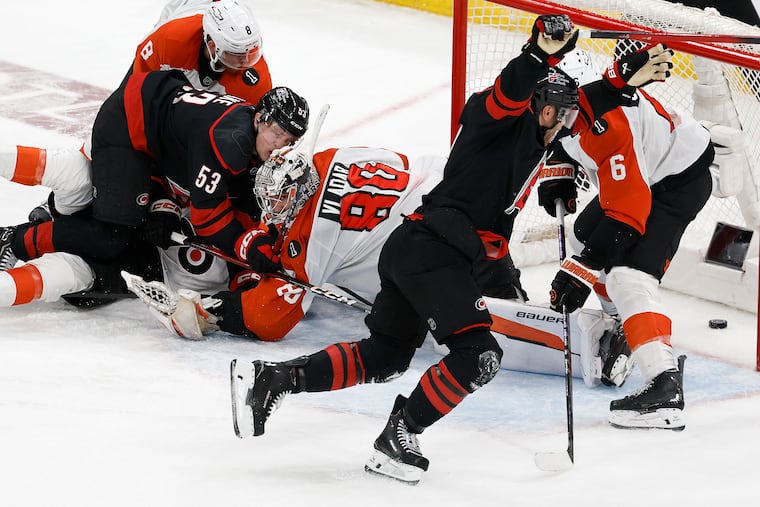
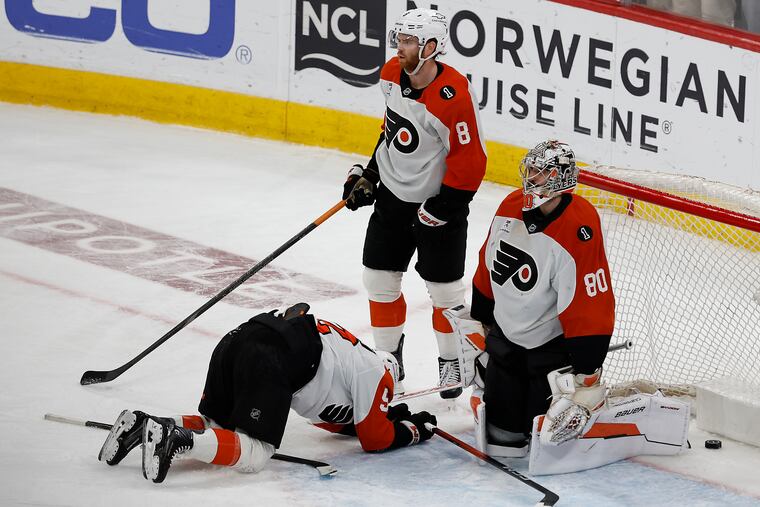
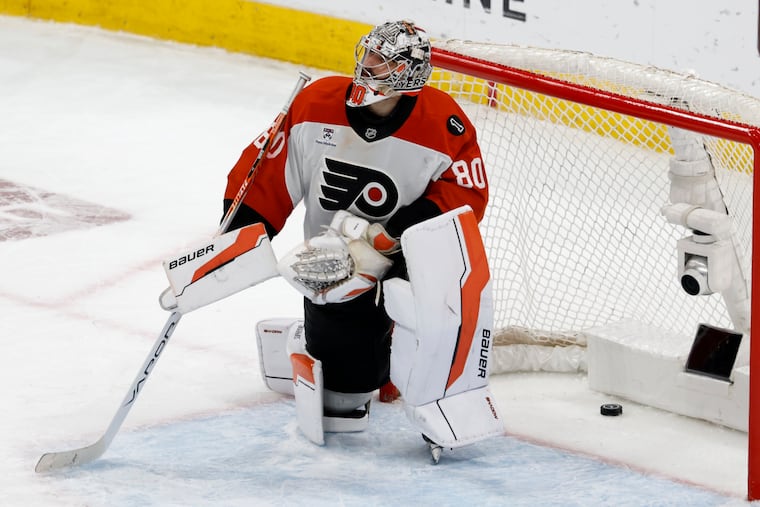
The high number of penalty minutes on both sides knocked the Flyers off their rhythm a bit, Travis Sanheim said. It’s no coincidence that the Flyers played their best five-on-five period of the game in overtime, when there was just the one penalty.
But the Flyers also managed just three shots on the six power plays in regulation, one of them being the goal. On their final power play in overtime, they got four shots on net but still failed to score.
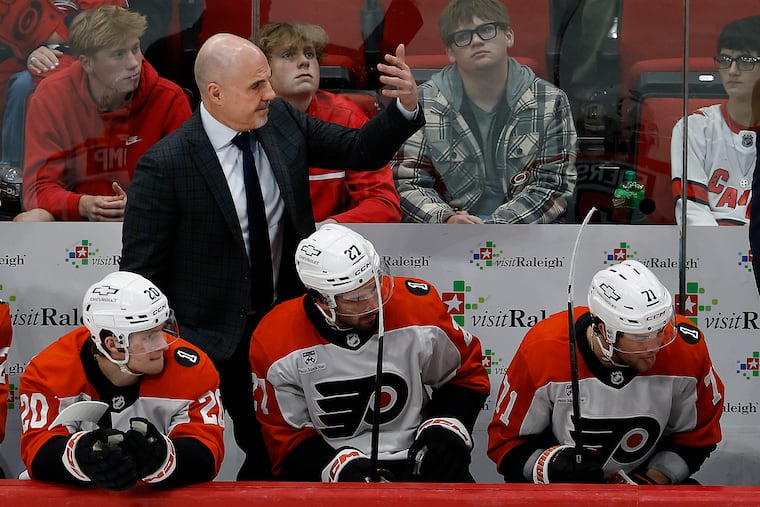
“I don’t know the answer,” coach Rick Tocchet said of the Flyers’ power-play woes. “You’ve got to make the play. We had three times where we had, if we just get it over, the guy gets a tap-in. … It was good, I thought, the first couple early, and I thought we had some looks there, but we had a couple times where we passed up a shot, but that’s just confidence.”
» READ MORE: Sielski: There’s no shame in the Flyers’ Game 2 loss. The Hurricanes are just better.
The Flyers haven’t had much reason to be confident in their power play this season. To take the next step in closing the gap with teams like Carolina, the power play will need to improve.
But the Hurricanes, famous for their shot-suppressing defensive system, also just have a really good penalty kill. Carolina had the 11th-ranked penalty kill in the regular season, killing 80.5% of power plays. They found another level in the postseason, killing 95.2% of the Senators’ power plays in the first round (20 of 21).
“They’re a great kill over there, but I thought we had a lot of momentum on our power play, too,” Travis Konecny said. “I mean, we had a goal. It wasn’t all bad. They’re going to make some good plays. I thought we moved it around, [need a] little more execution and [to] get a few more looks, but overall, I think it’s a step in the right direction.”