Three reasons the Flyers aren’t panicking and neither should their fans
They are still in command of the series against the Penguins heading for Game 5. They broke through late against Artūrs Šilovs, which should give the Flyers a boost.
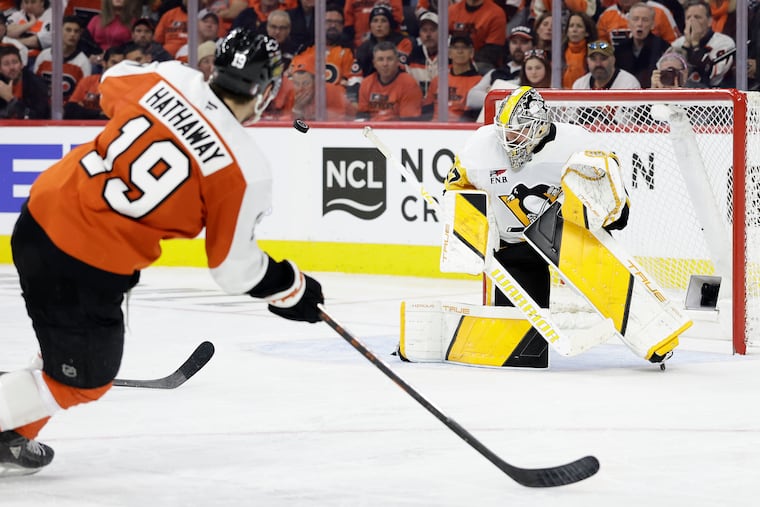
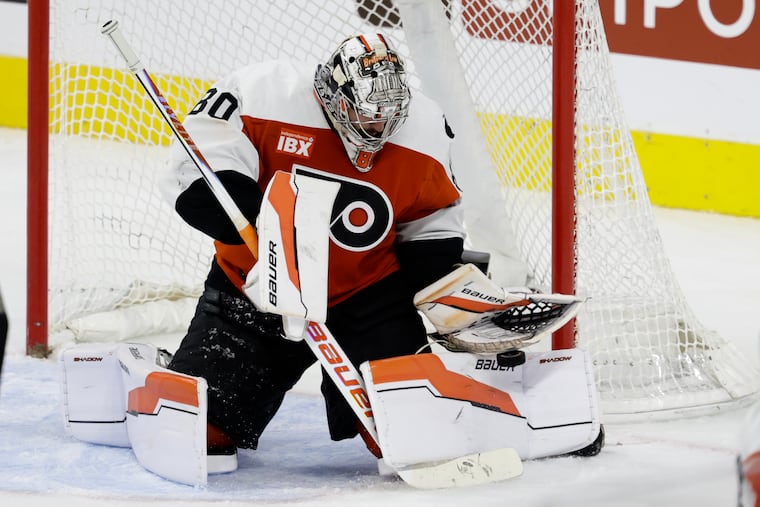
Goalie Dan Vladař probably summed it up the best after the Flyers lost for the first time in their Eastern Conference first-round series against the Pittsburgh Penguins:
“We are good,” he said several times. “We’re good.”
That’s an accurate statement. Although they couldn’t close it out Saturday at home in front of the faithful, the loss doesn’t put the Flyers on the brink of elimination. That pressure still belongs to the Penguins, who trail three to one in the best-of-seven series despite a 4-2 victory in Game 4.
“It’s hard to win four in a row in the regular season,” forward Travis Konecny said, hinting at the Flyers’ inability to win four straight since February 2024, despite winning six in a row across the regular season-playoff barrier.
“It’s difficult, but I mean, once we got in this position, we have all the confidence coming in today. ... But you knew they were going to have a press, they were going to have a good game. Just answer [in] the next game.”
Here are three reasons the Flyers are not panicking as they head back to Pittsburgh for Game 5 on Monday (7 p.m., ESPN, NBCSP).
1. They have proved they can score on Artūrs Šilovs
There has been a long-held mantra for postseason games that you keep playing till the final buzzer, even if it’s a blowout, because it helps build momentum for the next game.
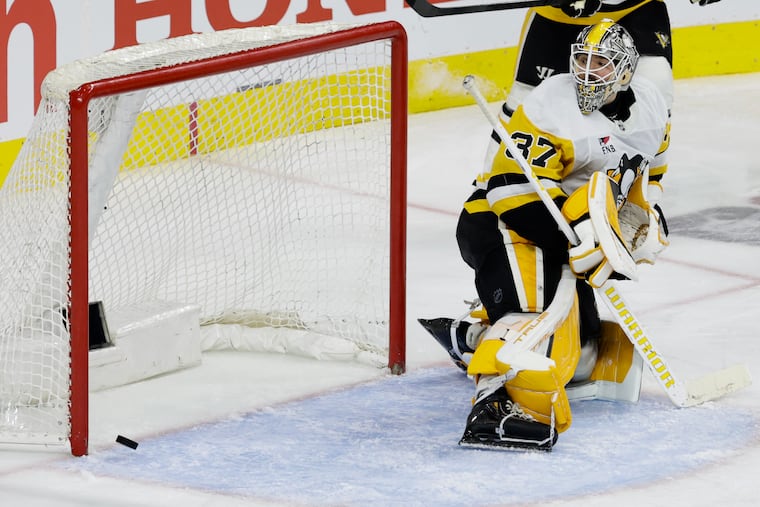
Saturday wasn’t a blowout, far from it, as one of the Penguins’ goals was an empty-netter, but the fact that the Flyers showed they can beat Artūrs Šilovs twice in his 2026 postseason debut, and generate chances as the game wore on, creates a shift.
“Yeah, I thought we finished strong,” Konecny said. “Thought we played hard all the way to the end. I loved our press at the end to try to tie it up. Just didn’t happen.”
» READ MORE: The Flyers have to pass an unfamiliar test after losing Game 4 to the Penguins
With the Flyers facing a goalie who hadn’t played in 11 days — he played 17 minutes, 30 seconds in relief in the season finale — or started a game in 14 days, the Penguins clamped down a bit to protect him from rushes up the ice that the Flyers have been known for since the Olympic break.
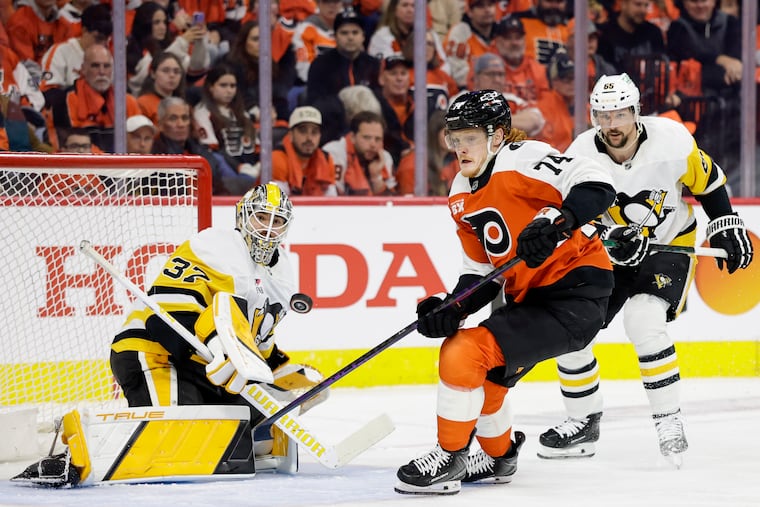
The problem from the jump was the lack of shots — nine in the first period and just one in the first 12 minutes, 29 seconds. Like a goalie coming on cold in relief, against a netminder who hasn’t faced true game conditions in a while, the ability to generate shots and make him move is important. It helped the Latvian netminder get comfortable.
But the Flyers did start to pick it up, and according to Natural Stat Trick, by the end, they put nine high-danger and eight mid-danger shots on Šilovs, compared to the nine total hat Vladař faced.


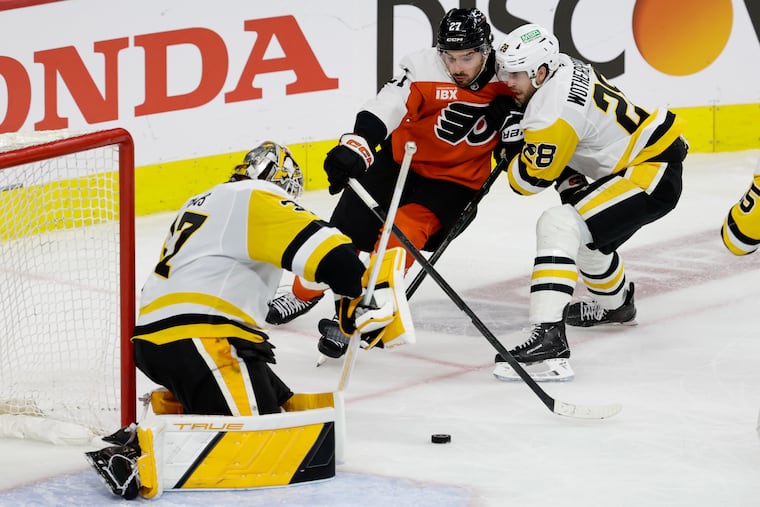
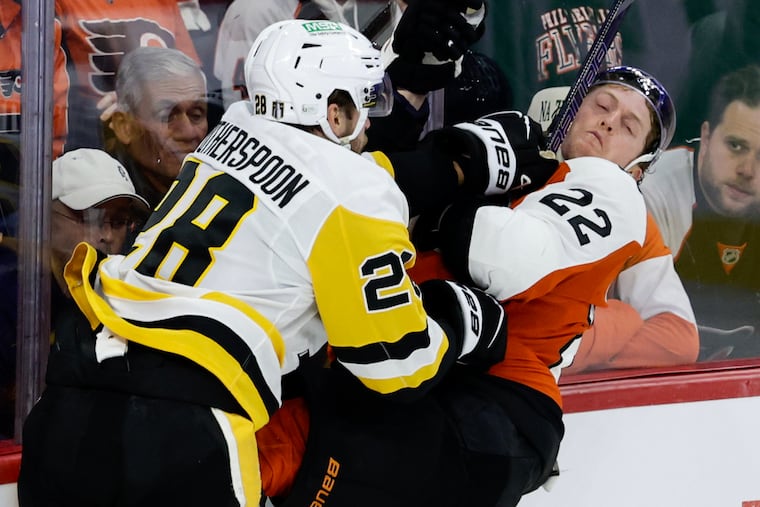
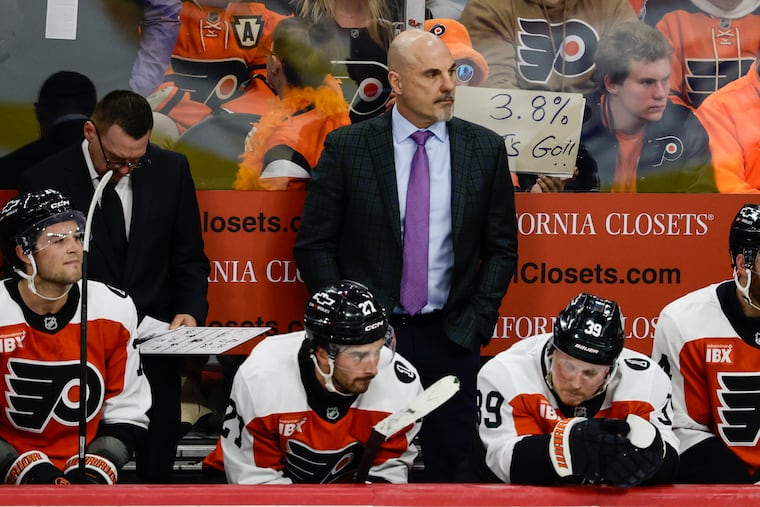

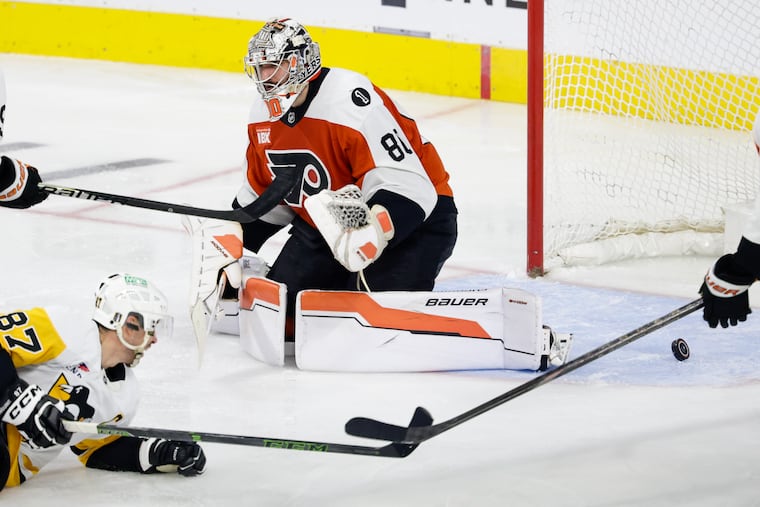
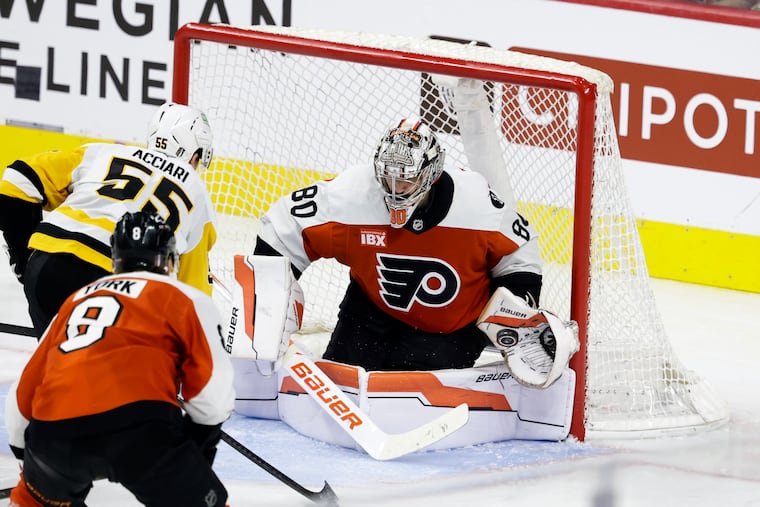
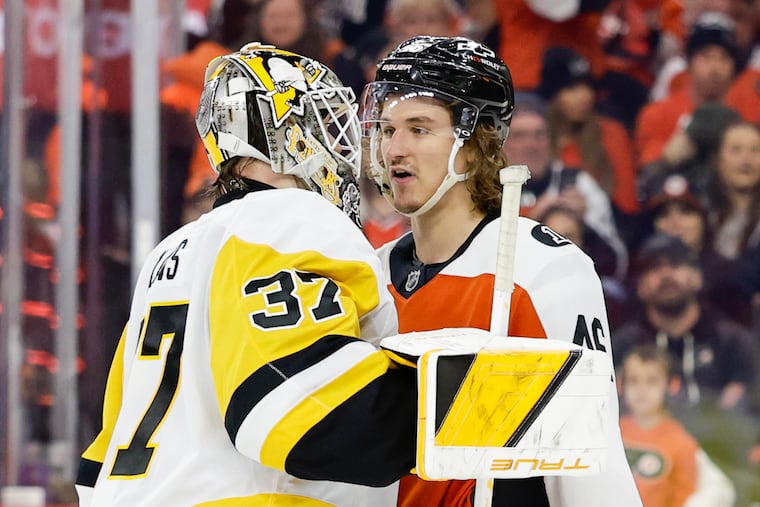

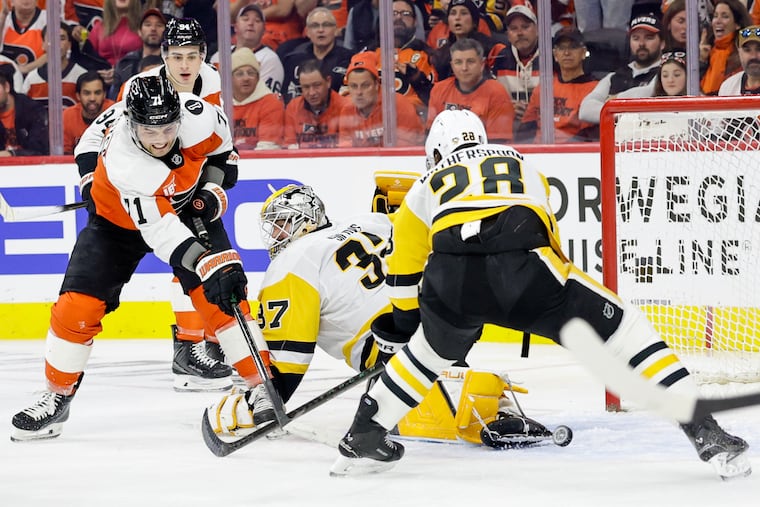
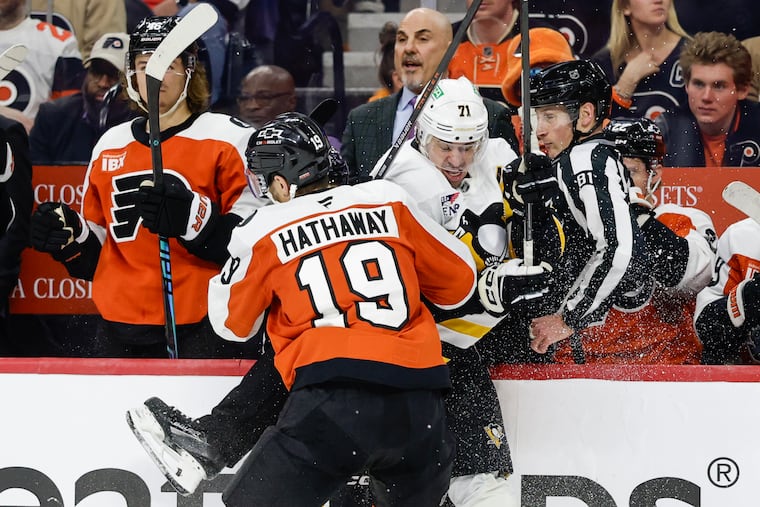
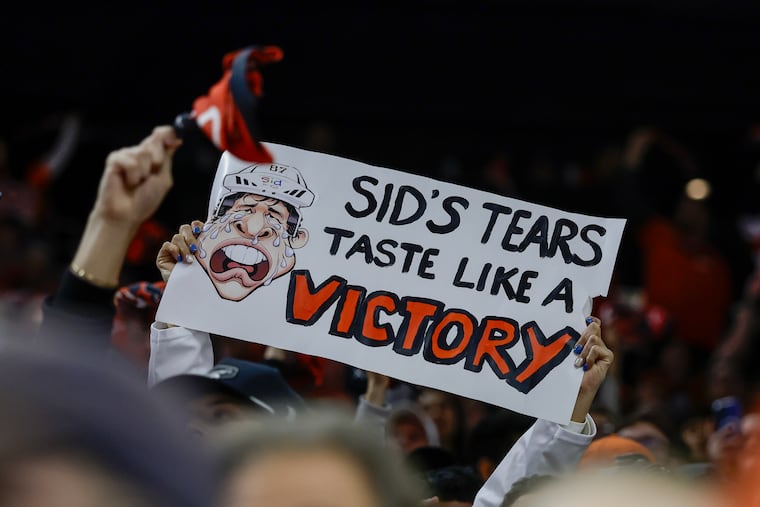
“I don’t know if it’s complacent. We didn’t do the little, small things, chipping the body, winning some puck battles,” said coach Rick Tocchet, who thought some individuals weren’t digging in enough, came out a little sluggish, and hinted at some lineup changes. “I think they were a little more desperate at times.
“But we did fight back, so that’s the good part of it.”
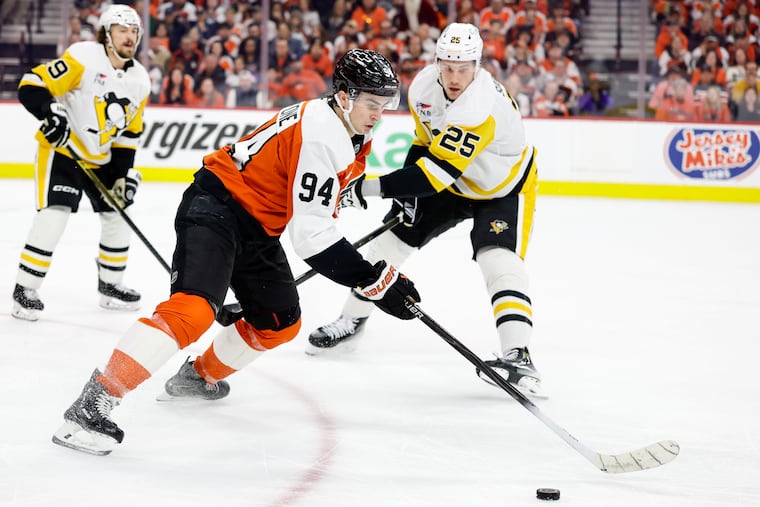
After Denver Barkey scored in the second period at the net front and Konecny’s goal went right over Šilovs’ shoulder, it boosts the Flyers’ mental game in that he is not an unpenetrable wall and that the Penguins are not untouchable. It gives the Penguins something to ponder, too.
“I think we came up the ice a little bit more connected,” Barkey said of the third period. “I feel like the first few periods, we weren’t as connected, we weren’t coming up the ice with speed, and that’s when we’re at our best.
» READ MORE: Flyers’ comeback falls short as Penguins win 4-2 to push series back to Pittsburgh
“We’re a fast team when we’re establishing our forecheck. ... So I think we got away from that, and we had it at times, but we’ve got to do it for 60 minutes.”
2. They know one easy fix: Stay out of the penalty box
The conversation heading into this series was how potent the Penguins’ power play is, and after going 0-for-7 across the first two games of the series, Pittsburgh has struck three times on eight opportunities.
But it wasn’t the fact that Sidney Crosby scored five seconds into a power play on Saturday; it was a momentum killer. Right before the penalty on Barkey, as his stick got up high on Samuel Girard as they battled for position in front of the goal, the Flyers were starting to get back on track.
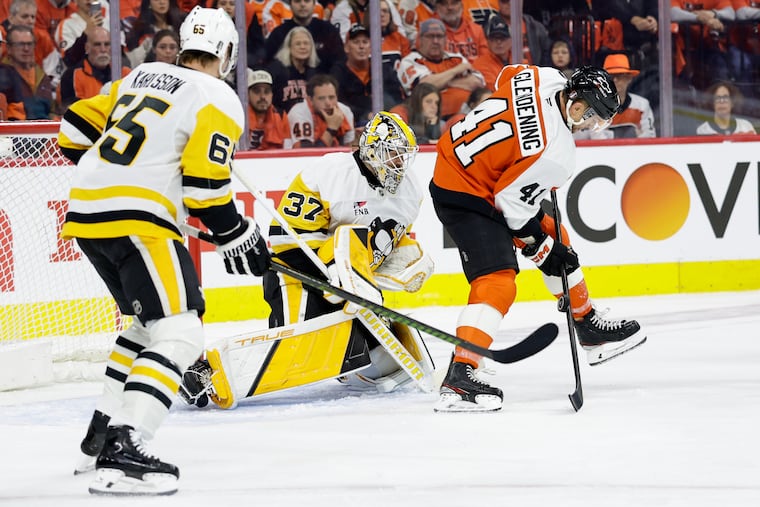
With the game scoreless and just over 10 minutes left in the opening frame, they had a power play. Yes, it didn’t generate much, but right at the tail end, coach Rick Tocchet sent out the fourth line (nickname still TBD). On the ice with Konecny, who hadn’t had a chance to change yet, Sean Couturier and Luke Glendening had the Flyers’ best chance of the game thus far as Glendening just missed wide from atop the crease.
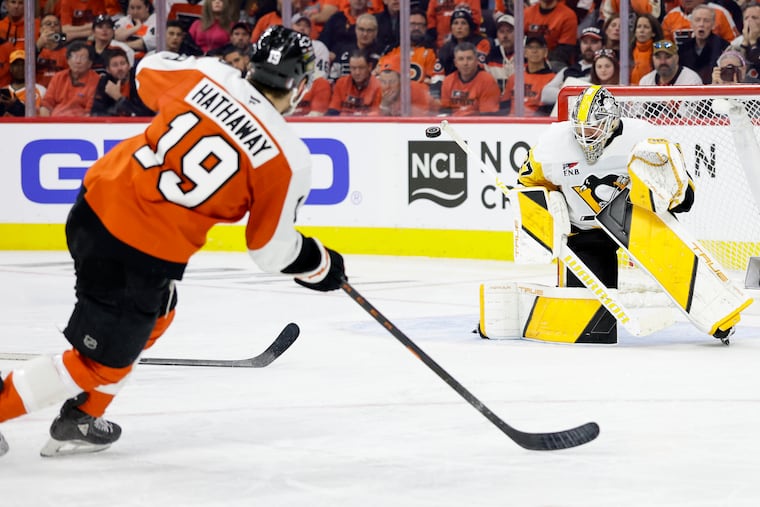
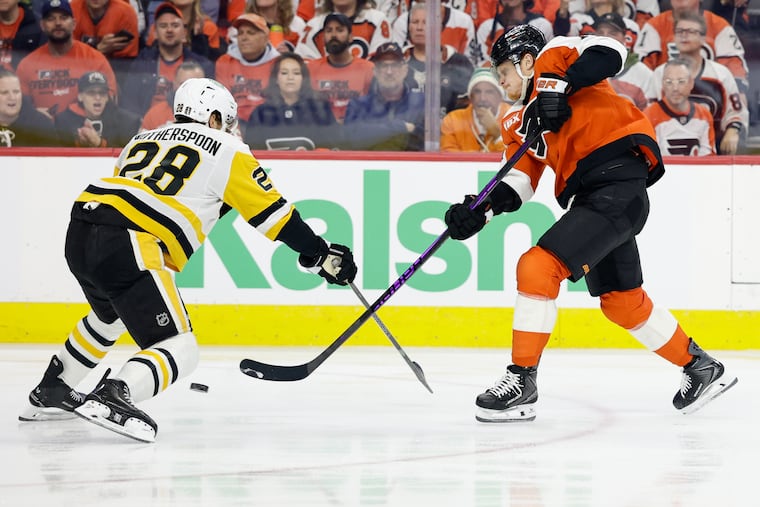
After a TV timeout, there was a Garnet Hathaway shot, a shot by Travis Sanheim that was blocked, good pressure by the line of Trevor Zegras, Owen Tippett, and Tyson Foerster that led to a Cam York slap shot, and a shot by Jamie Drysdale that Šilovs shakily saved.
“Yeah, I think just keeping it simple, getting pucks in on the forecheck, it’s one of our strengths ... and it took a little bit for us to get that going tonight,” forward Christian Dvorak said.

Flyers win series 4-2
Game 1: Flyers 3, Penguins 2 | Sielski: Kids stand tall
Game 2: Flyers 3, Penguins 0 | Sielski: Stealing Pens' will
Game 3: Flyers 5, Penguins 2 | Sielski: Shades of glory days
Game 4: Penguins 4, Flyers 2 | Sielski: New test awaits
Game 5: Penguins 3, Flyers 2 | Hayes: Now what?
Game 6: Flyers 1, Penguins 0 (OT) | Sielski: Exceeding expectations
“And I think we’ve just got to make sure we have to stay out of the box, kind of kills momentum. And we like our chances five-on-five, so we’ve got to roll our lines and everything. So yeah, took us a little bit to get going tonight.”
Five-on-five, the score would have been 2-2 in Game 4, and although the Penguins have more shot attempts across the series — albeit a lot from the outside — the Flyers have outscored them 8-2. Pittsburgh made adjustments, clamping down on the Flyers’ attack early, but the hosts were able to counter later in the game.
“Hopefully that carries over,” Sanheim said. “I thought we started to take over the game in the second half. Obviously, they’re trying to hang on to the lead, so that’s to be expected; teams kind of sit back a little bit. But we generated a lot in the second half, and we just couldn’t find a way to get it done.”
3. They were 7-1 after a loss following the Olympic break
Dating back to even the John Tortorella era, this Flyers team knows how to respond to a loss.
This season, since the Olympic break, the Flyers have had only one losing streak, a two-gamer to the Washington Capitals and Detroit Red Wings. It was their only consecutive defeat among the eight losses since Feb. 25. One of those wins was a 4-3 shootout victory in Pittsburgh after a 3-0 loss to the Utah Mammoth.
“Feel like we’ve been good responding after a loss and after adversity, so can’t get too frustrated,” Dvorak said. “We’re still in a good spot and get back to work.”
The Flyers are in a good spot also because they’ve gone into hostile territory and have stolen two games at PPG Paints Arena already. And they know the Penguins and their fans are going to make it difficult on them.
However, keep in mind that while the Flyers are 2-0 on the road in the playoffs, they had the eighth-best road points percentage during the regular season (.610). And since talk of the Flyers’ play starts and stops with the Olympic break, they also tied for the third-best points percentage in the NHL, losing just three games of 14 on the road.
“We’ve been playing well on the road,” Konecny said. “I don’t know if it just kind of simplifies us a little bit, but, yeah, we’ll see. We’re going to go put our best effort in there, and hopefully we can get them.”