In the time of coronavirus, telemedicine brings physicians where they’re needed most l Expert Opinion
The COVID-19 pandemic has placed an incredible strain on the medical system worldwide. Technology is lifting some of the burden.
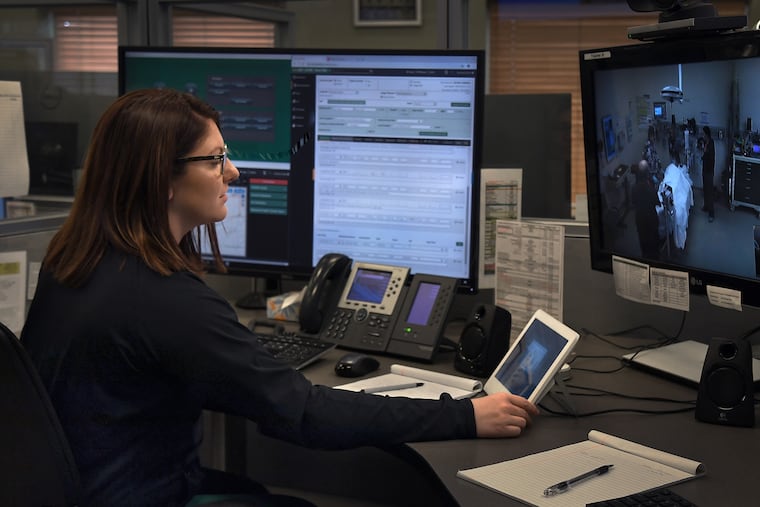
My phone rings and as the neurosurgery resident on call, I’m on the front line. I’m the first physician to be notified of any emergencies, and unfortunately one of my patients is decompensating. I race over to the ICU. My patient is in critical condition after a traumatic brain injury. There is a flurry of activity in the room superimposed on a backdrop of flashing lights and a cacophony of buzzing machines. The patient’s blood pressure is high and their heart rate is low, findings seen during periods of considerably elevated brain pressure. The monitoring device that we had surgically placed through a hole in the patient’s skull confirms that the pressure is dangerously high. As I begin devising a plan of action, I hear a voice boom from above, “I think you can give more hypertonic saline. The sodium level isn’t prohibitively high.”
The voice is both commanding and reassuring, like a pilot making an announcement over the intercom. I turn around to find one of our critical care doctors on the large screen in the room. Giving the patient hypertonic saline, a fluid with a high salt concentration, would be life-saving. I initiate the treatment and as the fluid infuses into the patient’s veins, their brain pressure decreases to a normal level.
Though not physically present, the critical care doctor could help guide the patient’s care remotely through our telemedicine system (eICU). This encounter, along with numerous others, flooded my memory as I read an email on logging into my new eICU account.
The COVID-19 pandemic has placed an incredible strain on the medical system worldwide. Due to an expected surge of patients here in Philadelphia, I was granted use of the eICU system as a care provider to better help both patients with the virus and others we continue to treat in the ICU, like my brain injury patient.
» HELP US REPORT: Are you a health care worker, medical provider, government worker, patient, frontline worker or other expert? We want to hear from you.
The system’s most obvious use is permitting physicians who are unable to physically come to the hospital – perhaps because they are under quarantine – to remotely care for patients. This telemedicine system is also a boon for physicians physically present at the hospital. There is a severe shortage of personal protective equipment (PPE) such as gowns and masks, so the eICU system could be used to care for patients without entering the room, reducing the amount of PPE used. Furthermore, the computer system monitors vital signs and alerts physicians if a patient’s condition deteriorates. The eICU system and other telemedicine systems are also enabling critical care and emergency department doctors to remotely consult doctors in other specialties, providing the best multidisciplinary care.
Outside of the hospital, physicians are using telemedicine solutions like standard video chat applications to care for patients. Thankfully, federal Health Insurance Portability and Accountability Act (HIPAA) regulations are being relaxed during this pandemic, as the majority of doctors do not have access to costly HIPAA-compliant solutions. These widely-available video chat solutions are also enabling doctors to screen patients with symptoms of COVID-19 remotely. Through telehealth, physicians can then direct a subset of patients to self-quarantine or receive drive-through testing, which may alleviate emergency room and hospital burden. While employing technological advances such as telemedicine will aid in the care of patients during this difficult time, proper hand hygiene and social distancing remain of paramount importance to mitigate this pandemic.
Frederick Hitti, MD, PhD, is a senior neurosurgery resident in the Perelman School of Medicine at the University of Pennsylvania. The opinions expressed in this article do not represent those of the University of Pennsylvania Health System or the Perelman School of Medicine.