Is nutrition the key to ADHD? | Expert Opinion
From diets eliminating certain foods to those that add foods thought to offer special health benefits, the main question to ask should be: Is there harm in trying it?
Years ago, I took my kindergartener with attention-deficit/hyperactivity disorder (ADHD) to a pediatric specialist for advice. She suggested we try the Feingold diet, an elimination diet that requires avoiding artificial dyes, sweeteners, and salicylates, naturally occurring substances found in many fruits and vegetables. With an already picky eater, I worried about how much I would need to eliminate and found the list included foods such as apples, berries, cucumbers, and tomatoes.
I wondered, was diet the best way to manage ADHD?
As a pediatrician, I often get this question from parents as they look for alternatives to stimulant medications for ADHD. The Feingold diet our pediatrician mentioned has been around since 1973. If it were a miracle cure, the parents of 7 million children with ADHD would have popularized it. However, the research on this diet is mixed, with the benefits being modest and not universal for all children with ADHD.
Whenever confronting medical myths or treatments with limited, but potential benefits, I ask myself: is there harm in trying it?
Elimination diets can cause some harm, especially if a child already has a limited palate, and further cuts may not meet their nutritional needs. In addition, as any parent of a child with food allergies knows, a restrictive diet requires strict adherence, meaning holidays, birthday parties, and traveling become extra challenging.
Top federal health officials have presented a plan to phase out petroleum-based synthetic dyes from the food supply by 2028. Artificial dyes, especially Red No. 40, have been highlighted as triggers of hyperactivity, yet research indicates that only 8% of children with ADHD are sensitive to artificial dyes. Given that so few children are in this group, rather than focusing on elimination, a better approach may be emphasizing a healthy diet overall.
Lately, rather than elimination diets, social media has popularized adding foods like saffron to the diet to manage hyperactivity symptoms. The research on saffron seems promising, with a similar effect on hyperactivity to methylphenidate, a popular stimulant medication for managing ADHD. However, the studies that exist are small and short- term, and the dosing needed is much more than would typically be used in cooking. Saffron is not regulated like medications are, so purity can’t be certain. This makes it hard to recommend saffron as a standard treatment at this time.
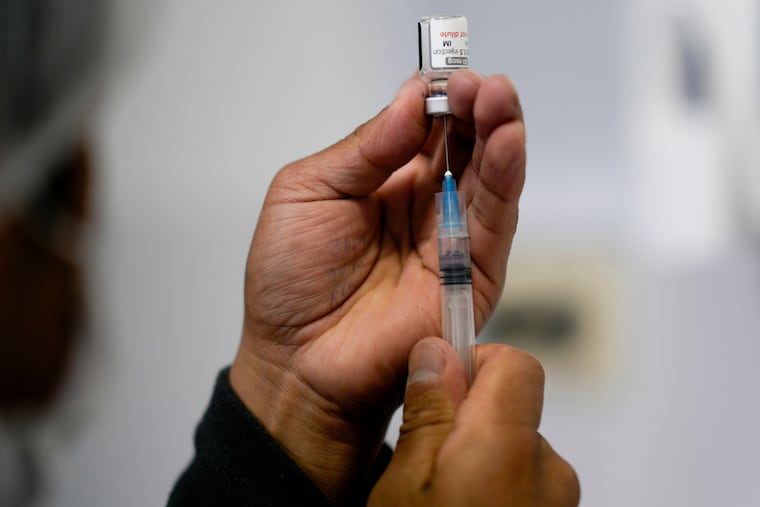
Social media, which we scrutinize for accuracy on the Pediatric Health Chat website, seems to prefer addressing ADHD through diet rather than medication. This sends the message that medications are bad or to be avoided. Yet we know stimulants have been used for ADHD for over 85 years and are well tolerated by most children with a success rate of 70-90%. This success is measured through improvements in academic performance and lower risk of injuries. I have seen the use of stimulant medications provide life-changing benefits for some of my patients and their families.
So, for my family, the Feingold diet’s cons outweighed the potential benefits, but to others it may not. We try to avoid artificial dyes and sweeteners, but also emphasize exercise, sleep hygiene, and screen time limits.
ADHD management is more than nutrition or medication management, but includes important interventions like behavior training for parents, school-based supports, organizational skills training, and helping children learn to regulate their emotions. There’s no one-size-fits-all approach. A child’s treatment may evolve over time, as they develop and their ADHD symptoms change. Children with ADHD are much more varied than social media portrays, and families deserve the facts and freedom to make decisions that fit their child.
Katie Lockwood MD, MEd is a primary care pediatrician at Children’s Hospital of Philadelphia. She and CHOP neonatologist Joanna Parga-Belinkie, MD, are co-founders of Pediatric Health Chat, (chop.edu/pediatric-health-chat), an online initiative providing resources for families looking for good information on the latest myths and misconceptions about children’s health.