I was an AI scribe-skeptical doctor. And then I actually tried it.
I am actually a little late to the AI game. You may have already noticed that some of your own doctors are using this technology during office visits.
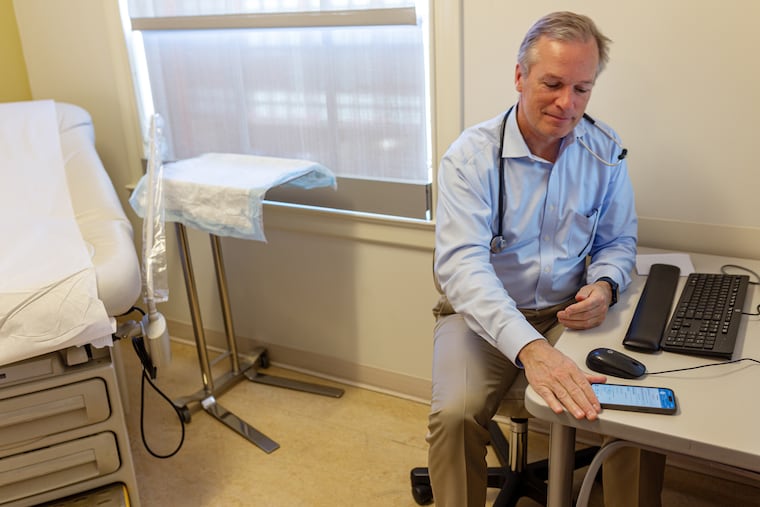
It was magical. I clicked the record button on my cell phone, placed it on the exam room desk, turned away from the computer, and began a conversation with my patient. After we completed the visit, I went back to my office and opened her electronic record — and found a clear, concise narrative description of our encounter, complete with my physical exam findings and a numbered problem list, plus assessments and follow up plans.
I did not write these medical notes — an artificial intelligence scribe called DAX (Dragon Ambient eXperience) Copilot did. And it was nearly perfect.
AI scribes are new, but not brand new. I am actually a little late to the game. You may have already noticed that some of your own doctors are using this technology during office visits. DAX was developed by an AI and speech recognition company called Nuance that was acquired by Microsoft in 2022. First, clinical conversations are recorded using a cell phone mobile app. AI then processes the recording and generates a progress note, minimizing computer distraction and allowing clinicians to focus more attention on our patients.
In the last couple of years, I have read everything I can find about AI, a new frontier that will be a growing presence in clinical medicine. Until now, I’ve also done a great job convincing myself not to use an AI scribe — one of the most accessible current AI tools.
By typing brief notes with lots of abbreviations, I worked hard to make sure chart documentation was not interfering with my ability to develop rapport and engage with patients. I also thought any time saved with DAX would be erased by time that I would have to spend reviewing and editing the AI generated notes. Not so. The AI notes are concise and amazingly accurate. They are a truer representation of what actually occurred during the visit. My truncated notes, or those written or dictated hours after the visit, often missed essential information, patient perspective, or did not capture the nuanced rationale for my medical decisions.
The scribe notes are not word-for-word transcriptions. This AI has been trained using millions of hours of real-world clinical encounters and medical dictation. The program then takes recorded conversations and converts them into clinical notes, based on what it has learned about how these notes are structured.
Patients and clinicians have raised some concerns: Where does this data go? Are there privacy concerns? In fact, the data is sent securely from the clinician’s cell phone app to a Nuance company server for processing. Once a note is created, sent to, and stored permanently in the patient’s electronic health record, the data is deleted from the mobile app and servers to comply with privacy standards. Of course, your clinician should always obtain your consent before using DAX or other comparable tools.
AI scribes are a game changer — in my view, an all-around win. They free clinicians to engage more with patients in the exam room, capture a real-time, accurate synopsis of the visit, and create something cogent and readable. They help your doctor, while better honoring your medical story.
DAX was an opportunity that stood in front of me for some time before I recognized it as such. Like University of Pennsylvania Wharton School professor Adam Grant writes in his insightful book, Think Again, “anchor your sense of self in flexibility rather than consistency.” How ironic that an AI tool — algorithmic and predictable — taught me a lesson in changing my ways.
Jeffrey Millstein is an internist and regional medical director for Penn Primary and Specialty Care.