A baby with fussiness, constipation, and poor feeding | Medical Mystery
A normal newborn screening ruled out many different causes, and the health of the 1-month-old prior to the event made it unlikely that it was genetic.
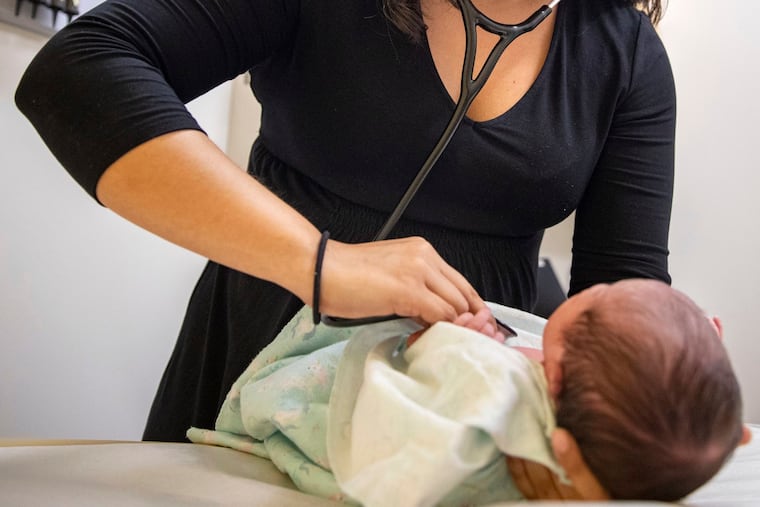
A 4-week-old baby girl came into the emergency room because she’d been fussy for a full day, and wouldn’t drink from her bottle. On further questioning, the parents said that she had not pooped for 3 days, had been drooling more, had a weaker cry, and seemed very floppy.
In the ER, she was very weak with low muscle tone, droopy eyelids, and a significant amount of drool. The ER physicians could not elicit her normal newborn reflexes. Due to her severe weakness and concern for her ability to keep breathing on her own, the decision was made to insert a breathing tube into her airway to help her breathe.
Low muscle tone and weakness in a newborn baby can have many different causes. Some of these causes include infection, low blood sugar, thyroid problems, neuromuscular diseases, brain bleeds, drug exposure, and genetic or metabolic disorders.
All babies are screened 48 hours after birth for a variety of genetic and metabolic conditions. This baby had a normal newborn screen, so metabolic disorders were unlikely, though. The ER also collected thyroid studies which were normal. This baby had been healthy with normal muscle tone prior to this event, probably eliminating other genetic disorders such as trisomy 21.
Infections, such as sepsis (blood infection), meningitis (brain infection), pneumonia (lung infection), and urinary tract infections can also present with low muscle tone in newborns. In this patient a lumbar puncture, or spinal tap, proved negative for meningitis. Urine and blood cultures were negative for infection. A chest X-ray did not show pneumonia, and a nasal swab was negative for any respiratory viruses.
Drug ingestions or exposures can also present with altered mental status or low muscle tone, but neither turned up in a urine drug screen.
Problems within the brain, such as a tumor or bleed, can also cause low muscle tone. But a head CT scan on our patient was normal.
Finally, low muscle tone can be a feature of some disorders of the neuromuscular system, which is the pathway between the brain and muscles that make muscles work properly. Some examples of these disorders are spinal muscular atrophy, myasthenia gravis, Guillan-Barre syndrome, or infant botulism.
The solution
Given this patient’s age and symptoms, and after eliminating other possibilities, a test for botulism in the baby’s stool was performed. While awaiting the results, this outcome appeared so likely that the baby was treated for presumed botulism.
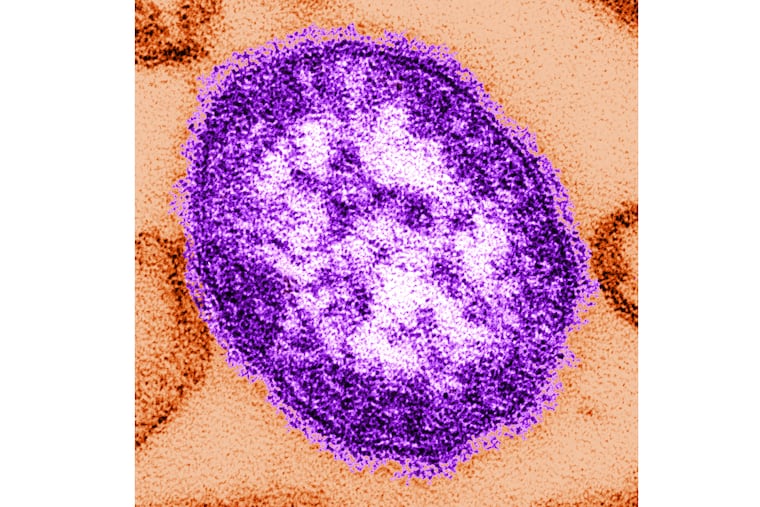
Botulism is caused by the bacteria Clostridium botulinum, which causes a neuromuscular paralysis that starts with symptoms at the head and descends to the toes. It can occur when infants ingest spores of these bacteria, which sometimes appear in dirt and honey, among other sources. It predominantly affects babies younger than 12 months. Because of the immaturity of a baby’s gut microbiome, the spores can stay in their intestines longer than they would in an older child or adult, and release the botulism toxin.
Pennsylvania has one of the highest rates in the country of these spores, accounting for 17% of all cases in the United States in 2018. It is most commonly reported in infants who live near construction zones. This infant’s father was a construction worker and had a project going on in their backyard.
Fortunately, a treatment exists. It is called botulism immunoglobulin, otherwise known as BabyBig. This treatment provides antibodies to the bacteria, which bind to and neutralize the toxin. Even with this therapy, recovery is a slow process that can take several months. However, patients who are hospitalized and treated quickly should expect a full recovery.
This patient is doing well, and no longer needed the breathing tube after receiving BabyBig. She still has some trouble with feeding and required a feeding tube for some time.
Her treatment was started immediately because test results take so long, and the treatment would not have harmed her if she hadn’t tested positive. In her case, we got the results after she went home from the hospital and it confirmed the botulinum toxin.
Our advice
Do not give honey to any baby under the age of 12 months. If a family member works in construction, especially in high-risk states, make sure to bathe and change into clean clothes before touching a young baby..
BriarRose Edwins is a second-year pediatric resident and Hayley Goldner is a pediatrician in the adolescent medicine department at Nemours Children’s Hospital, Delaware.