The ups and downs of daycare germs | Expert opinion
Coughs and runny noses can seem constant in daycare settings. Here’s why that happens, and when to worry about it.
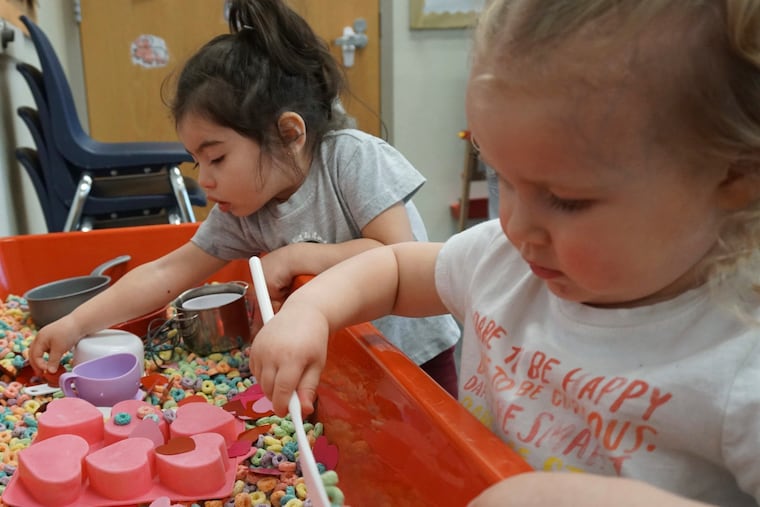
Many parents and guardians find that as soon as their child starts daycare, they seem to be sick constantly. Whether that is a runny nose, sore throat, or lingering cough, there always seems to be something. They may be sent home from daycare due to fussiness or fever, and just when it seems they have turned the corner, they develop a new cough and the cycle continues. It can seem like there might be something wrong with the child’s immune system.
The truth is, frequent illness in daycare is something to be expected – and may actually help a child build immunity. Children in daycare may experience eight to 12 illnesses per year. After all, kids who share toys and surfaces share viruses, too.
Runny noses that do not fully go away, lingering cough, or temporary appetite changes are to be expected in a child with a viral illness.
A runny nose is the way the body flushes out germs. Even after the infection improves, the lining of the nose may still be irritated, which is why you may still see this symptom after your child seems better.
Additionally, the airways remain sensitive after an illness, and that means coughs can linger for several weeks after a cold. When the body is fighting a virus, that focus can suppress appetite, though that should improve within three to five days of the onset of illness.
How daycare can build your child’s immune system
Exposure to common viruses helps the immune system learn and grow stronger over time. Early childhood illnesses can:
Help build protection against future infections;
Lead to fewer missed days of school later in childhood;
Support the development of a stronger immune system.
When should you check in with your doctor?
Usually normal: frequent colds, mild lingering coughs, reduced appetite during illness, short periods of fatigue;
Check in with your pediatrician if: your child is not growing well, infections are unusually severe, and symptoms linger for more than 4 weeks without any signs of improvement or change.
What is “supportive care”?
Often, the pediatrician will let you know that we treat these viral infections with supportive care, which simply means helping the body recover while the illness runs its course.
Supportive care includes:
Hydration: fluids help to prevent dehydration and keep the mucus thin, so it is easier for the body to clear;
Rest: Sleep supports the immune system as it fights the infection;
Hand hygiene: Washing hands helps prevent the spread of viruses to others.
The bottom line:
Frequent illness in children who use daycare can feel overwhelming, but it is a normal part of early childhood. Over time, children exposed to common viruses build stronger immunity and experience fewer infections than those who don’t encounter typical childhood ailments.
If you have any concerns, stay connected to your child’s pediatrician, as they can provide reassurance and guidance. Staying up to date with vaccines, including the flu shot, may not mean your child never gets sick, but vaccines are proven to reduce the severity of illnesses and prevent hospitalizations.
Renee Bruce is a second year pediatric resident and Hayley Goldner is a pediatrician in the adolescent medicine department at Nemours Children’s Hospital, Delaware.