How medical misinformation is changing the exam room | Expert Opinion
It starts with an article read online, a TikTok video about side effects, a social media thread questioning whether doctors overprescribe. Over time, this information reshapes how patients weigh risk.

A glance at the clock told me that I had only five more minutes to finish examining my patient in his early 60s.
During my family medicine rotation at a primary care clinic affiliated with Cooper Medical School of Rowan University, where I am training to become a physician, we are usually allotted 20 minutes for a standard patient checkup. In that time, I have to cover a patient’s medical history, review their medications, conduct a physical exam, and discuss test results.
I had little time for conversation about my patient’s bloodwork, where a few numbers popped up as concerning. His total cholesterol and LDL (harmful cholesterol) had climbed sharply since his last visit. I entered the values into a cardiovascular risk calculator, a routine step in deciding whether to start medication. My patient also smoked and had a family history of heart disease.
The calculation assessed his 10-year risk of heart attack or stroke as near 20%. That’s well above the 7.5% risk threshold where we typically recommend starting treatment.
I explained the results and encouraged my patient to consider starting a statin to lower his cholesterol.
He shook his head. “I Googled it. I wasn’t too pleased with the side effects. What good is preventing heart disease if I get muscle breakdown? There are doctors online saying they’re overprescribed,” he told me.
I walked him through the evidence. Yes, muscle pain can happen, and in rare cases, more serious muscle injury. I urged him to look past fears of rare side effects, but he wasn’t convinced. “It sounds like the medication lowers the risk of some things and raises the risk of others,” he said.
Conversations like this reveal how medical misinformation enters routine care decisions. It starts with an article read online, a TikTok video about side effects, a social media thread questioning whether doctors overprescribe. Over time, this incomplete information reshapes how patients weigh risk. Like my patient, some end up fearing rare complications more than than the threat posed by common diseases.
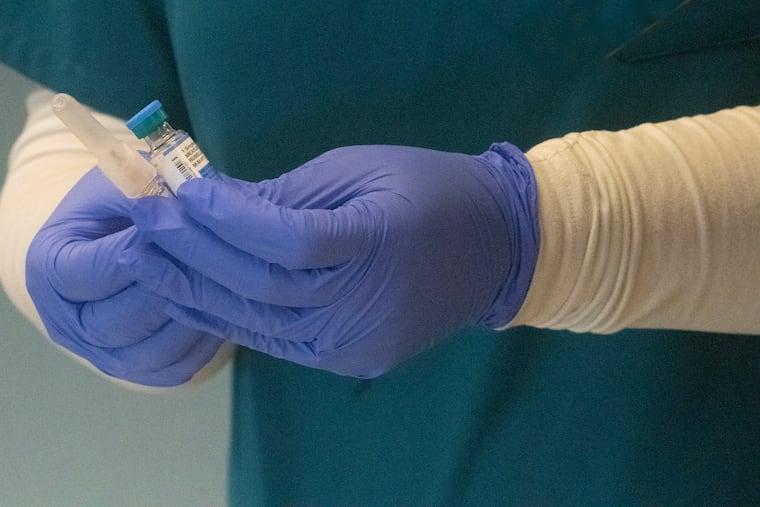
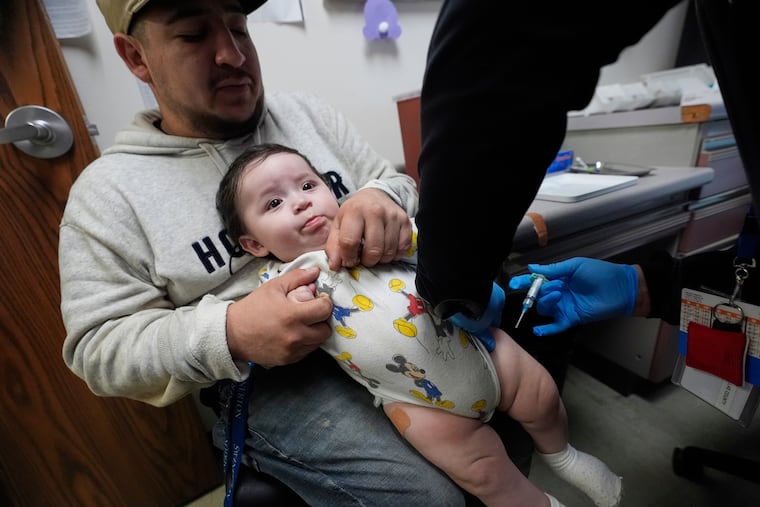
The consequences extend to issues like vaccine hesitancy. Unsubstantiated fears of side effects and debunked links to autism have led many parents to forgo routine immunizations. We are already seeing the results in rising outbreaks of preventable diseases like measles.
In medical school, I have seen that doctors rarely can promise certainty. My profession pieces together evidence and offers guidance based on what is most likely to happen, not what is guaranteed. We talk in terms of risk and percentages.
That nuance can feel unsatisfying, especially when someone else — a friend, family member, influencer — is making bold, confident claims about hidden harms. In high-stakes situations, it’s easy to mistake that confidence for competence.
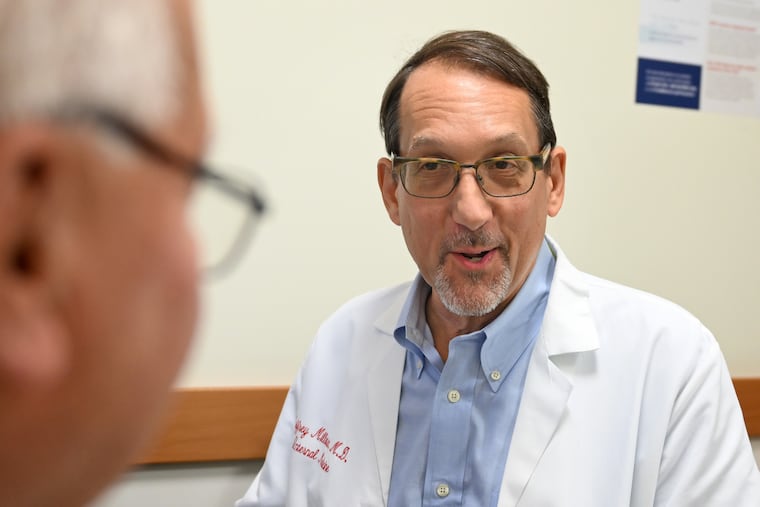
To earn this patient’s trust, I needed a different playbook. As my allotted minutes for his visit ran out, I stepped out of the exam room to briefly to discuss his case with my attending physician. We re-entered the room together, and the experienced doctor showed me a different approach.
He didn’t start talking about statistics. Instead, he listened carefully and acknowledged the patient’s concerns. Yes, muscle symptoms can happen. No medication is completely without risk.
Then he reframed the conversation. What would a heart attack mean for your life? What is most important to you?
The tone in the room shifted. The discussion stopped being about whether the internet was right or wrong and became about values and tradeoffs. Neither of us was trying to “win” the argument. We wanted to show our interest in the patient.
Misinformation is best addressed with transparency and a willingness to acknowledge uncertainty and meet patients where they are. These conversations take time, but are necessary.
Misinformation doesn’t disappear if we ignore it, overwhelm it with data, or lean on whatever authority we think comes with a white coat. It goes away when patients feel heard, when risks and benefits are explained plainly, and when trust is built one conversation at a time.
Ian Millstein is a rising fourth-year medical student at Cooper Medical School of Rowan University, currently pursuing an MPH in Health Management at the Harvard T.H. Chan School of Public Health.