What pediatricians do to stay healthy, despite daily exposure to colds and viruses | Expert Opinion
Doctors don't buy into the myths around fighting germs; they stick with the science and traditional healthy lifestyle practices.
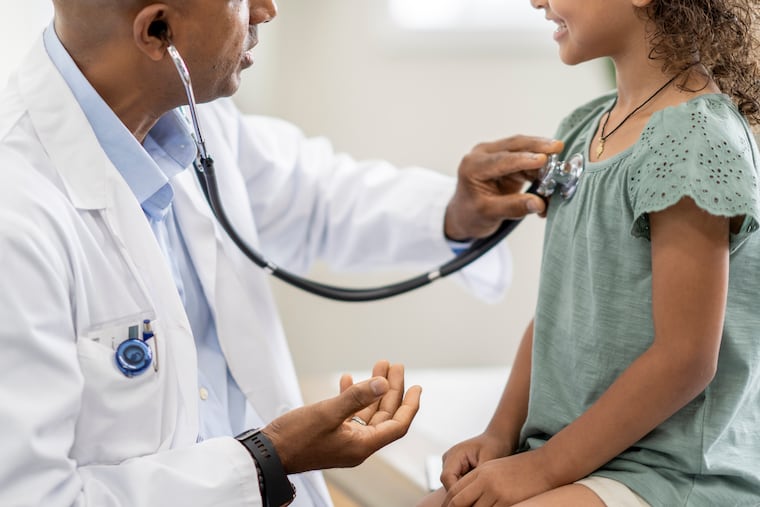
One afternoon in clinic, Michael was examining a cheerful 2-year-old with a runny nose. As he leaned in with his stethoscope to listen to the child’s lungs, the child looked up, smiled, and with perfect timing, sneezed directly into Michael’s face.
His mother gasped. Michael blinked, grabbed a tissue, and they laughed it off. Katie could tell almost the same story because moments like these are a regular part of a pediatrician’s job. Pediatricians spend their days surrounded by drool and mucus.
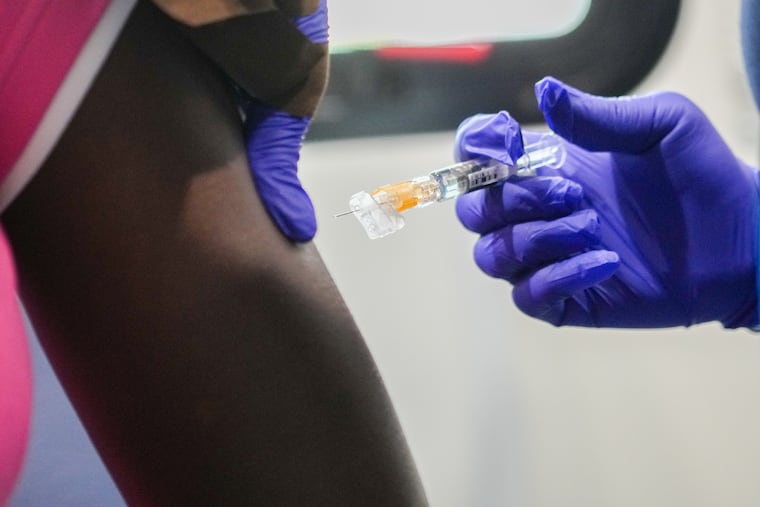
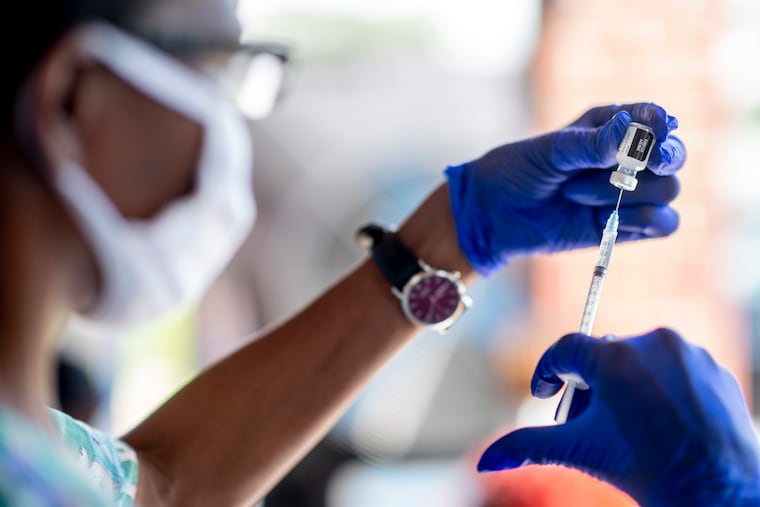
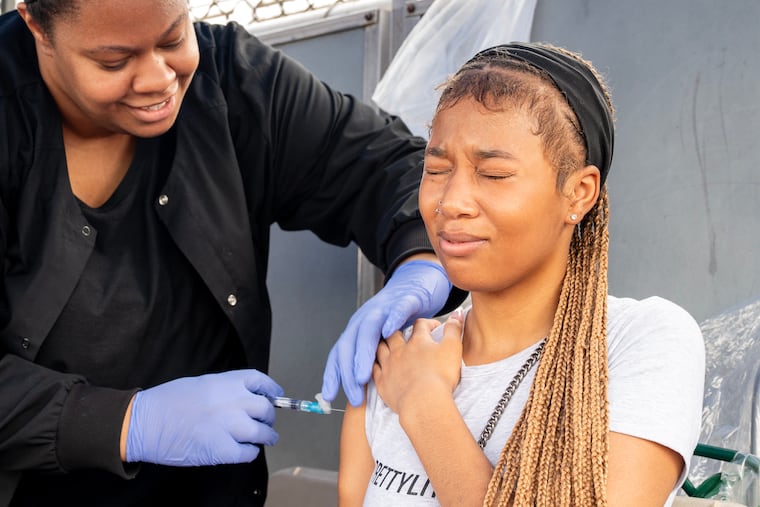
You may wonder how pediatricians stay healthy, despite constant exposure to germs. As doctors, we don’t buy into the many myths circulating online about things that boost the immune system, from costly supplements to detox teas. We know the most reliable way to build protection is through vaccination, which trains the immune system to respond to viruses without the danger of getting sick. Healthy lifestyle habits — including adequate sleep, managing stress, and a balanced diet — can help, too.
Doctors get exposed to millions of germs each day. Researchers analyzed blood samples from a small group of highly exposed pediatric clinicians and identified rare antibodies that neutralized both RSV and human metapneumovirus, viruses that cause cold-like symptoms. For these illnesses that are most common in childhood, the immune system remembers the infection after exposure. That memory fades over time, however, so a pediatricians’ repeated exposures may help boost the immune system.
Boosting the immune system through repeated exposures can work, but you risk getting sick more often. And some viruses, like influenza, change yearly, so repeated exposures do not help create protection against the latest version circulating.
This is why pediatricians support vaccination as the best way to train the immune system without the risk of sickening people. For example, healthcare personnel overall get the annual flu vaccine at a rate of approximately 1.5-times higher than the general public, according to the CDC.
Getting vaccinated is one of many prevention measures practiced by pediatricians. We also sanitize high-touch surfaces, such as shared equipment and exam tables, wear masks around sick patients, wash our hands often, and maintain healthy habits like eating well, exercising, and prioritizing sleep. These practices help minimize exposures and bolster our immune systems.
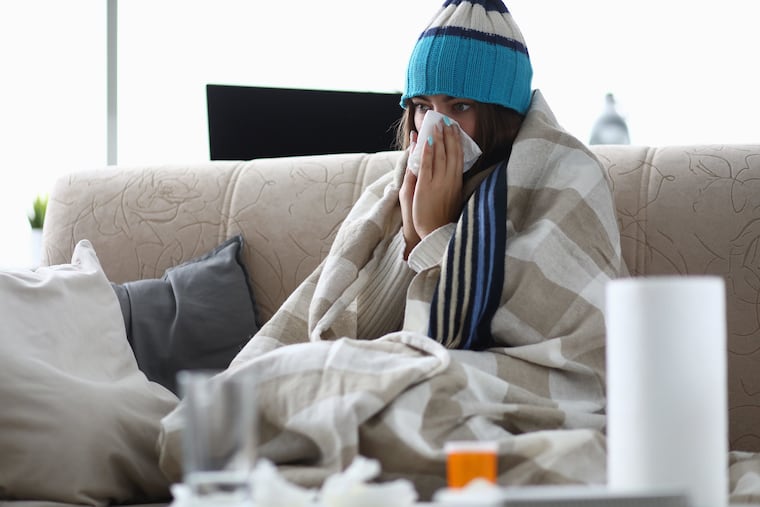
Does that mean pediatricians have superhuman immune systems? Not exactly. Just last week, we both came down with a virus that left us planted on the couch with a mountain of tissues on the coffee table.
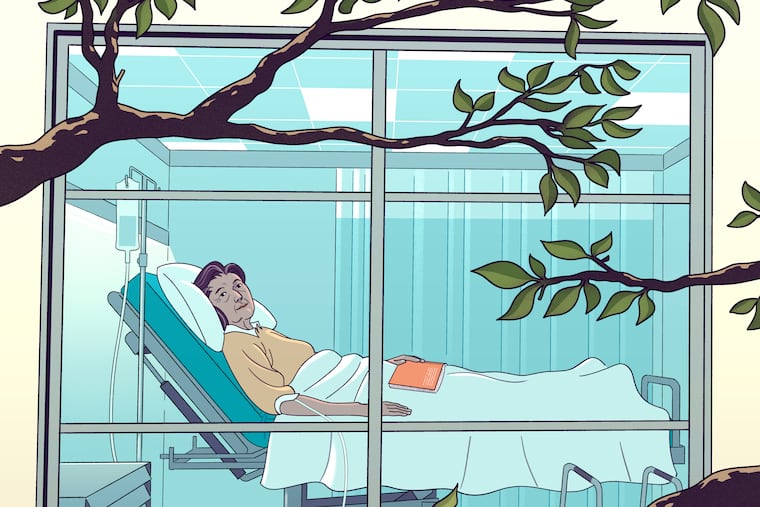
When pediatricians get sick, most of us stay home from work. We do this so our bodies and minds can recover, and also to protect our patients. Staying home may create the impression that we never get sick at all.
In reality, we know that even the strongest immune systems cannot block every infection. Viruses evolve, new strains emerge, and sometimes our bodies need time to fight back. That’s why we use — and recommend — tools that minimize the chances we do get sick: vaccines, handwashing, sanitizing surfaces, and staying home when we are ill so as not to spread germs.
Pediatricians are not immune to getting sick. We just follow the same advice we give to our patients every day, and that advice works.
Michael Vitti is a pediatrics resident at Children’s Hospital of Philadelphia; Katie Lockwood is a primary care pediatrician at Children’s Hospital of Philadelphia and cofounder of Pediatric Health Chat, an online initiative providing resources for families looking for good information on the latest myths and misconceptions about children’s health.