What it means to be the ‘world’s greatest first assistant’ in the operating room | Expert Opinion
A great teacher is always several steps ahead of you, setting up your next move and anticipating your challenges.
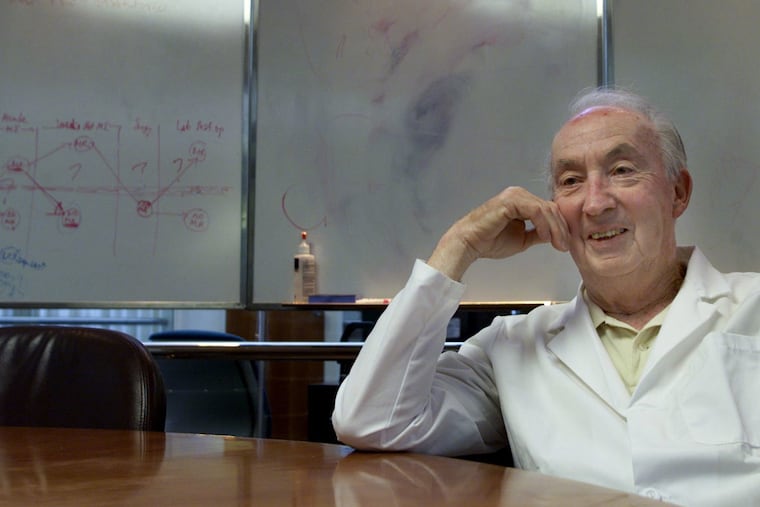
Norman E. Shumway, a surgeon who performed the first successful heart transplant in the United States, was referred to by his colleagues as the “world’s greatest first assistant.”
It was not meant to be a criticism. Quite the contrary, what his colleagues meant is that he prioritized helping other surgeons grow. He went out of his way to make surgery easier for his trainees, even if it made more work for himself.
Having been a trainee and teacher, now I understand what it means to have someone masterfully walk you through an operation.
A great teacher is always several steps ahead of you, setting up the next move and anticipating challenges.
One time, I was operating on a patient when the surgeon asked for another instrument.
“Why do we need to use that during this part of the operation?” I asked.
“We don’t, but this is what we’re going to need next,” he said.
When you’re standing across from a veteran surgeon, you can be fooled into thinking that operating is much smoother and easier than it actually is. That person guides the needle and reassures the team that the operation will go well.
Of course, the reality is that it is far more difficult to be in the shoes of a veteran surgeon when you have to lead and teach.
I think the same logic is true when it comes to being compassionate in surgery. When someone is kind to you, it’s easy to be kind in return.
When I walk into the hospital and the staff greet me with a smile, it is as if someone is setting up the next suture — getting it right feels effortless.
When people around you are always compassionate toward you, you can be fooled into thinking that it is always this easy to be compassionate.
But what tests your true ability to be compassionate are the moments when you have to lead with grace.
Oftentimes in the hospital, given the nature of the work, some of our interactions can be tense, and curt. I have been on both the giving and the receiving ends of these stressful exchanges.
» READ MORE: Becoming a better surgeon involves knowing what to do after making a mistake
When you call another colleague in the middle of the night with an emergency, when you have to ask someone who’s having a bad day for more help — that’s when you learn the true challenge of being compassionate.
In these instances, you cannot just rely on other people to make it easier for you. Like a master surgeon, you have to demonstrate the behavior you want to see in others.
I think that’s what it means to be the “world’s greatest first assistant” — being compassionate while fully understanding that the other person may not always be keeping up in kind.
Whenever I used to encounter people who were neutral, disinterested, or unfriendly, I thought that meant it was OK for me to not try as hard. But now I think: These are the moments when it is even more important to be the one who brings compassion.
Jason Han is a cardiac surgery resident at a Philadelphia hospital and contributor to The Inquirer’s Health section.