Why don’t doctors just order tests for everything? | Expert Opinion
Two patients come in with similar requests after ChatGPT searches; both had relatives facing illnesses who might have had better outcomes if things were caught earlier. How a physician can proceed.
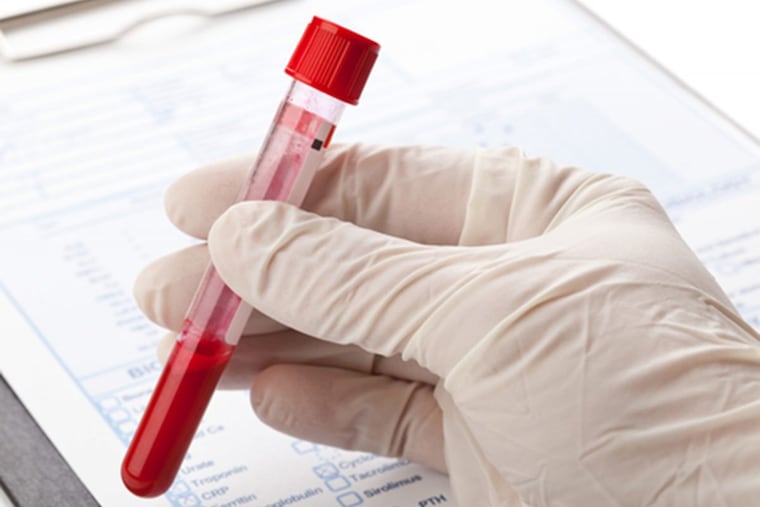
This past week, two patients came in with different versions of the same request. A healthy man in his late 40s brought in a printout of his exhaustive blood test panel and wanted my advice on how to interpret it. Many of the results (some slightly out of range) were obscure, like unusual mineral and vitamin levels.
The second patient, a mid-30s man who struggles with weight gain and has early warning signs of diabetes, asked me to test him “for everything.” When I asked him what he meant by everything, he explained that he did not have a specific medical concern:, “You know, everything — testosterone, all of the other hormones, cholesterol particles — just do it all,” he said.
Both of these patients had done ChatGPT research and were interested in preventing disease or, at the very least, catching it early. Neither patient had any symptoms of illness, but each shared a story about a friend or relative who had been diagnosed with a disease that, if caught earlier, may have led to far less suffering. As I talked about their concerns, I ended up exploring with both patients the important difference between screening and diagnostic testing, and why doctors do not look for everything.
Screening is a medical evaluation for patients without symptoms to identify possible health problems or risk factors early on, when disease is preventable or treatment can be most effective. An example is measurement of blood pressure and cholesterol; when one or both are elevated, diet and lifestyle modification, and sometimes medication, can reduce the risk of heart attack, stroke, and kidney disease. Mammography and colonoscopy screening are able to detect breast and colon cancers at early stages when they are most responsive to treatment or curable.
Diagnostic testing, on the other hand, helps to solve medical puzzles by analyzing blood, examining tissue samples, viewing X-rays or other exams — such as a stress test or endoscopy — to evaluate abnormal symptoms or better understand a physical issue. For instance, a doctor may order a blood count or thyroid blood tests to evaluate a patient with increased fatigue, or a stress test for someone with chest pain.
So how do doctors decide what to screen or test for?
Screening is recommended when there is high-quality scientific evidence that indicates finding a problem early will lengthen or improve the quality of your life. Your primary care doctor can review which screening tests are most appropriate for your age group.
Before ordering a diagnostic test, doctors often ask themselves — what will I do once I have the result? The patient interview, examination, and clinical thinking come first, and careful testing follows to prove or disprove a theory about what is wrong.
So what’s the matter with just being extra thorough? We have all heard stories of tests showing results that doctors were not exactly looking for that led to an important diagnosis. Why not cast a wide net and look for everything?
This kind of accidental good fortune is rare in medicine. More often, haphazard overtesting produces confusing results, as happened with my 40-something patient. This creates pressure on doctors to seek clarity by ordering even more tests, or to send the patient for consultations with specialists. Further, when diagnostic tests are ordered for patients without a strong likelihood of a disease, false positives — abnormal results when there is actually no disease present — can occur. Follow-up is needed, which may sometimes lead to unnecessary invasive procedures that can actually risk harming the patient. Financial cost and anxiety can soar along the way. Fortunately, my patient and I agreed that we didn’t need to chase the minor, obscure test irregularities in his blood work results.
My second, mid-30s patient wanted me to order excessive screening. We discussed which screening tests, supported by evidence, would be most helpful for preventive health. His AI-derived advice was very thorough but did not address practical matters like what his insurance would pay for, and the potential for a sweeping test panel to do more harm than good.
Testing or screening for everything sounds like a great idea but is fraught with risk. Avoiding this pitfall requires doctoring that is still hard to find online — a trusting relationship with an expert who puts your best interests at the top of the priority list.
Jeffrey Millstein is an internist and regional medical director for Penn Primary and Specialty Care.