Vaccine urgency: A sign of the times | Expert Opinion
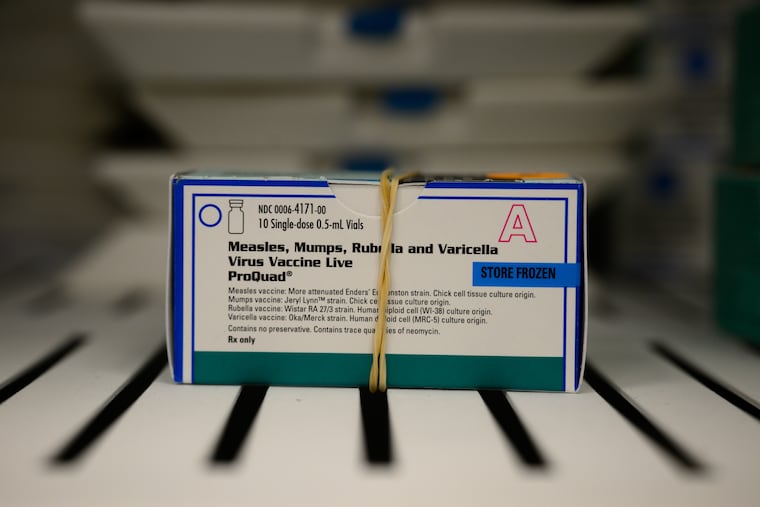
Vaccine hesitancy and changing rules regarding COVID-19 shots are creating a perfect storm at the physician's office.
As we approach the flu season, I am used to patients asking questions like: When will you have the flu shots in? What is the best time to get the flu shot? Should I get a COVID booster?
This year though, the question that I am hearing most often, usually asked quietly in a nervous tone is, Will the flu and COVID shots be available at all this season? I answer yes with confidence, but hope they do not follow with, What about next year? This is what the U.S. public health system’s disarray looks like in a primary care doctor’s office right now. Patients are receiving mixed messages about seasonal vaccination — one set of recommendations from their doctor’s office, another from the pharmacy (where in recent weeks they may or may not have needed a prescription and medical justification for COVID vaccination), and delayed COVID vaccine guideline from the Centers for Disease Control and Prevention’s Advisory Committee on Immunization Practices (ACIP). Then there is the rampant rumor mill fueled by a lack of national consensus and splintered public health leadership.
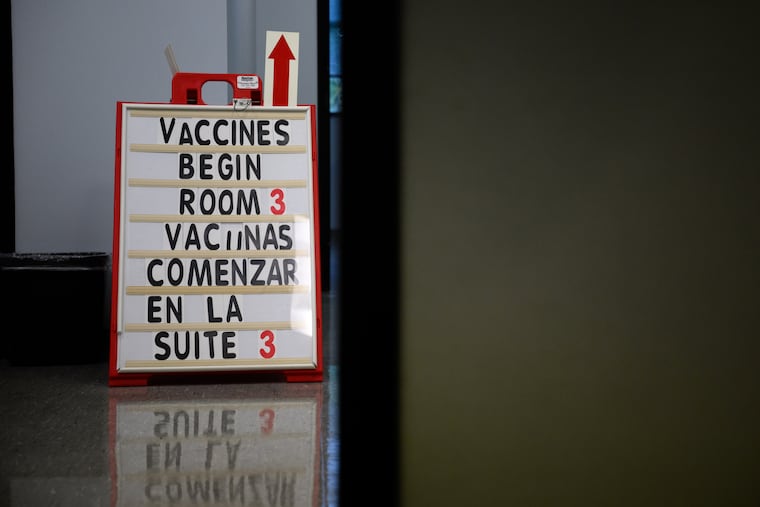
Vaccine hesitancy — reluctance or objection to vaccination — has been a concern for many years, magnified by the COVID-19 pandemic. Now there is also another growing group of patients who have what I have been calling vaccine urgency — a feverish haste to get vaccinated due to worry that the flu shot and other vaccines may become increasingly difficult to receive.
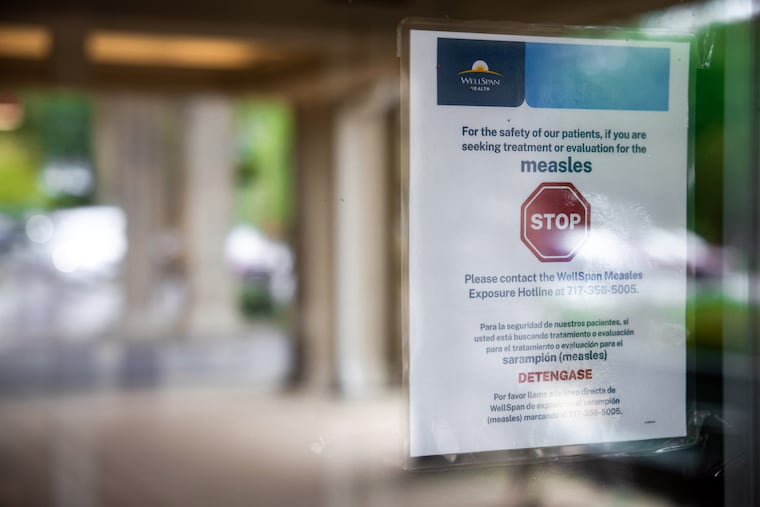
Many of my patients are now approaching vaccines with tenacity, like they are stockpiling staple items in preparation for an apocalyptic event. I am always happy to see a higher demand for vaccines, one of our safest and most effective preventive health interventions. But it is distressing to witness this level of interest caused by a lack of confidence that adequate protection will be available in the event of the next major infectious outbreak. What if measles spreads more widely? Will the next flu season be especially severe? What if another pandemic emerges from either a known or novel pathogen?
I wish the circumstances were different, but still see this as a unique opportunity to address and update patients’ recommended vaccinations. I hope you will not hesitate to bring this up with your own care team. When it comes to preventive medicine, most physicians and other care providers will applaud any increased motivation to adhere to evidence-based guidelines, even if it’s the equivalent of making lemonade from the lemons of these times when science is being questioned.
I think it’s critical for our public health agencies to restore public confidence. At the same time, I plan to make the most of a chance to build and reinforce trust in clinical medicine and its practitioners.
When confusion abounds and accurate health information becomes muddled with politics, your most immediate and powerful relationship is with your doctor and care team. Medical professionals are guided by a personal and professional pledge to act in our patients’ best interest and to behave in ways that reduce suffering, avoid harm, and respect personal values.
Our commitment to helping patients does not vacillate with the seasons, stock market performance, election cycle, or any other trend. It is just simply what we do.
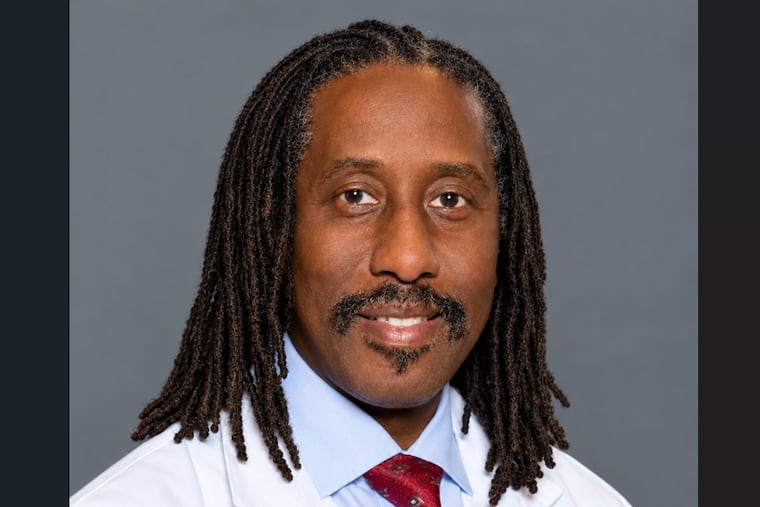
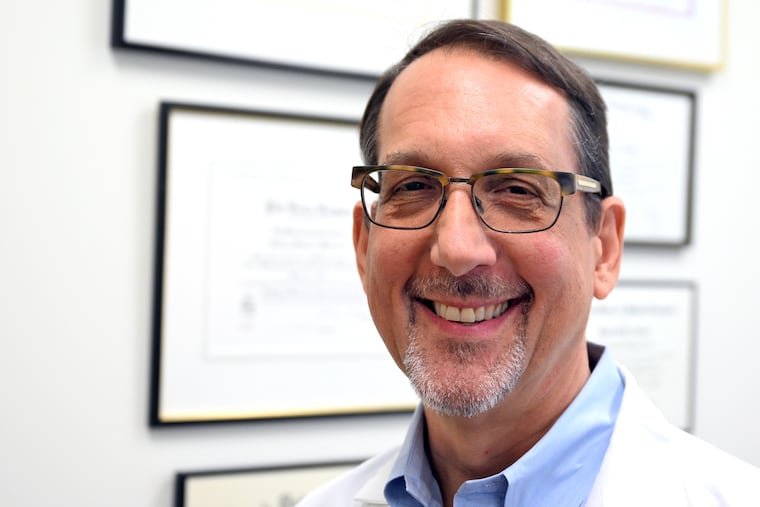
Jeffrey Millstein is an internist and regional medical director for Penn Primary Care.