A free pop-up clinic offering dental, vision, and medical services returns to Philadelphia
No ID or insurance is required at this weekend's mobile medical clinic, run by Remote Area Medical, in West Philadelphia.

A pop-up clinic that regularly draws overnight queues is bringing its free medical services to Philadelphia this weekend.
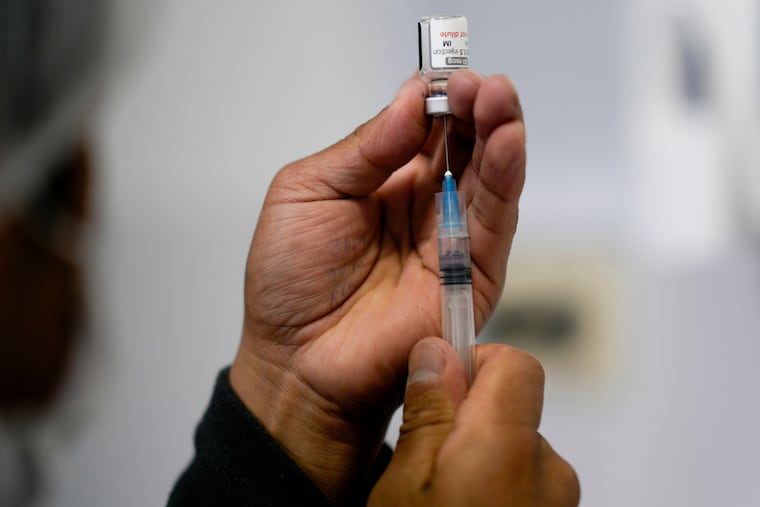
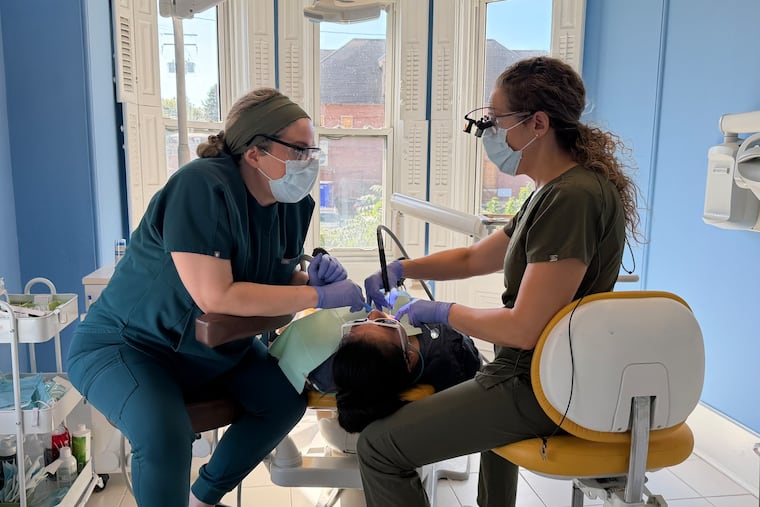
The mobile clinic, run by Tennessee-based nonprofit Remote Area Medical, has been traveling the country since 1985. It offers free dental, vision, and medical services, including women’s health and preventive screenings, along with eyeglasses made on the spot. To make services as accessible as possible, no ID or insurance is required.
This year will be the clinic’s third time in Philadelphia, thanks to a partnership with DentMed Inc., a local nonprofit dedicated to organizing free mobile clinics, and the Philadelphia Sheriff’s Office. The event is scheduled for Saturday and Sunday starting at 6 a.m. at 4021 Parkside Ave. in West Philadelphia.
Patients are seen on a first come, first served basis until capacity is reached. Usually, this number is in the hundreds.
“We will serve as many people as we can, as long as we have the providers,” said Sandra Hall, a clinic coordinator at Remote Area Medical.
The nonprofit has found that, in a country where millions are uninsured or underinsured, free healthcare can draw lines as long as highly anticipated launches of new consumer products. One in 14 Philadelphia residents lacks insurance.
The parking lot opens at midnight the night before so people can line up before doors open.
Remote Area Medical cared for 36,000 patients in 2024, and is set to see its millionth patient since it opened by the end of this year.
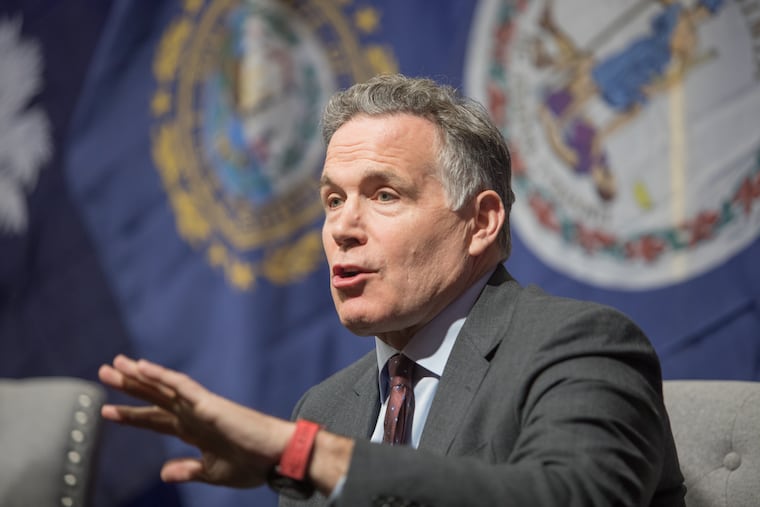
To learn more about the nonprofit’s work, The Inquirer spoke with Hall, who is coordinating the clinic in Philadelphia. The following conversation has been edited for length and clarity.
What are the most popular services requested?
Typically, the most common service requested is dental services. Many people, even if they have health insurance, may not have dental insurance. If they do, they may have a larger co-pay or deductible. It’s not uncommon to see people who, for instance, haven’t been to the dentist or an eye doctor in 10 years or more.
Vision services are also popular. Eyeglasses are expensive, and even if they have insurance, typically a pair of glasses is not fully covered. So when they come to a Remote Area Medical event, they can get free glasses on the spot.
Why do you not ask for ID or insurance?
We just don’t want to have any barriers to the care that we offer. So regardless of your situation, we will see anyone who comes. Our mission is to prevent pain and alleviate suffering, and we do that by providing free, quality dental, vision, and medical services throughout the country.
How has your organization changed since 1985?
We initially provided care in different ways, even internationally. We would parachute medical supplies into very remote areas, hence the name Remote Area Medical. Our operation has changed somewhat since COVID. We have definitely seen a need for healthcare throughout the country. It’s just growing, as people are either uninsured or underinsured. We are here to meet those needs.
How is demand for your services usually?
I was just at a clinic this past weekend, and we had someone arrive at 7 p.m. the day before the clinic started. That’s not unusual. We see that quite often at the clinics that we do, especially if they’re familiar with how we operate.
They know that it’s first come, first served, and they want to be first in line, so they come as early as they can. But once they enter the parking lot, they cannot leave or they forfeit their ticket. So they need to be prepared with food, medicine, water, whatever they may need for the overnight hours if they do come early.
If someone only arrived in the morning, would it still be possible for them to get a spot?
It’s entirely possible. It’s really difficult to say. Each city is different. All we ever promise is that we see people in the order that they arrive. So first come, first served, as long as we have capacity at the clinic.