3 ways GLP-1 drugs could be getting better
Pharmaceutical giants Pfizer, Roche, Boehringer Ingelheim, and Amgen are among competitors planning to bring improved drugs to the market.
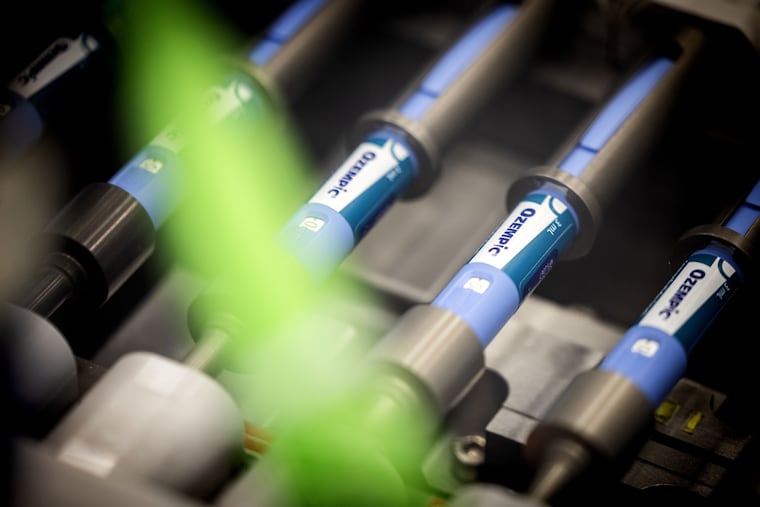
The enormous popularity of new weight-loss drugs often eclipses the downsides: the burden of weekly injections, rough gastrointestinal side effects, muscle and bone loss.
That is shaping a race among drug manufacturers vying to roll out better options.
Eli Lilly, which makes Zepbound and Mounjaro, and Novo Nordisk, which makes Ozempic and Wegovy, have the vast market for branded drugs to themselves and are steadily reaping billions of dollars. But pharmaceutical giants Pfizer, Roche, Boehringer Ingelheim, and Amgen are among competitors planning to bring improved drugs to the market.
Simply touting an eye-popping weight-loss number, such as Zepbound’s 21% body-weight reduction, won’t be enough, drug company executives and researchers said. It’s not just how much weight you lose but how you get there. Companies recently touted their progress on the next generation of drugs at the American Diabetes Association conference.
The goal is to make it more likely people will stay on the drugs and avoid an obesity rebound.
“Lowering the weight alone is the beginning. Quality of weight loss is important,” said James List, Pfizer’s chief internal medicine officer.
Reducing shots
Pfizer is testing a monthly injection GLP-1 drug to improve a patient’s experience by reducing the number of shots someone needs per year from the current 52 weekly (with existing drugs) to as few as 13 (which includes a ramp-up dose). That will eliminate a barrier for patients who find it unpleasant to regularly jab themselves in the abdomen, thigh, or arm.
Pfizer plans to test its GLP-1 drug in more than 20 trials during 2026, including combining it with amylin, a natural hormone, in a bid to boost its weight-loss effects and reduce side effects. Although it would be entering the marketplace late, the company sees plenty of room to develop weight-loss products that are distinct from the current crop.
“The differentiation has to be clinically meaningful, and it has to fill a gap, and we think there are tons of gaps right now,” List said.
Amgen is testing a GLP-1 drug in combination with a monoclonal antibody that it says could reduce injections to four to six times a year.
“Weight loss is incredibly important, but on top of that is living long-term with this disease and finding easy ways for patients to maintain their weight,” said Susan Sweeney, Amgen’s executive vice president for obesity.
GLP-1s have revolutionized obesity care in just a few years. First rolled out to treat diabetes, they mimic a natural gut hormone that makes a person feel full, reducing appetite. They also are showing benefits for cardiovascular health, inflammatory diseases, and even cancer.
Weight loss is incredibly important, but on top of that is living long-term with this disease and finding easy ways for patients to maintain their weight.
But getting people to stay on the drugs has been difficult. About 50% of people who start a GLP-1 stop taking it within a year, putting themselves at risk of regaining their weight. That relates in part to cost, because many insurers still don’t cover the drugs. But poor adherence also is associated with the inconvenience of shots, as well as serious side effects such as nausea, diarrhea, and constipation.
Novo Nordisk and Eli Lilly have already introduced daily tablets to make dosing easier.
Sidelining side effects
To reduce side effects, companies are tinkering with dosing strategies, starting with a smaller dose to reduce the impact of a sudden change to gut chemistry and then increasing it over time as a patient’s body adapts.
But an even better option for reducing side effects may be emerging in the form of amylin, another natural hormone that is produced in the pancreas.
Genentech, which is part of Roche, is among multiple companies ― including Eli Lilly and Novo Nordisk ― developing amylin weight-loss drugs as part of the effort to reduce gastrointestinal side effects. This year, Genentech expects to begin human trials testing it in a combination injection with its GLP-1.
The amylin does not slow down stomach-emptying like GLP-1, which in turn reduces nausea symptoms, said Manu Chakravarthy, a senior vice president at Roche-Genentech. Avoiding that stomach slowdown may ease other gastrointestinal side effects, as well, he said.
“It gives you a feeling of satiation ― satisfaction with your meal. It doesn’t give you an aversion to eating your meal,” he said. “It’s a subtle but very important difference.”
Eli Lilly and Novo Nordisk, working to protect their dominance, are both working on amylin drugs. Novo Nordisk applied in December for Food and Drug Administration approval of a GLP-1 drug that combines it with amylin.
Saving muscle
Protecting muscle while targeting fat more precisely is another key priority.
That will be especially important after Medicare, government health insurance for the elderly and disabled, starts covering the drugs in July. Loss of muscle naturally accelerates in people over 60.
Boehringer Ingelheim released phase 3 clinical trial results last week that showed patients on its experimental GLP-1 drug — which combines it with glucagon, a naturally occurring hormone that regulates blood sugar — lost an average of 16.6% of their body weight over the 72-week trial period.
Of the weight lost, 10.8% was lean mass, including muscle. That would indicate better preservation of lean mass than current offerings, which have been shown to cause losses in the range of 25 to 40%. The result indicated that “weight loss was primarily driven by reductions in fat mass,” the company said. At the highest dose, however, 20% of patients stopped taking the drug due to side effects.
Neerja Balachander, Boehringer Ingelheim’s vice president of U.S. clinical development, said a key finding was that 34% of the weight loss was “visceral” fat, which is in the abdomen and can damage organs. Additionally, liver fat was reduced to normal levels in 6 out of 10 patients who had metabolic fatty liver disease.
These are the types of findings that patients and doctors will need to sift through as the next wave of drugs is approved in coming years.
“We continue to believe this is going to be a big tent,” Balachander said.