Health tips for parents sending their children to college
As you are making that final check list, consider also scheduling a doctor’s appointment to prepare for a healthy semester.

In preparing a child to move out of the house and into a college dorm, parents tend to focus on packing up clothes, computers and toiletries. As you are making that final check list, consider also scheduling a doctor’s appointment to prepare for a healthy semester.
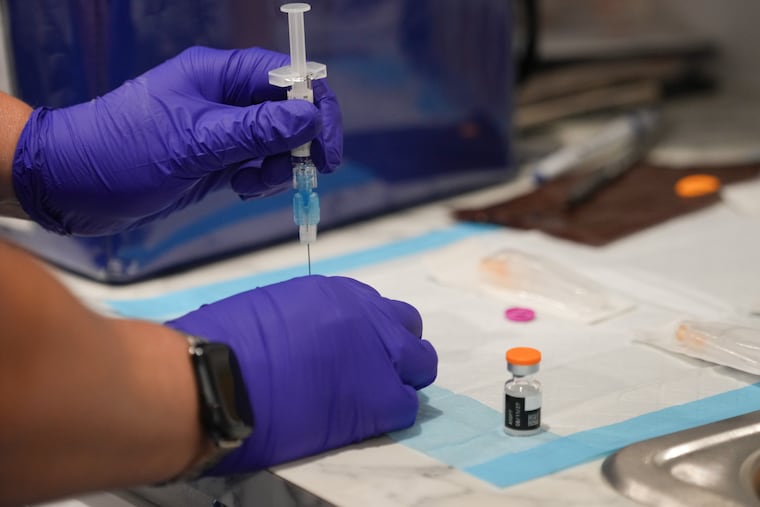
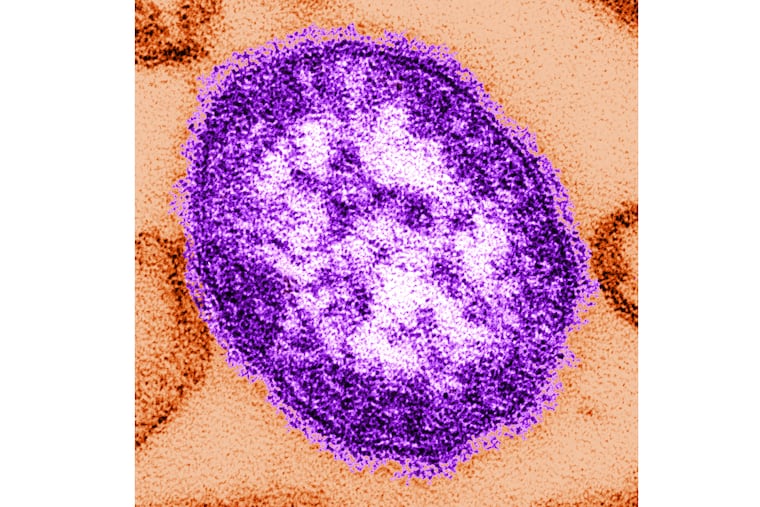
In consultation with their family medical provider, parents should review immunization records to make sure that their child is properly inoculated before sending them off to college. One shot that parents should consider is the Meningitis B vaccine. Meningitis is a potentially life-threatening inflammation of the membranes also known as meninges that surround the brain and spinal cord. This vaccine is especially important if their child plans to stay in a dorm in close proximity to other students. Without being inoculated it is possible for students in dorms to spread Meningitis B through coughing, sneezing and sharing utensils.
Also consider the HPV vaccine to protect against human papillomavirus, which can lead to certain cancers later in life. Those include cancers in the cervix in women; the penis in men; and the anus and throat in both sexes. The HPV vaccine has been shown to be especially effective for women in preventing cervical cancer. If your child has not received the HPV vaccine previously, it can still be useful if received by age 26.
Another issue for parents to consider regarding the health of their children is something known as the “freshman 15,” referring to weigh gain up to 15 pounds in a student’s first year of college. One reason for this could be a student cutting back on physical activities such as sports to focus on academic work. This decreased physical activity means less calories are burned. If their food consumption remains the same, the student will gain weight.
I always recommend to all my patients to remain physically active and start making it into a routine. For college students, that may mean joining intramural sports teams. These teams don’t require as many hours of practices as collegiate teams demand, but it keeps you motivated and engaged in physical activity. Joining a sports team also helps you build friendships, which can improve your mood. This is important because weight gain is also associated with mood changes when you are away from home.
Parents should also consider enrolling their child in an on-campus meal plan, because microwave dinners and fast food options are high in calories.
One last word of advice to parents sending kids off to college is to have an open discussion about sex. Good sexual health is also important. If a parent doesn’t feel comfortable talking about protection and contraceptive options, they should turn to their family medical provider to share that important information with their children.
Victoria Rose is a family medicine provider with AtlantiCare Physician Group, Primary Care Plus in Rio Grande, N.J.